White Rice VS Glass Noodles
A detailed nutritional comparison
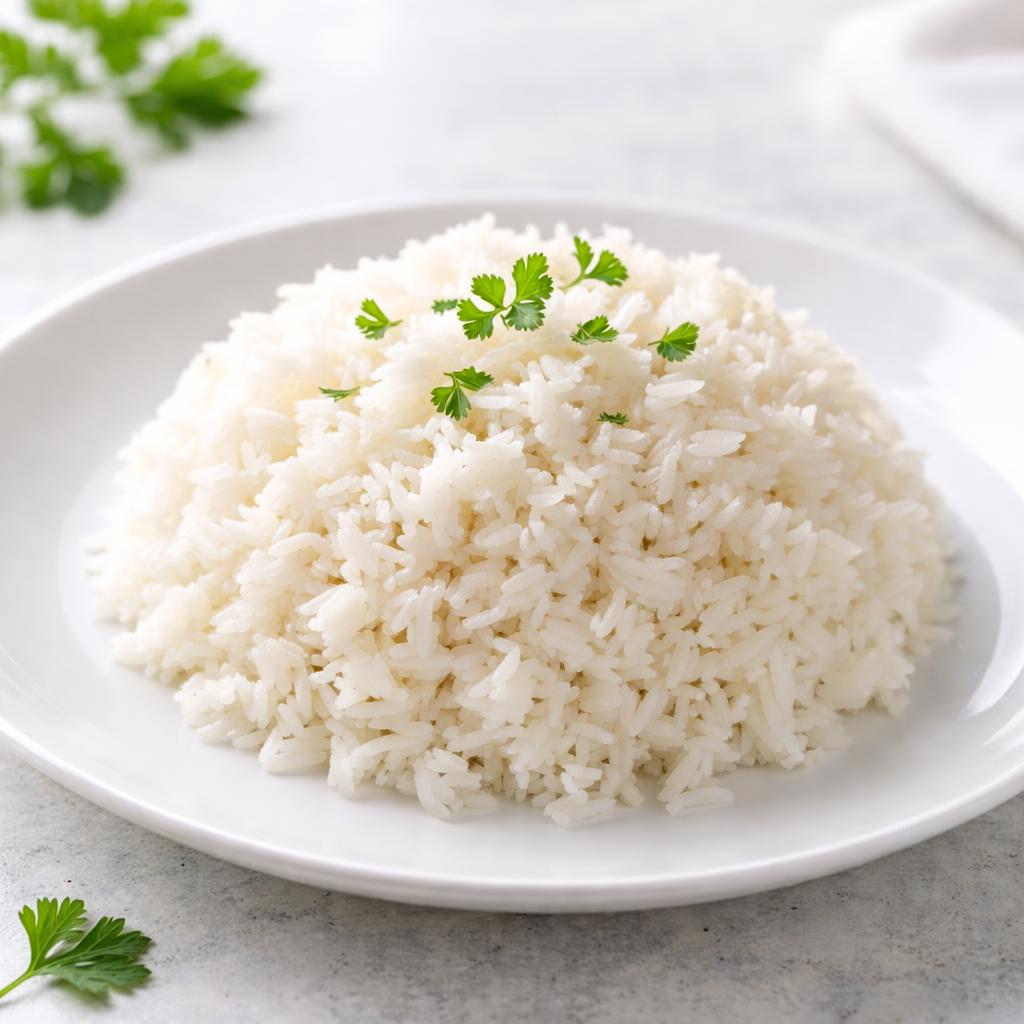
White Rice
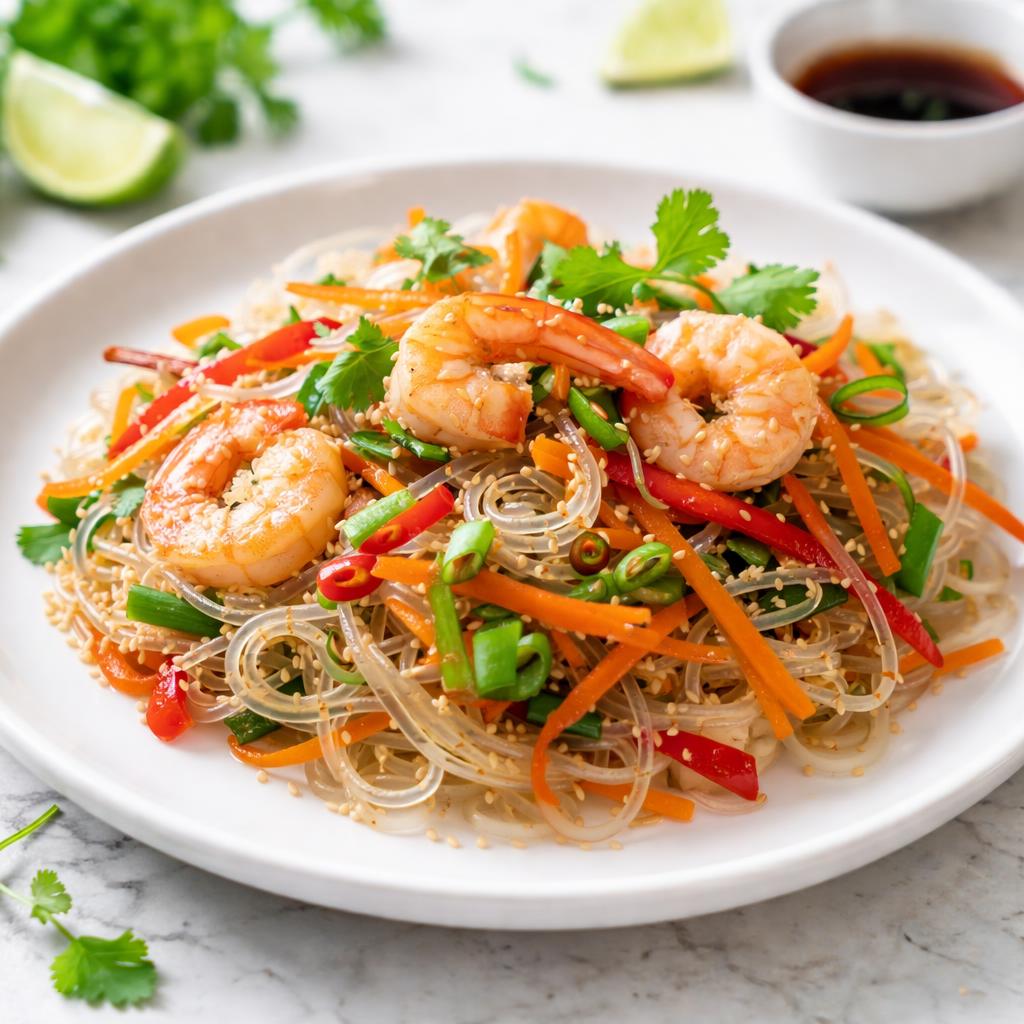
Glass Noodles
🎯 Quick Verdict
White rice and glass noodles are both carb-heavy bases for dishes, but glass noodles are lower in calories and higher in fiber. White rice, on the other hand, provides slightly more protein. Glass noodles are ideal for light, low-calorie meals, while white rice is better for replenishing energy after workouts or for nutrient pairing with high-protein dishes.

Smart Nutrition Tracking with SnapCalorie

📊 Nutritional Comparison
Macronutrients
| Nutrient | Food 1 | Food 2 | Winner |
|---|---|---|---|
| Calories | 130 per 100g (cooked) | 75 per 100g (cooked) | ✓ |
| Protein | 2.7g | 0.1g | ✓ |
| Carbs | 28g | 17g | ✓ |
| Fat | 0.3g | 0g | − |
| Fiber | 0.4g | 1g | ✓ |
Vitamins & Minerals
| Nutrient | Food 1 | Food 2 | Winner |
|---|---|---|---|
| Vitamin D | 0mcg | 0mcg | − |
| Calcium | 10mg | 24mg | ✓ |
| Iron | 0.2mg | 0.3mg | ✓ |
🏆 Category Winners
Protein
White rice provides significantly more protein than glass noodles.
Fiber
Glass noodles deliver more dietary fiber per serving.
Calories
Glass noodles are lower in calories, making them suitable for weight management.
Vitamins
Glass noodles are slightly higher in calcium and iron.
🥗 Diet Compatibility
Keto
Food 1: Not Compatible
Food 2: Not Compatible
Both are high in carbs and not suitable for keto diets.
Vegan
Food 1: Compatible
Food 2: Compatible
Both foods are plant-based and vegan-friendly.
Gluten Free
Food 1: Compatible
Food 2: Compatible
Both are naturally gluten-free.
Paleo
Food 1: Not Compatible
Food 2: Not Compatible
Neither are considered paleo-friendly due to their refined processing.
Low-Carb
Food 1: Not Compatible
Food 2: Partially Compatible
Glass noodles are lower in carbs than rice but still not ideal for strict low-carb diets.
💪 Health Benefits Comparison
Food 1 Benefits
- Provides quick digestible energy, making it useful for pre-workout meals
- Low in fat and cholesterol
- Pairs well with nutrient-dense foods for balanced meals
Food 2 Benefits
- Lower calorie count aids in weight management
- Good source of fiber for better digestion
- Contains trace minerals like calcium and iron
✅ The Bottom Line
Choose white rice for energy replenishment and pairing with protein-rich dishes. Opt for glass noodles when aiming for a low-calorie, high-fiber base for lighter meals.
Choose Food 1 for: High-energy meals, pairing with nutrient-rich dishes, versatile cuisines
Choose Food 2 for: Weight management, light meals, improved digestion


