White Rice VS Dill Sauce
A detailed nutritional comparison
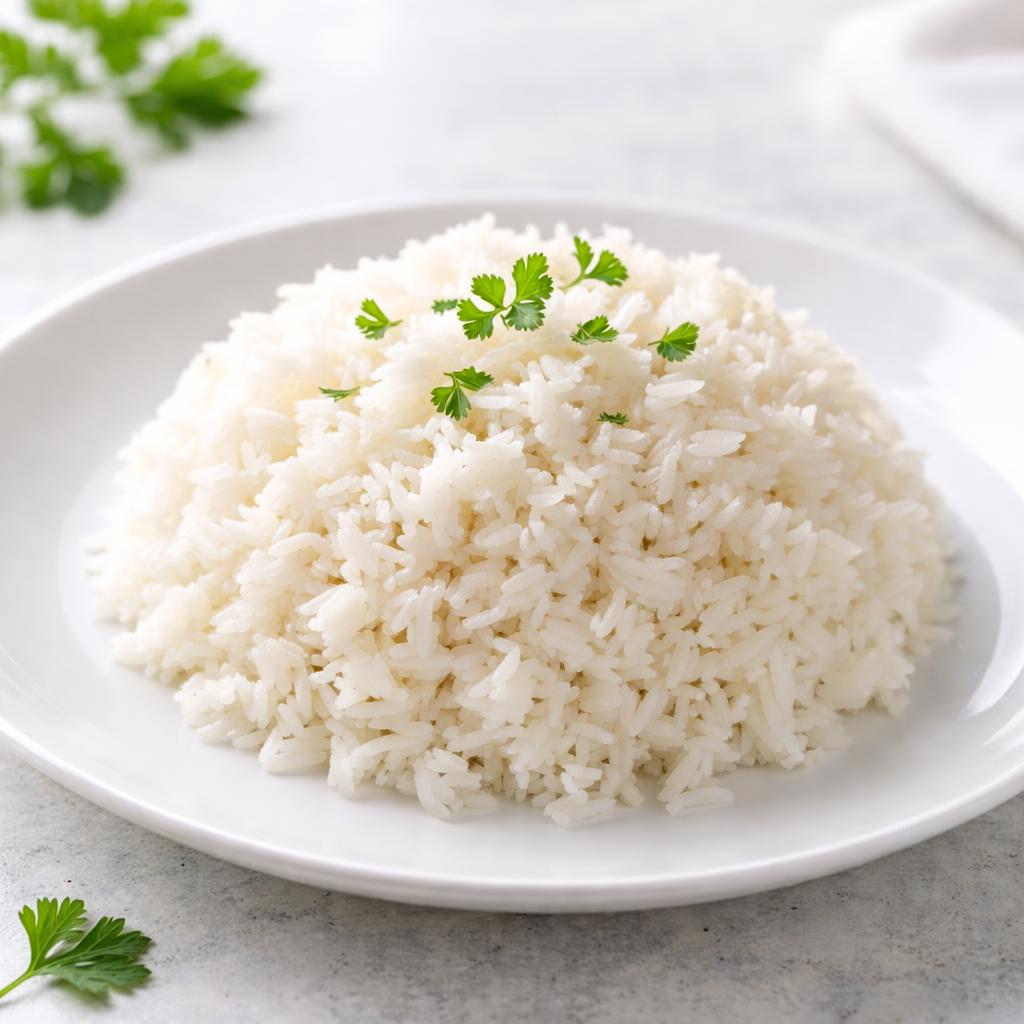
White Rice
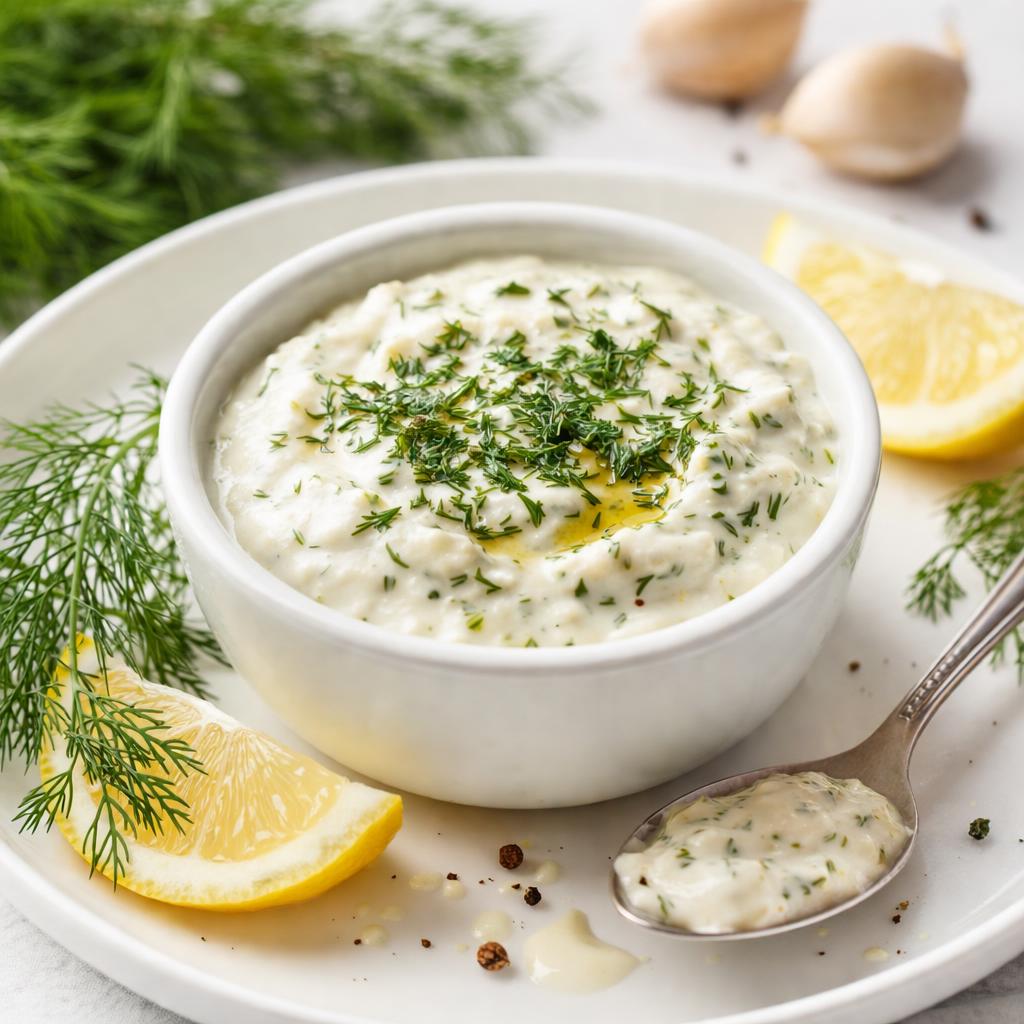
Dill Sauce
🎯 Quick Verdict
White rice is primarily a carbohydrate source with low protein and fiber content, making it a quick energy option. Dill sauce, while lower in calories and carbs, provides higher protein and fiber levels along with healthy fats and minerals, suited for enhancing dishes and adding flavor while contributing nutrients.

Smart Nutrition Tracking with SnapCalorie

📊 Nutritional Comparison
Macronutrients
| Nutrient | Food 1 | Food 2 | Winner |
|---|---|---|---|
| Calories | 130 per 100g | 70 per 100g | ✓ |
| Protein | 2.7g | 3.5g | ✓ |
| Carbs | 28g | 3g | ✓ |
| Fat | 0.3g | 5g | ✓ |
| Fiber | 0.4g | 0.6g | ✓ |
Vitamins & Minerals
| Nutrient | Food 1 | Food 2 | Winner |
|---|---|---|---|
| Vitamin C | 0mg | 5mg | ✓ |
| Vitamin D | 0mcg | 0.5mcg | ✓ |
| Calcium | 1mg | 30mg | ✓ |
| Iron | 0.1mg | 0.2mg | ✓ |
🏆 Category Winners
Protein
Dill sauce has 30% more protein than white rice per 100g.
Fiber
Dill sauce provides 50% more fiber compared to white rice.
Calories
Dill sauce has nearly 50% fewer calories per serving than white rice.
Vitamins
Dill sauce contains Vitamin C and more calcium, making it nutritionally superior.
🥗 Diet Compatibility
Keto
Food 1: Not Compatible
Food 2: Compatible
Dill sauce is low in carbs (3g per serving), while white rice is high-carb.
Vegan
Food 1: Compatible
Food 2: Not Compatible
White rice is plant-based, but dill sauce may contain dairy or eggs depending on preparation.
Gluten Free
Food 1: Compatible
Food 2: Compatible
Neither contains gluten inherently.
Paleo
Food 1: Not Compatible
Food 2: Not Compatible
White rice is not paleo-friendly, and dill sauce may contain processed ingredients.
Low Carb
Food 1: Not Compatible
Food 2: Compatible
White rice is high-carb (28g), while dill sauce is low-carb (3g).
💪 Health Benefits Comparison
Food 1 Benefits
- Quick source of energy due to high carb content
- Low in fat for calorie-controlled diets
- Versatile base for meals, pairing well with nutrient-dense toppings
Food 2 Benefits
- High in protein for building and repair
- Contains healthy fats, supporting heart and brain health
- Provides Vitamin C, boosting immune function
- Rich in flavor, aiding satiety and meal enjoyment
✅ The Bottom Line
White rice is best for individuals seeking a quick energy source or as a neutral carbohydrate base for meals. Dill sauce is excellent for those wanting a low-calorie, nutrient-rich flavor enhancer that supports protein intake and overall health. Pairing them can balance macros effectively.
Choose Food 1 for: Quick energy, meal bases, high-carb refueling
Choose Food 2 for: Low-carb diets, enhancing vegetables/meats, boosting nutrient intake


