White Rice VS Cream
A detailed nutritional comparison
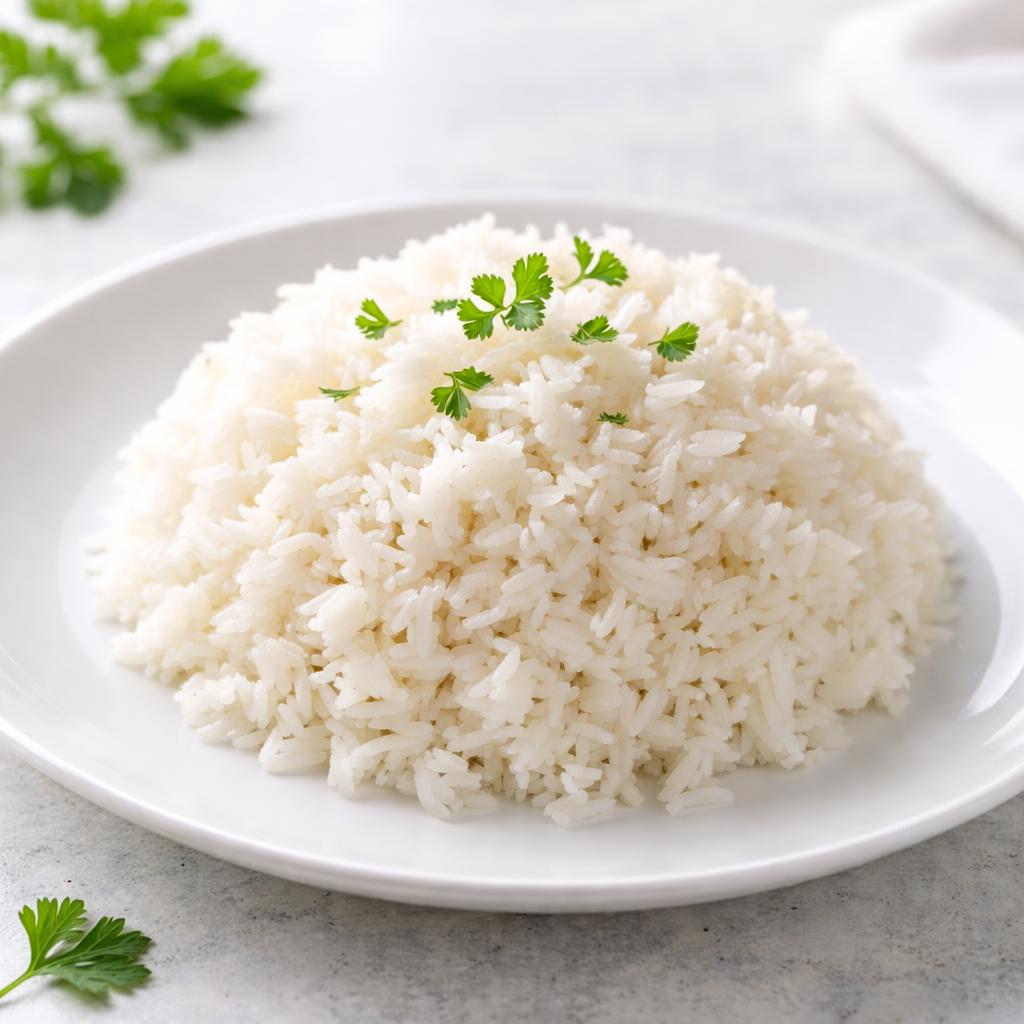
White Rice
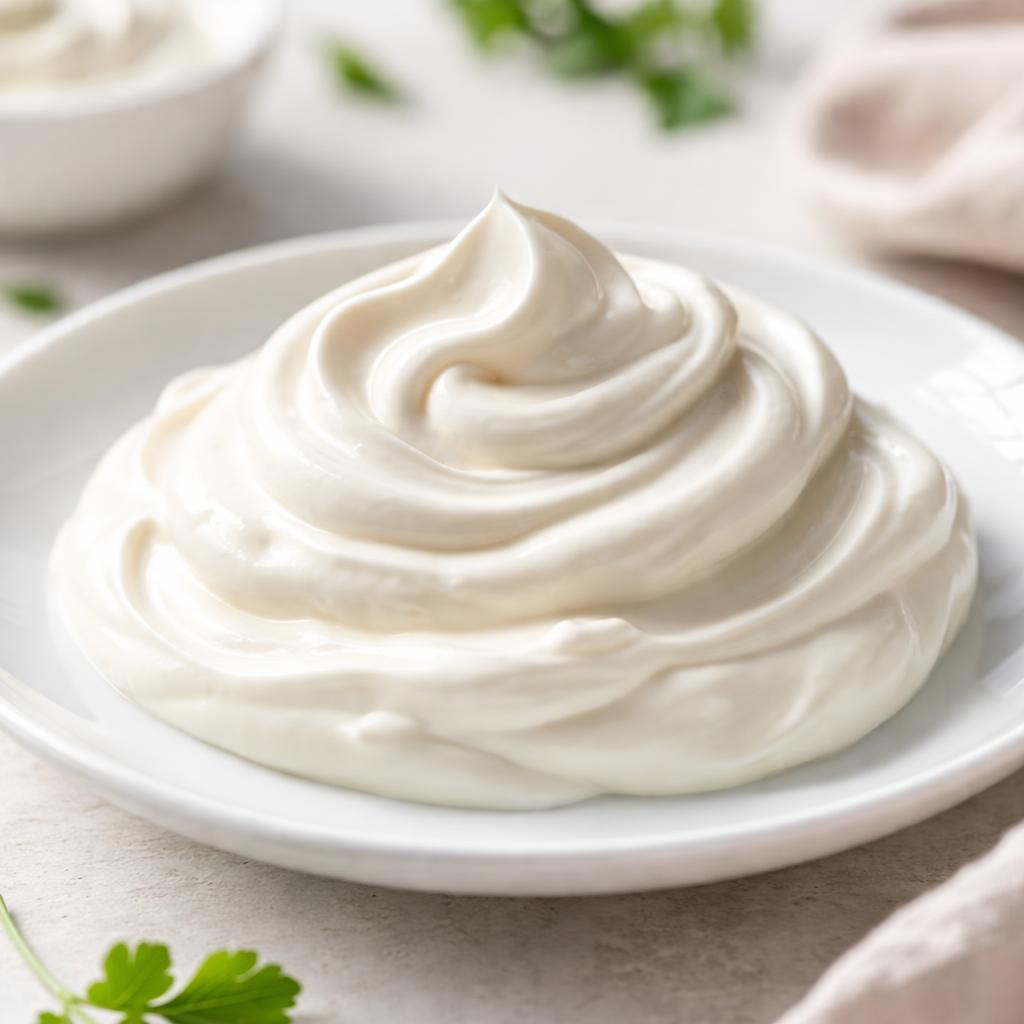
Cream
🎯 Quick Verdict
White rice is lower in calories and fat, making it a better choice for weight management and high-carb diets. Cream is higher in protein and healthy fats, which can be beneficial for keto or low-carb diets. White rice is ideal for energy supply, while cream is better suited for adding richness and nutrients to meals or desserts.

Smart Nutrition Tracking with SnapCalorie

📊 Nutritional Comparison
Macronutrients
| Nutrient | Food 1 | Food 2 | Winner |
|---|---|---|---|
| Calories | 130 per 100g | 340 per 100g | ✓ |
| Protein | 2.7g | 2.1g | ✓ |
| Carbs | 28g | 2.8g | ✓ |
| Fat | 0.3g | 36g | ✓ |
| Fiber | 0.4g | 0g | ✓ |
Vitamins & Minerals
| Nutrient | Food 1 | Food 2 | Winner |
|---|---|---|---|
| Vitamin D | 0mcg | 2mcg | ✓ |
| Calcium | 10mg | 110mg | ✓ |
| Iron | 0.2mg | 0.1mg | ✓ |
🏆 Category Winners
Protein
Food1 provides slightly more protein per serving than Food2.
Fiber
Food1 contains fiber (0.4g), while Food2 does not.
Calories
Food1 has significantly fewer calories per 100g compared to Food2.
🥗 Diet Compatibility
Keto
Food 1: Not Compatible
Food 2: Compatible
Food2 is high in healthy fats and low in carbs.
Vegan
Food 1: Compatible
Food 2: Not Compatible
White rice is plant-based, while cream is derived from animal products.
Gluten Free
Food 1: Compatible
Food 2: Compatible
Neither food contains gluten, making them both suitable for gluten-free diets.
Paleo
Food 1: Compatible
Food 2: Not Compatible
White rice can be adapted for paleo diets, but cream is not strictly paleo due to its dairy origin.
Low-Carb
Food 1: Not Compatible
Food 2: Compatible
Food2 is very low in carbohydrates, unlike the carb-heavy Food1.
💪 Health Benefits Comparison
Food 1 Benefits
- Provides quick energy due to high carbohydrate content.
- Low in fat and calories, suitable for weight management.
- Easy to digest, ideal for sensitive stomachs or post-sickness recovery.
Food 2 Benefits
- Rich in healthy fats for sustained energy and hormone production.
- Good source of calcium for bone health and strength.
- Contains Vitamin D to support bone health and immune function.
✅ The Bottom Line
White rice is ideal for those seeking quick energy, weight management, or easily digestible carbs. Cream, on the other hand, is better for low-carb diets, adding richness to dishes, and providing healthy fats and calcium. Choose white rice for carb-loading or light meals, and cream for indulgent sauces or energy-dense additions.
Choose Food 1 for: High-carb diets, post-sickness recovery, lighter meals
Choose Food 2 for: Low-carb diets, rich cooking, bone health


