White Rice VS Cilantro
A detailed nutritional comparison
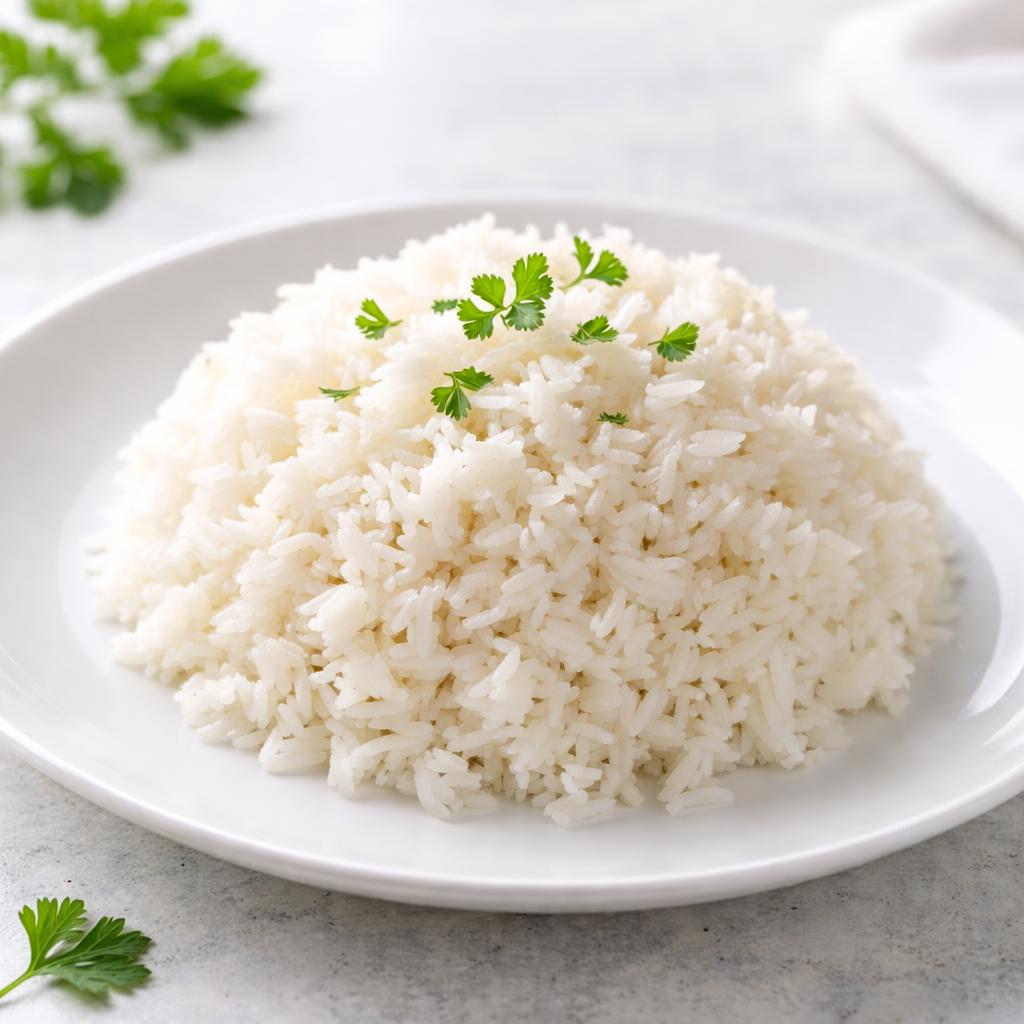
White Rice
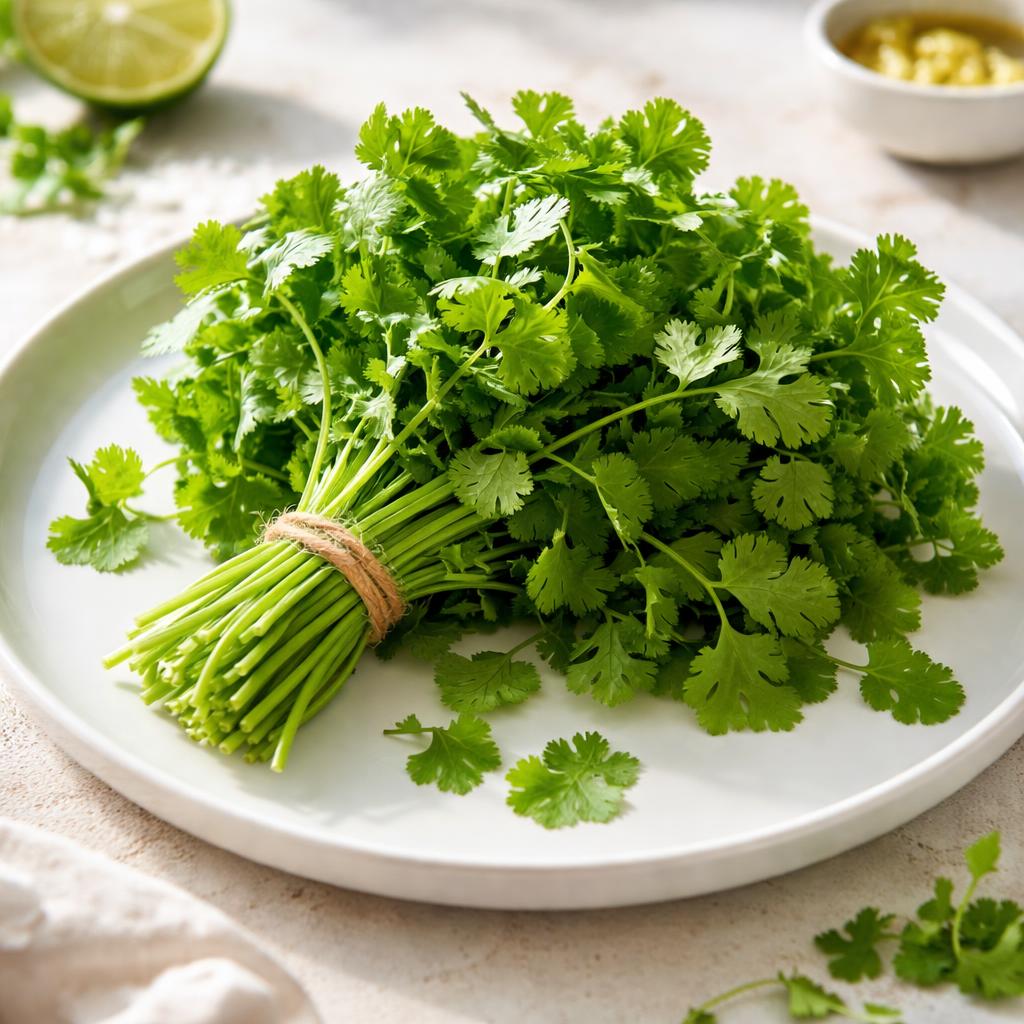
Cilantro
🎯 Quick Verdict
White rice is energy-dense, with higher calories and carbs, making it a good choice for quick energy. Cilantro, however, is vastly superior in micronutrient content while being low in calories, capable of enhancing digestion and heart health. Use white rice for carb-heavy meals and cilantro to boost nutrient density without extra calories.

Smart Nutrition Tracking with SnapCalorie

📊 Nutritional Comparison
Macronutrients
| Nutrient | Food 1 | Food 2 | Winner |
|---|---|---|---|
| Calories | 206 (per 1 cup cooked) | 2 (per 1 cup) | ✓ |
| Protein | 4.25g | 0.5g | − |
| Carbs | 44.5g | 0.4g | ✓ |
| Fat | 0.44g | 0.1g | ✓ |
| Fiber | 0.6g | 1.1g | ✓ |
Vitamins & Minerals
| Nutrient | Food 1 | Food 2 | Winner |
|---|---|---|---|
| Vitamin C | 0mg | 26mg (29% DV) | ✓ |
| Vitamin K | 0mcg | 310mcg (259% DV) | ✓ |
| Potassium | 55mg | 521mg | ✓ |
| Iron | 0.42mg | 1.77mg | ✓ |
🏆 Category Winners
Protein
Both foods contain minimal protein (<5g per serving).
Fiber
Cilantro offers nearly double the fiber per serving compared to white rice.
Calories
Cilantro has significantly fewer calories, only 2 per cup versus 206 for white rice.
Vitamins
Cilantro is rich in essential vitamins (C, K, Potassium) while rice has a negligible vitamin profile.
🥗 Diet Compatibility
Keto
Food 1: Not Compatible
Food 2: Compatible
White rice is high in carbs, while cilantro is keto-friendly due to its low carb content.
Vegan
Food 1: Compatible
Food 2: Compatible
Both are plant-based.
Gluten Free
Food 1: Compatible
Food 2: Compatible
Neither food contains gluten.
Paleo
Food 1: Not Compatible
Food 2: Compatible
Cilantro aligns with paleo diets while white rice, being processed, is generally avoided.
Low Carb
Food 1: Not Compatible
Food 2: Compatible
White rice is very high in carbs, while cilantro is virtually carb-free.
💪 Health Benefits Comparison
Food 1 Benefits
- Good source of energy due to high carbohydrate content
- Easily digestible, ideal for sensitive stomachs
- Pairs well with nutrient-dense toppings for balanced meals
Food 2 Benefits
- High in vitamin K for bone health and blood clotting
- Rich in antioxidants that reduce inflammation
- Promotes digestion and helps detoxification
- Low calories, making it suitable for weight management
✅ The Bottom Line
White rice is ideal when quick energy is required, such as during endurance activities or carb-loading meals. Cilantro is better for enhancing a dish's flavor while boosting its nutritional profile without adding calories. Pair the two for balanced dishes.
Choose Food 1 for: Quick energy, carb-heavy meals, post-workout recovery
Choose Food 2 for: Flavor enhancement, nutrient density, weight management


