White Rice VS Chocolate Biscuit
A detailed nutritional comparison
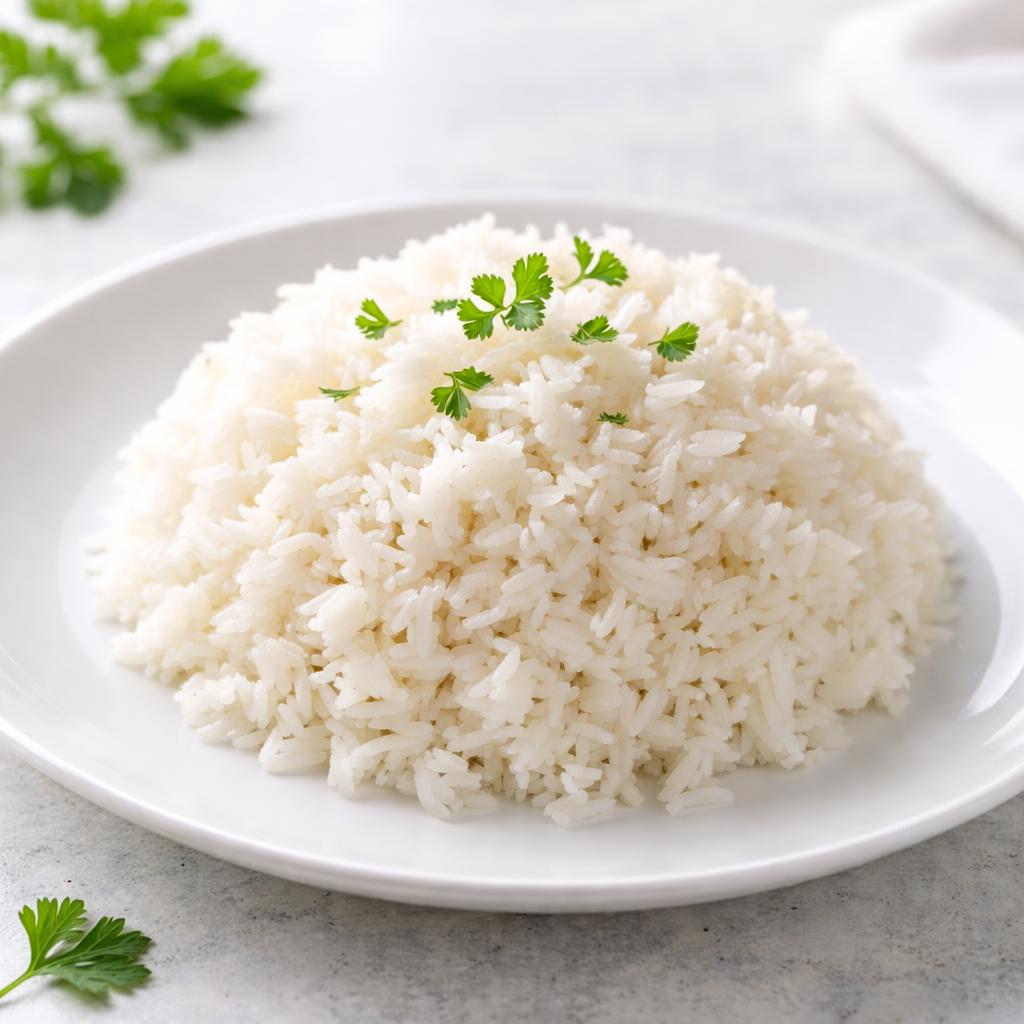
White Rice
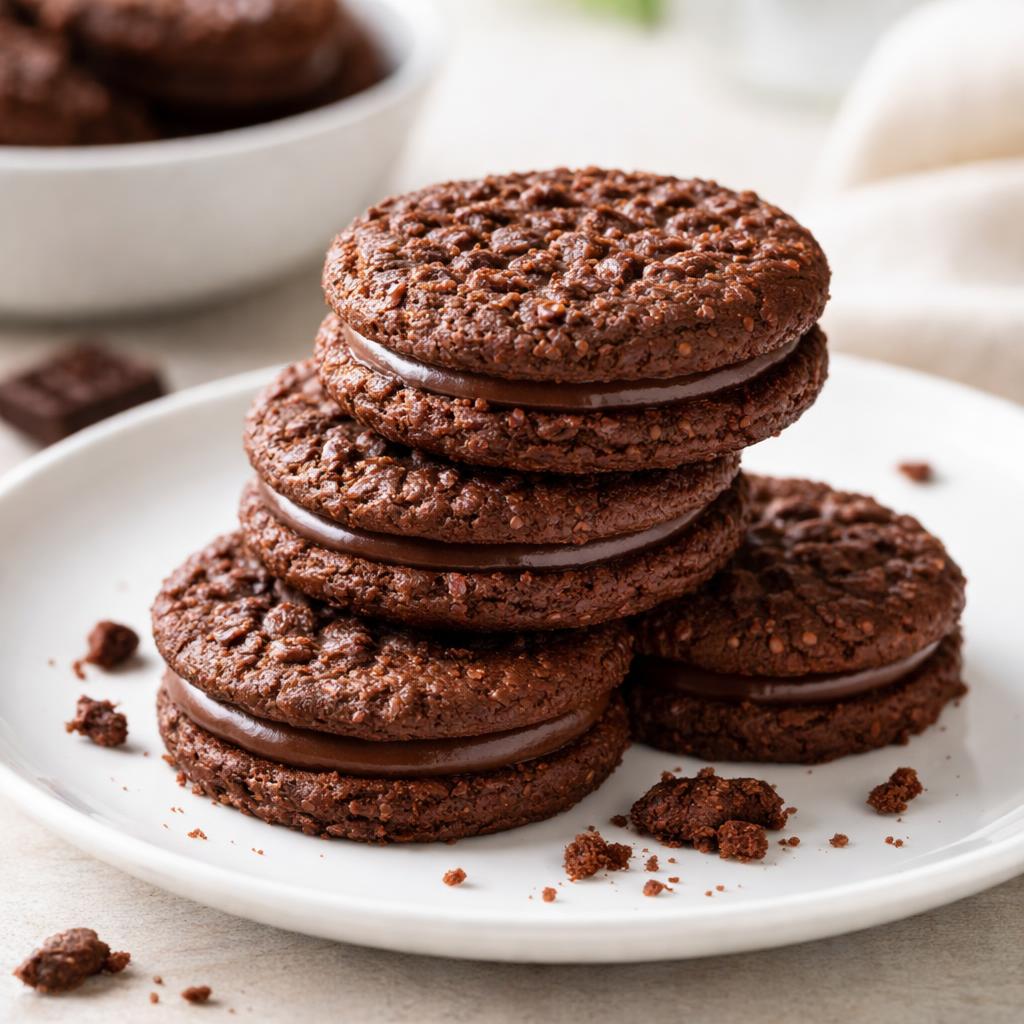
Chocolate Biscuit
🎯 Quick Verdict
White rice is lower in calories and fat but offers less fiber than chocolate biscuits. While rice is ideal for a low-fat, easy-to-digest carbohydrate source, chocolate biscuits may provide energy from sugar and fat, along with some fiber for satiety. Choose rice for simple meals or biscuits for occasional snacking.

Smart Nutrition Tracking with SnapCalorie

📊 Nutritional Comparison
Macronutrients
| Nutrient | Food 1 | Food 2 | Winner |
|---|---|---|---|
| Calories | 130 (per 100g cooked) | 480 (per 100g) | ✓ |
| Protein | 2.7g | 4.8g | ✓ |
| Carbs | 28g | 66g | ✓ |
| Fat | 0.3g | 19g | ✓ |
| Fiber | 0.4g | 2g | ✓ |
Vitamins & Minerals
| Nutrient | Food 1 | Food 2 | Winner |
|---|---|---|---|
| Vitamin D | 0mcg | 0.1mcg | ✓ |
| Calcium | 10mg | 50mg | ✓ |
| Iron | 0.2mg | 3.0mg | ✓ |
🏆 Category Winners
Protein
Chocolate biscuits contain nearly double the protein of white rice.
Fiber
Chocolate biscuits provide 5x more fiber than white rice.
Calories
White rice has significantly fewer calories per serving.
Vitamins
Chocolate biscuits offer more calcium, iron, and minimal vitamin D.
🥗 Diet Compatibility
Keto
Food 1: Not Compatible
Food 2: Not Compatible
Both foods are high in carbohydrates.
Vegan
Food 1: Compatible
Food 2: Check Ingredients
White rice is vegan, but chocolate biscuits might have dairy/eggs.
Gluten Free
Food 1: Compatible
Food 2: Not Compatible
Rice is naturally gluten-free, while biscuits typically contain wheat.
Paleo
Food 1: Compatible
Food 2: Not Compatible
White rice can fit a relaxed paleo diet; biscuits do not due to processed ingredients.
Low-Carb
Food 1: Not Compatible
Food 2: Not Compatible
Both foods are high in carbs, exceeding typical low-carb diet limits.
💪 Health Benefits Comparison
Food 1 Benefits
- Simple source of digestible carbohydrates for energy.
- Low in fat, making it heart-friendly.
- Naturally gluten-free.
Food 2 Benefits
- Provides quick energy through sugars and fats.
- Contains some fiber for satiety.
- Source of calcium and iron in moderate quantities.
✅ The Bottom Line
White rice is better suited for those seeking a low-calorie, low-fat carbohydrate base, while chocolate biscuits are more of an indulgent treat providing some fiber and minerals. Pair rice with nutrient-dense toppings for balanced meals and enjoy biscuits in moderation for a snack or dessert.
Choose Food 1 for: Low-fat diets, meal base, gluten-free options
Choose Food 2 for: Occasional treats, energy boost, source of iron


