White Rice VS Chili Sauce
A detailed nutritional comparison
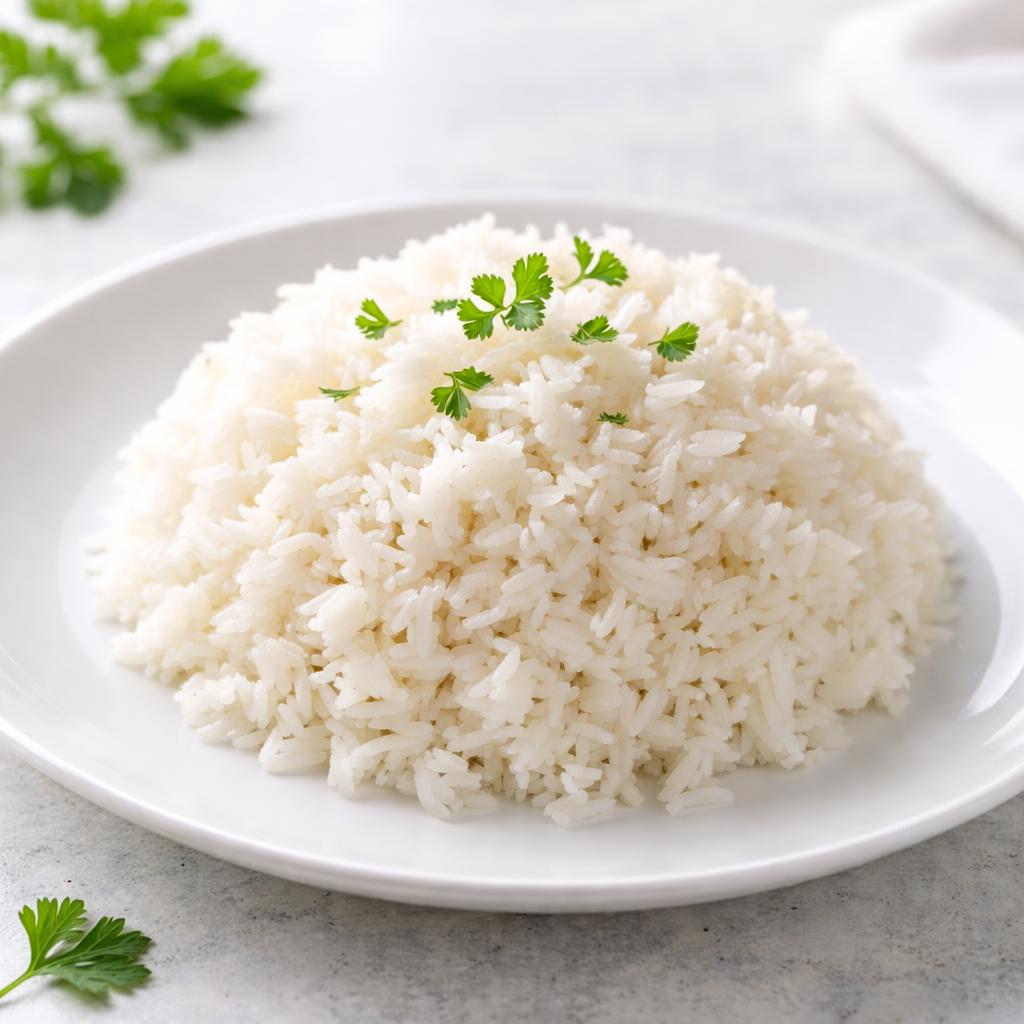
White Rice
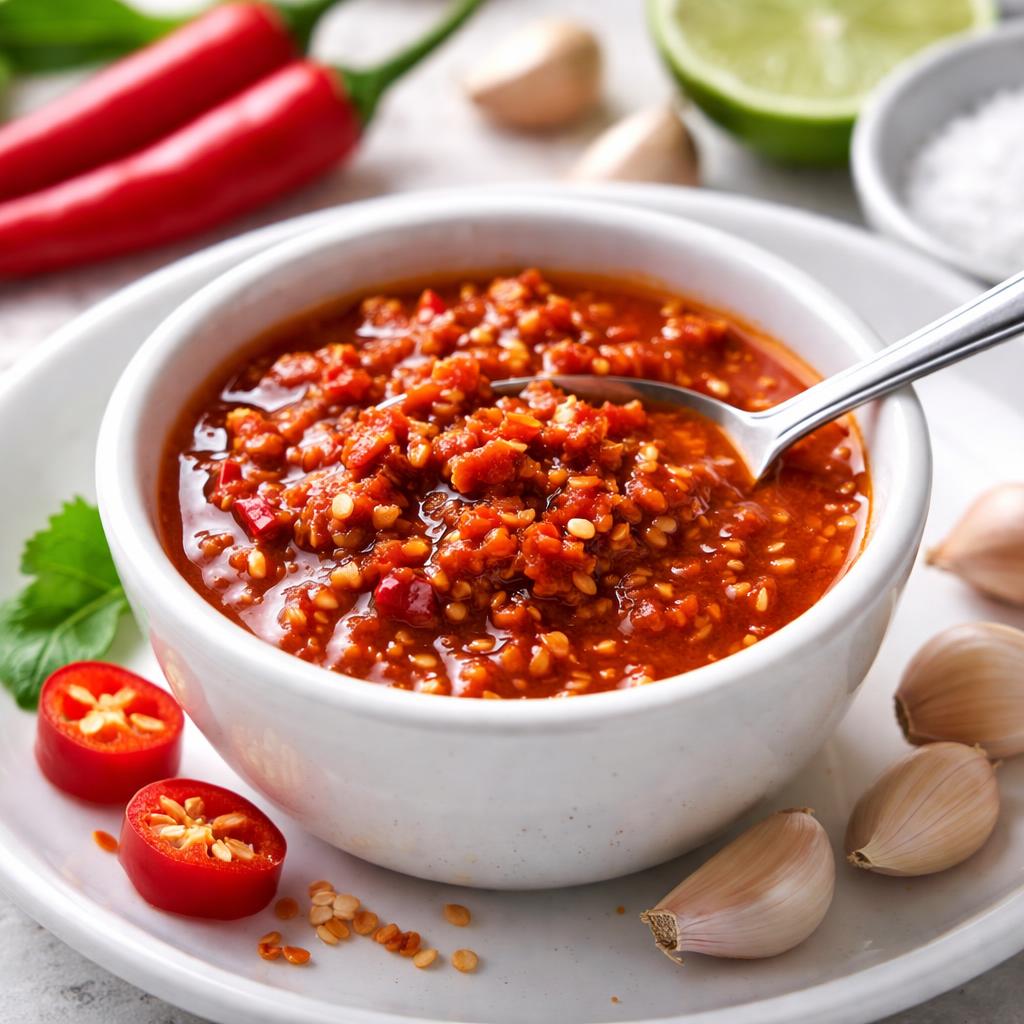
Chili Sauce
🎯 Quick Verdict
White rice and chili sauce serve very different purposes. White rice is a carbohydrate-dense staple with more calories and protein, but chili sauce offers significantly fewer calories and adds bold flavors without contributing much to macronutritional intake. White rice is ideal as a base for meals, while chili sauce enhances flavor in smaller quantities.

Smart Nutrition Tracking with SnapCalorie

📊 Nutritional Comparison
Macronutrients
| Nutrient | Food 1 | Food 2 | Winner |
|---|---|---|---|
| Calories | 130 per 100g | 30 per 100g | ✓ |
| Protein | 2.7g | 0.5g | ✓ |
| Carbs | 28g | 7g | ✓ |
| Fat | 0.3g | 0.5g | ✓ |
| Fiber | 0.4g | 0.5g | − |
Vitamins & Minerals
| Nutrient | Food 1 | Food 2 | Winner |
|---|---|---|---|
| Vitamin C | 0mg | 5mg | ✓ |
| Vitamin A | 0IU | 700IU | ✓ |
| Iron | 0.2mg | 0.3mg | ✓ |
🏆 Category Winners
Protein
White rice contains more protein, with 2.7g per 100g.
Fiber
Both foods provide low levels of fiber (less than 1g per 100g).
Calories
Chili sauce has only 30 calories per 100g compared to 130 calories in white rice.
Vitamins
Chili sauce contains significant amounts of Vitamin C and Vitamin A, which are absent in white rice.
🥗 Diet Compatibility
Keto
Food 1: Not Compatible
Food 2: Compatible
White rice is high-carb, but chili sauce is low in carbs.
Vegan
Food 1: Compatible
Food 2: Compatible
Both foods are plant-based.
Gluten Free
Food 1: Compatible
Food 2: Compatible
Neither food contains gluten.
Paleo
Food 1: Not Compatible
Food 2: Compatible
White rice is excluded on the Paleo diet while chili sauce is allowed.
Low Carb
Food 1: Not Compatible
Food 2: Compatible
White rice is high in carbs (28g per 100g), while chili sauce is low in carbs (7g per 100g).
💪 Health Benefits Comparison
Food 1 Benefits
- Provides quick energy from carbohydrates
- Low in fat, making it a light option for meals
- Easily digestible, good for sensitive stomachs
Food 2 Benefits
- Rich in Vitamin C to boost immunity
- Contains capsaicin for metabolism support and pain relief
- Low calorie option to enhance flavors without excess energy intake
- Source of antioxidants that may fight inflammation
✅ The Bottom Line
White rice and chili sauce complement each other rather than compete directly. Choose white rice when you need a calorically dense meal base rich in fast-digesting carbohydrates. Opt for chili sauce if you're looking for a flavor enhancer with minimal calories and added health benefits from vitamins and antioxidants.
Choose Food 1 for: Energy replenishment, meal base, easy digestion
Choose Food 2 for: Adding flavor without extra calories, immune support, enhancing heart health


