White Rice VS Cabbage Curry
A detailed nutritional comparison
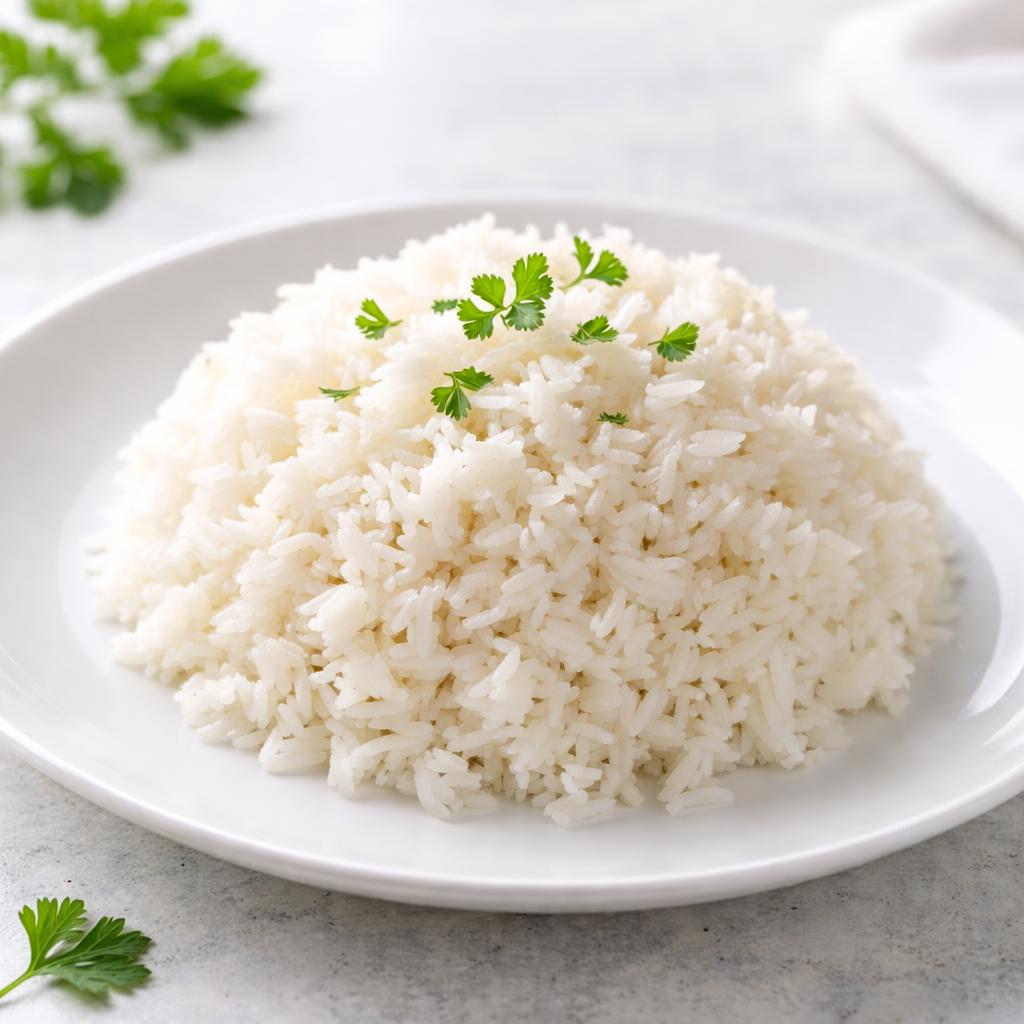
White Rice
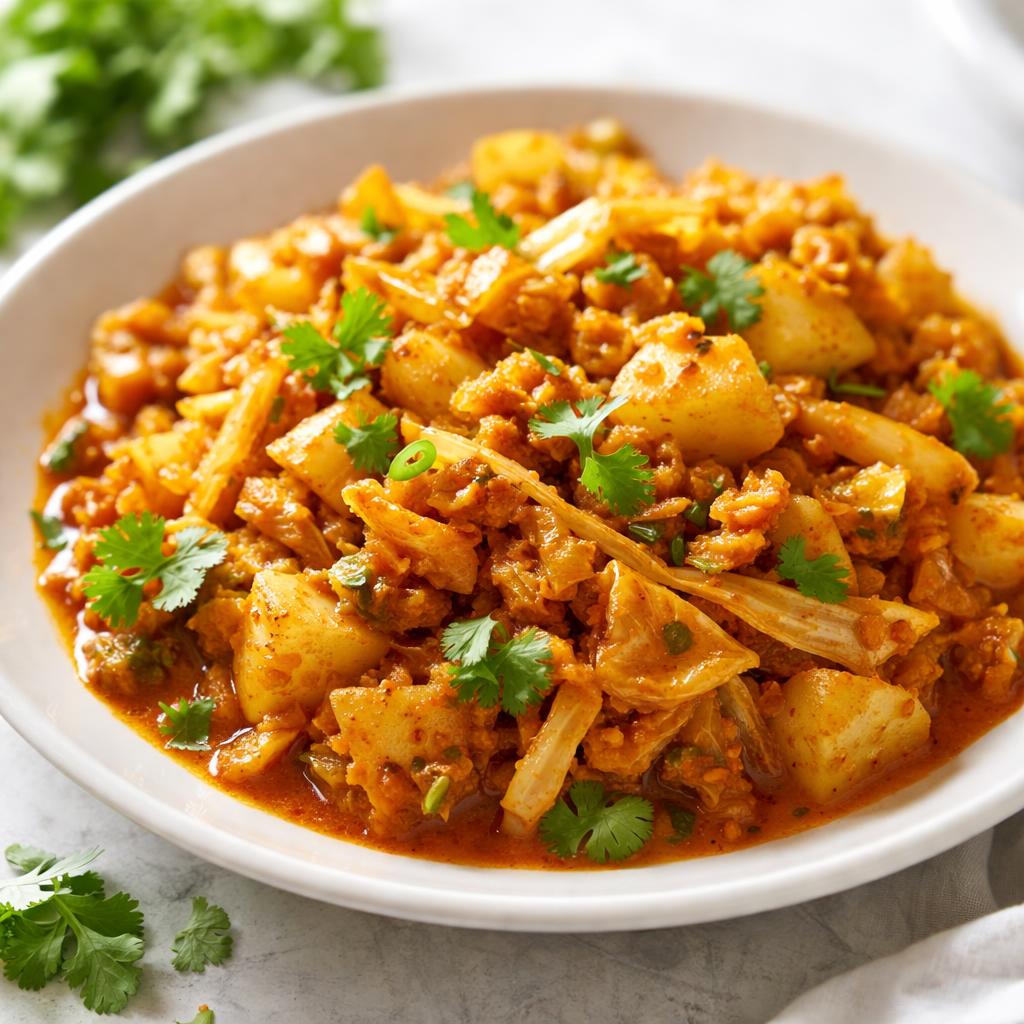
Cabbage Curry
🎯 Quick Verdict
White rice is calorie-dense with minimal protein and fiber, making it a quick energy source but less nutrient-packed. Cabbage curry provides significantly more fiber, fewer calories, and a variety of vitamins and minerals, making it a healthier and more filling option overall, especially for nutrient-focused diets.

Smart Nutrition Tracking with SnapCalorie

📊 Nutritional Comparison
Macronutrients
| Nutrient | Food 1 | Food 2 | Winner |
|---|---|---|---|
| Calories | 206 | 95 | ✓ |
| Protein | 4.25g | 4g | − |
| Carbs | 45g | 12g | ✓ |
| Fat | 0.5g | 6g | ✓ |
| Fiber | 0.6g | 3.5g | ✓ |
Vitamins & Minerals
| Nutrient | Food 1 | Food 2 | Winner |
|---|---|---|---|
| Vitamin C | 0mg | 35mg | ✓ |
| Vitamin K | 0mcg | 60mcg | ✓ |
| Potassium | 55mg | 250mg | ✓ |
| Iron | 0.2mg | 1.5mg | ✓ |
🏆 Category Winners
Protein
Both provide very similar protein content (around 4g per serving).
Fiber
Cabbage curry offers over 5x more fiber than white rice.
Calories
Cabbage curry contains less than half the calories of white rice per serving.
Vitamins
Cabbage curry is significantly richer in vitamins, especially Vitamin C and K, as well as potassium.
🥗 Diet Compatibility
Keto
Food 1: Not Compatible
Food 2: Compatible
Food1 is high-carb (45g), while Food2 is low-carb (12g).
Vegan
Food 1: Compatible
Food 2: Compatible
Both are plant-based and can easily fit into a vegan diet.
Gluten Free
Food 1: Compatible
Food 2: Compatible
Neither food contains gluten.
Paleo
Food 1: Compatible
Food 2: Compatible
Both fit the paleo guidelines if prepared without processed ingredients.
Low-Carb
Food 1: Not Compatible
Food 2: Compatible
White rice exceeds low-carb thresholds, while cabbage curry does not.
💪 Health Benefits Comparison
Food 1 Benefits
- Quick and accessible source of energy
- Low fat content for low-fat diets
- Easily digestible for sensitive stomachs
Food 2 Benefits
- High in fiber, promoting digestion and gut health
- Rich in Vitamin C, supporting immune function
- Provides potassium for muscle and heart health
- Contains antioxidants and anti-inflammatory compounds from cabbage
✅ The Bottom Line
Choose cabbage curry for a nutrient-dense, low-calorie, and high-fiber meal that supports digestion, immunity, and overall health. Use white rice as a quick, energy-boosting carbohydrate source for more physically active days. Cabbage curry is better suited for weight management and low-carb diets, while rice appeals to high-energy or balanced diet scenarios.
Choose Food 1 for: Quick energy, post-workout carb loading, easy digestion
Choose Food 2 for: Weight loss, low-carb meals, nutrient-dense diets, general health


