White Rice VS Brown Sauce
A detailed nutritional comparison
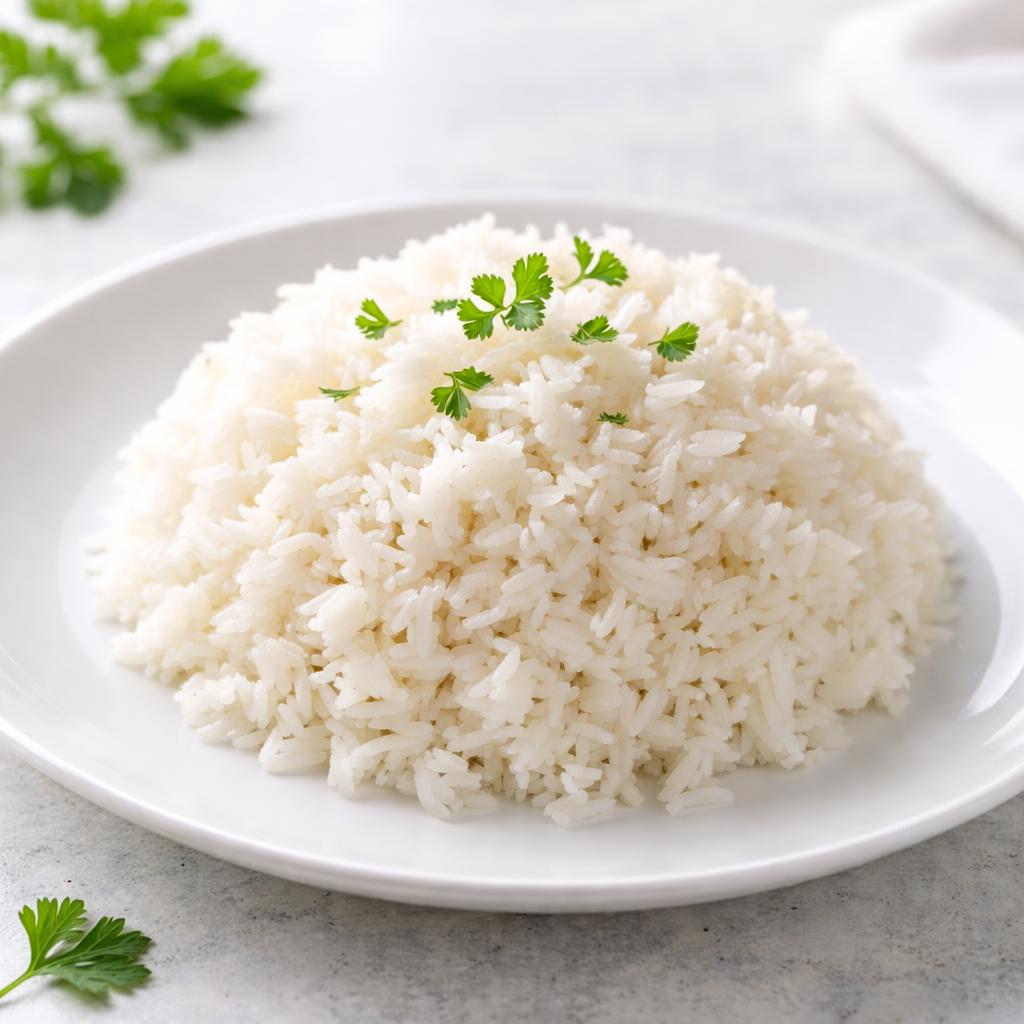
White Rice
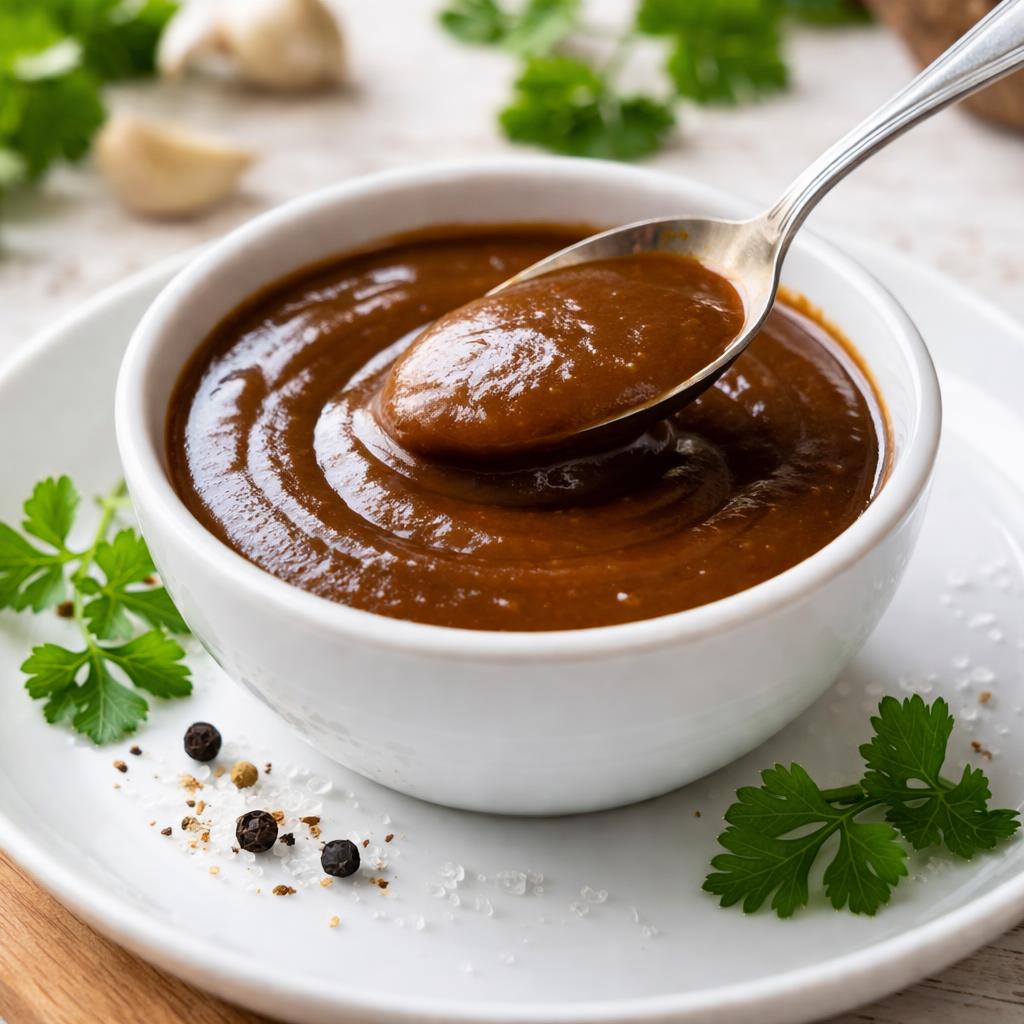
Brown Sauce
🎯 Quick Verdict
White rice is primarily a carbohydrate-rich grain with a lower calorie count and higher protein content compared to brown sauce. Brown sauce is significantly higher in fiber, vitamins, and minerals, making it better for nutrient density. White rice is a straightforward source of energy, while brown sauce adds flavor and nutrients to meals.

Smart Nutrition Tracking with SnapCalorie

📊 Nutritional Comparison
Macronutrients
| Nutrient | Food 1 | Food 2 | Winner |
|---|---|---|---|
| Calories | 130 | 70 | ✓ |
| Protein | 2.7g | 0.5g | ✓ |
| Carbs | 28g | 15g | ✓ |
| Fat | 0.3g | 4g | ✓ |
| Fiber | 0.4g | 1g | ✓ |
Vitamins & Minerals
| Nutrient | Food 1 | Food 2 | Winner |
|---|---|---|---|
| Vitamin D | 0mcg | 0mcg | − |
| Vitamin C | 0mg | 1mg | ✓ |
| Calcium | 10mg | 20mg | ✓ |
| Iron | 0.2mg | 0.5mg | ✓ |
🏆 Category Winners
Protein
White rice provides five times the protein of brown sauce.
Fiber
Brown sauce has more than double the amount of fiber compared to white rice.
Calories
Brown sauce has nearly half the calories of white rice per serving.
Vitamins
Brown sauce contains more calcium, iron, and vitamin C.
🥗 Diet Compatibility
Keto
Food 1: Not Compatible
Food 2: Compatible
White rice is high in carbohydrates, while brown sauce is low-carb.
Vegan
Food 1: Compatible
Food 2: Compatible
Both are plant-based foods.
Gluten Free
Food 1: Compatible
Food 2: Check for gluten additives
White rice is naturally gluten-free, some brown sauces may contain gluten.
Paleo
Food 1: Not Compatible
Food 2: Compatible
White rice is excluded on paleo diets; natural brown sauces may be allowed.
Low Carb
Food 1: Not Compatible
Food 2: Compatible
Brown sauce fits better in a low-carb plan due to lower carbohydrate content.
💪 Health Benefits Comparison
Food 1 Benefits
- Provides quick energy due to high carbohydrate content
- Low in fat, beneficial for low-fat diets
- Good source of easily digestible carbohydrates
Food 2 Benefits
- Higher fiber content supports digestive health
- Contains small amounts of calcium and iron for bone and blood health
- Low-calorie option for weight management
✅ The Bottom Line
White rice is ideal for those seeking a simple carbohydrate source for energy and protein. Brown sauce is better when prioritizing flavor, nutrient density, and lower calories. Use brown sauce to enhance the nutritional profile of meals or complement low-carb diets, while white rice is best for quick energy needs.
Choose Food 1 for: Energy boost, post-workout carb refueling, low-fat diets
Choose Food 2 for: Weight management, nutrient-dense meals, low-carb diets


