White Rice VS Boiled Rice
A detailed nutritional comparison
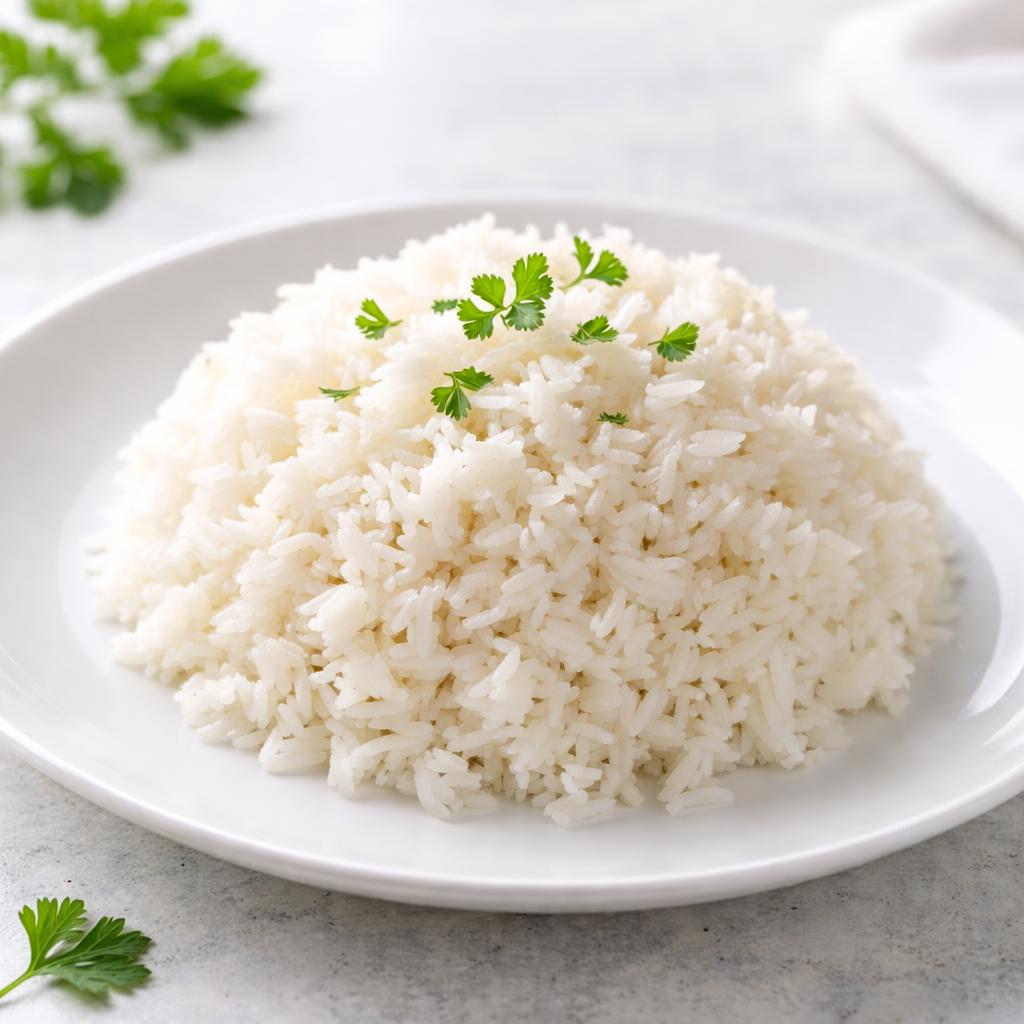
White Rice
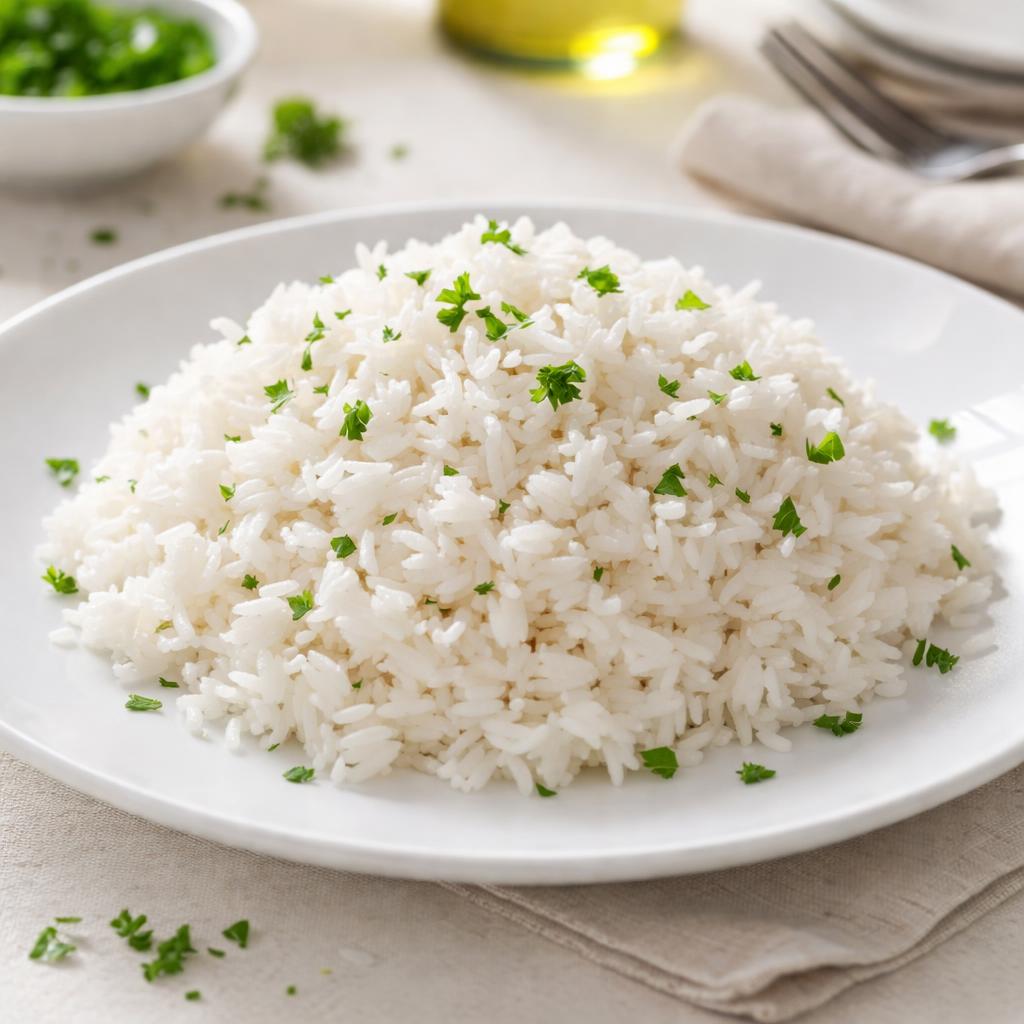
Boiled Rice
🎯 Quick Verdict
White rice and boiled rice share similar nutritional profiles, but boiled rice typically contains slightly fewer calories and more fiber, making it more favorable for digestion and weight management. While both rice types are versatile, boiled rice is better suited for lighter or health-conscious meals, whereas white rice may be preferred for recipes requiring fluffier textures or faster cooking times.

Smart Nutrition Tracking with SnapCalorie

📊 Nutritional Comparison
Macronutrients
| Nutrient | Food 1 | Food 2 | Winner |
|---|---|---|---|
| Calories | 130 | 112 | − |
| Protein | 2.7g | 2.6g | − |
| Carbs | 28g | 24.9g | − |
| Fat | 0.3g | 0.2g | − |
| Fiber | 0.4g | 0.6g | − |
Vitamins & Minerals
| Nutrient | Food 1 | Food 2 | Winner |
|---|---|---|---|
| Vitamin B1 (Thiamine) | 0.02mg | 0.05mg | − |
| Vitamin B3 (Niacin) | 0.4mg | 0.6mg | − |
| Iron | 0.2mg | 0.4mg | − |
🏆 Category Winners
Protein
Both foods contain approximately 2.6-2.7g of protein per serving.
Fiber
Boiled rice has 50% more fiber than white rice.
Calories
Boiled rice has about 14% fewer calories per serving.
🥗 Diet Compatibility
Keto
Food 1: Not Compatible
Food 2: Not Compatible
Both rice types are high in carbs.
Vegan
Food 1: Compatible
Food 2: Compatible
Both rice types are plant-based.
Gluten Free
Food 1: Compatible
Food 2: Compatible
Neither contains gluten.
Paleo
Food 1: Not Compatible
Food 2: Not Compatible
Rice is not considered paleo-friendly.
Low-Carb
Food 1: Not Compatible
Food 2: Not Compatible
Both foods have relatively high carbohydrate content.
💪 Health Benefits Comparison
Food 1 Benefits
- Provides quick energy due to high carbohydrate content
- Easily digestible, suitable for sensitive stomachs
- Low in fat, making it suitable for low-fat diets
Food 2 Benefits
- Higher fiber content aids digestion and promotes satiety
- Lower calorie content, beneficial for weight management
- Provides more iron and B vitamins for energy and red blood cell production
✅ The Bottom Line
White rice and boiled rice are nutritionally similar, but boiled rice edges out slightly because of its higher fiber, lower calorie content, and improved micronutrient profile. Choose white rice for faster cooking, fluffier textures, or recipes needing a neutral base. Opt for boiled rice to support digestive health and weight loss goals.
Choose Food 1 for: Recipes requiring fluffiness, quick energy needs, sensitive stomachs
Choose Food 2 for: Weight management, improved digestion, higher nutrient density


