White Rice VS Bee Hoon
A detailed nutritional comparison
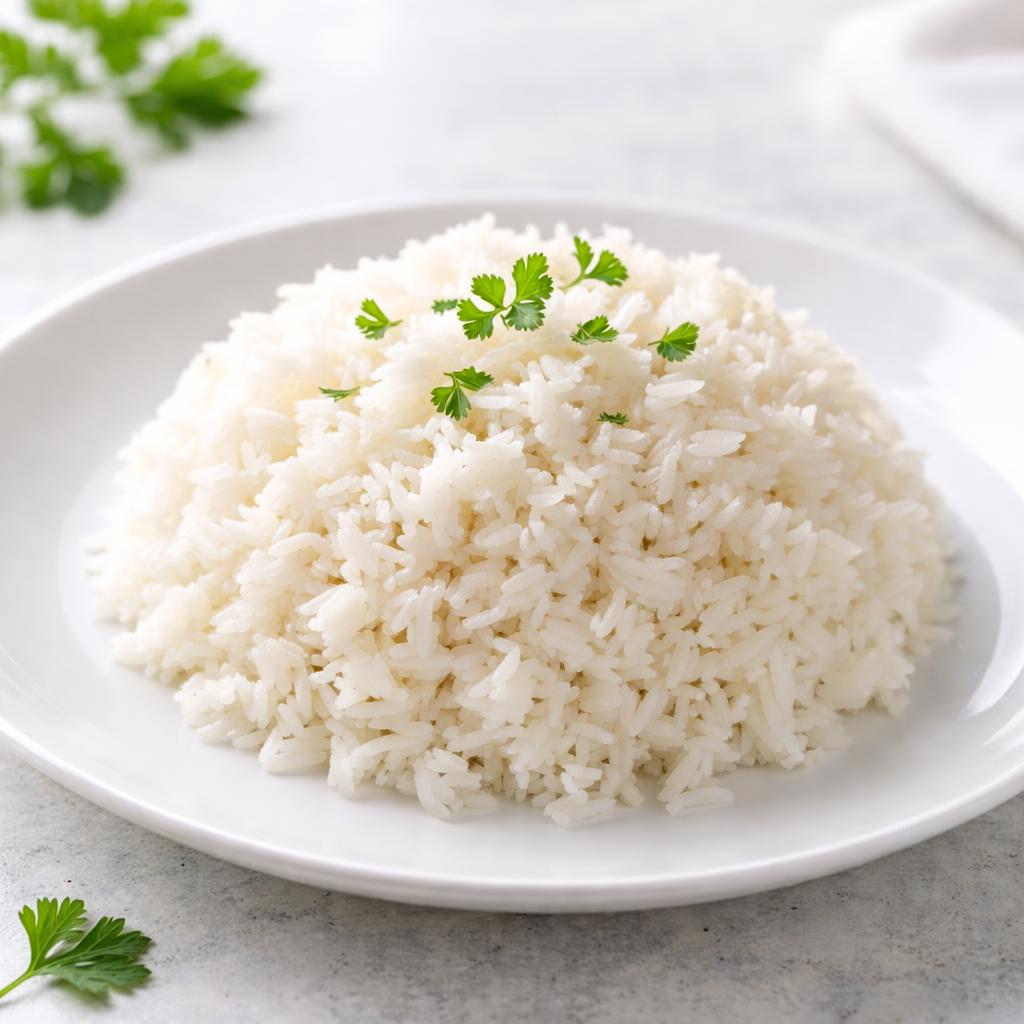
White Rice
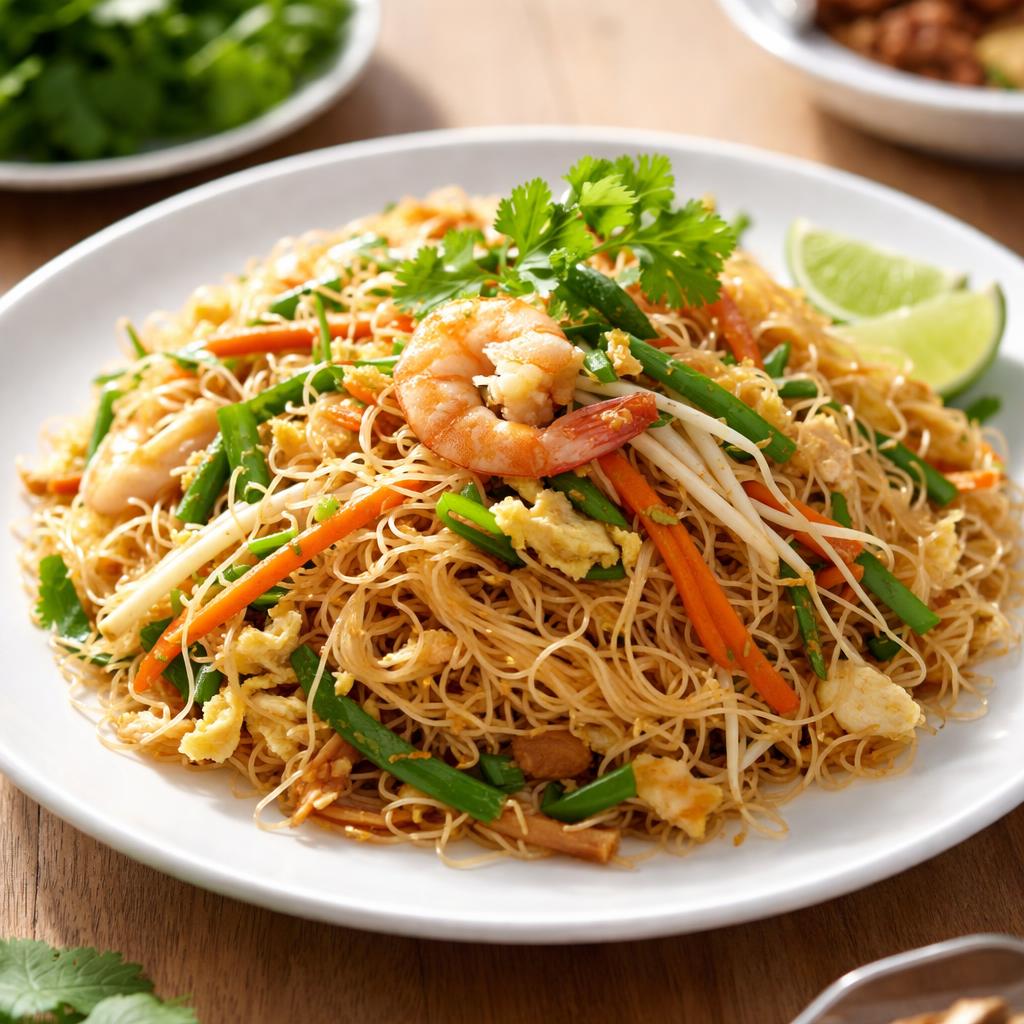
Bee Hoon
🎯 Quick Verdict
Bee hoon generally offers more nutritional benefits than white rice, including slightly higher protein, fiber, and lower calories per serving, making it more suitable for weight-conscious and balanced diets. White rice, however, is a simple carbohydrate source that delivers quick energy and pairs well with various dishes but has fewer micronutrients overall.

Smart Nutrition Tracking with SnapCalorie

📊 Nutritional Comparison
Macronutrients
| Nutrient | Food 1 | Food 2 | Winner |
|---|---|---|---|
| Calories | 130 per 100g | 109 per 100g | ✓ |
| Protein | 2.7g per 100g | 3.6g per 100g | ✓ |
| Carbs | 28g per 100g | 23g per 100g | ✓ |
| Fat | 0.3g per 100g | 0.2g per 100g | − |
| Fiber | 0.4g per 100g | 2g per 100g | ✓ |
Vitamins & Minerals
| Nutrient | Food 1 | Food 2 | Winner |
|---|---|---|---|
| Calcium | 10mg per 100g | 18mg per 100g | ✓ |
| Iron | 0.2mg per 100g | 0.8mg per 100g | ✓ |
| Vitamin B6 | 0mg per 100g | 0.1mg per 100g | ✓ |
🏆 Category Winners
Protein
Bee hoon has 33% more protein compared to white rice.
Fiber
Bee hoon provides 5x more fiber per serving.
Calories
Bee hoon has 16% fewer calories per 100 grams than white rice.
Vitamins
Bee hoon offers more iron, calcium, and Vitamin B6 compared to white rice.
🥗 Diet Compatibility
Keto
Food 1: Not Compatible
Food 2: Not Compatible
Both are high in carbohydrates.
Vegan
Food 1: Compatible
Food 2: Compatible
Both are plant-based foods.
Gluten Free
Food 1: Compatible
Food 2: Compatible
Neither contain gluten.
Paleo
Food 1: Not Compatible
Food 2: Not Compatible
Both are processed grains, not paleo-friendly.
Low Carb
Food 1: Not Compatible
Food 2: Not Compatible
Both are high-carb foods not suitable for low-carb diets.
💪 Health Benefits Comparison
Food 1 Benefits
- Provides quick energy for active lifestyles
- Easy to digest and mild on the stomach
- Versatile in recipes and pairs well with high-protein foods
Food 2 Benefits
- Higher in protein for muscle support
- Rich in fiber for better digestion
- Lower calories, suitable for weight management
✅ The Bottom Line
Bee hoon emerges as the better choice for those seeking balanced nutrition, lower calories, more fiber, and extra protein, making it ideal for weight management and digestion. White rice remains a go-to choice for quick energy and compatibility with countless recipes.
Choose Food 1 for: Quick energy, traditional dishes, pairing with flavor-rich toppings
Choose Food 2 for: Balanced meals, lower-calorie diets, better digestion


