White Bread VS Toasted Bread
A detailed nutritional comparison
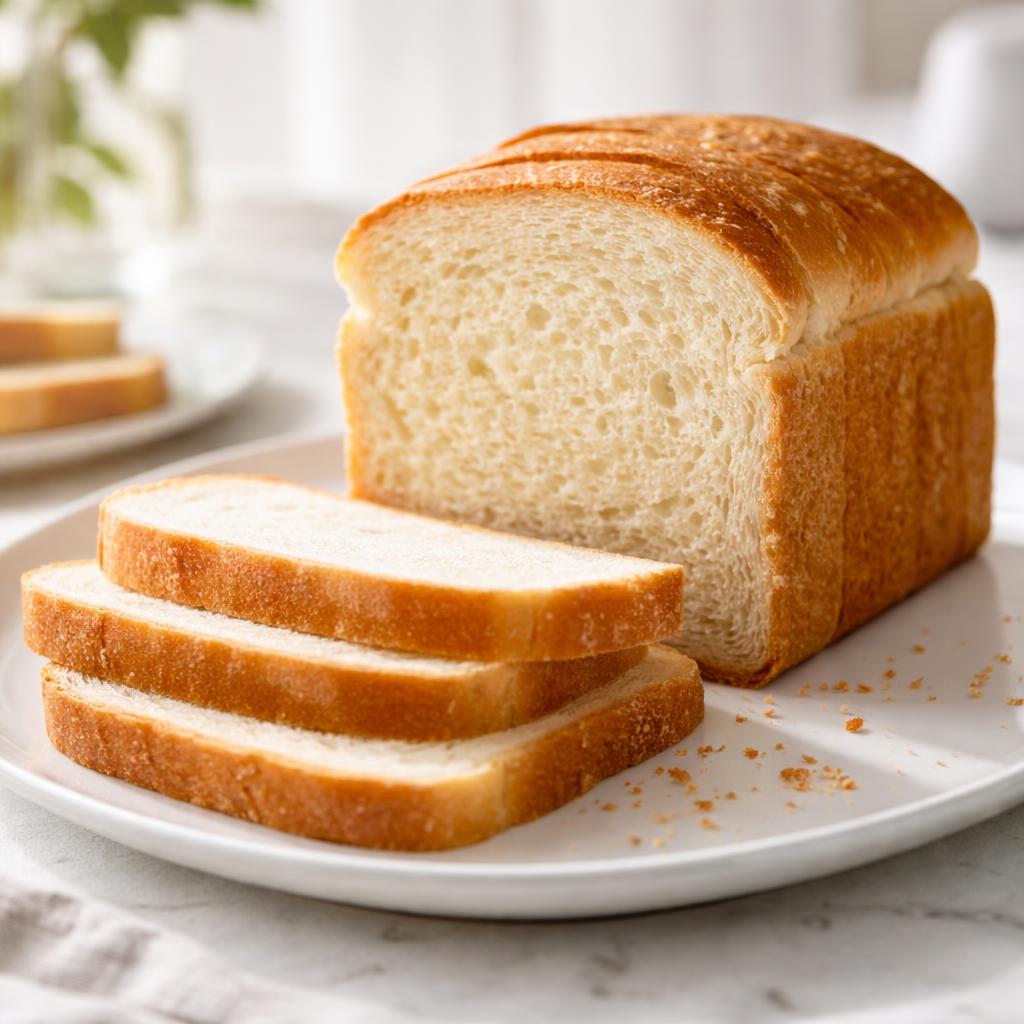
White Bread

Toasted Bread
🎯 Quick Verdict
White bread and toasted bread share nearly identical nutritional profiles, as the toasting process primarily alters texture and slightly reduces water content without significantly changing macros or micronutrient values. Both are versatile options for quick energy, although not particularly nutrient-rich compared to whole-grain bread alternatives.

Smart Nutrition Tracking with SnapCalorie

📊 Nutritional Comparison
Macronutrients
| Nutrient | Food 1 | Food 2 | Winner |
|---|---|---|---|
| Calories | 80 per slice | 80 per slice | − |
| Protein | 2g | 2g | − |
| Carbs | 15g | 15g | − |
| Fat | 1g | 1g | − |
| Fiber | 0.5g | 0.5g | − |
Vitamins & Minerals
| Nutrient | Food 1 | Food 2 | Winner |
|---|---|---|---|
| Vitamin D | 0mcg | 0mcg | − |
| Calcium | 30mg | 30mg | − |
| Iron | 0.5mg | 0.5mg | − |
🏆 Category Winners
Protein
Both options have identical protein content per slice (2g).
Fiber
There is no significant difference in fiber content (0.5g per slice).
Calories
Both options deliver the same calories (80 per slice).
🥗 Diet Compatibility
Keto
Food 1: Not Compatible
Food 2: Not Compatible
Both foods are high in carbohydrates, making them unsuitable for keto diets.
Vegan
Food 1: Compatible
Food 2: Compatible
Neither contains any animal-based ingredients, making them suitable for vegan diets.
Gluten Free
Food 1: Not Compatible
Food 2: Not Compatible
Both foods contain gluten due to their wheat content.
Paleo
Food 1: Not Compatible
Food 2: Not Compatible
Bread products are excluded from a paleo diet as they are processed foods.
Low Carb
Food 1: Not Compatible
Food 2: Not Compatible
With 15g of carbs per slice, neither is suitable for a low-carb diet.
💪 Health Benefits Comparison
Food 1 Benefits
- Provides quick energy due to its carbohydrate content
- Easy to digest for individuals with sensitive stomachs
- Versatile base for a wide variety of meals and snacks
Food 2 Benefits
- Slightly reduced moisture content can make it easier to digest
- Crispy texture enhances sensory appeal and versatility in recipes
- Provides the same quick energy benefits as white bread
✅ The Bottom Line
White bread and toasted bread have identical nutritional profiles, making the choice a matter of personal preference for texture and application in specific recipes. Toasted bread's dryer texture can be better for certain toppings like spreads, while white bread is softer and works well for sandwiches or as-is.
Choose Food 1 for: Soft sandwiches, quick energy snacks, easy digestion
Choose Food 2 for: Toasted breakfasts (e.g., with avocado), sensory appeal, pairing with spreads


