White Bread VS Seafood Pasta
A detailed nutritional comparison
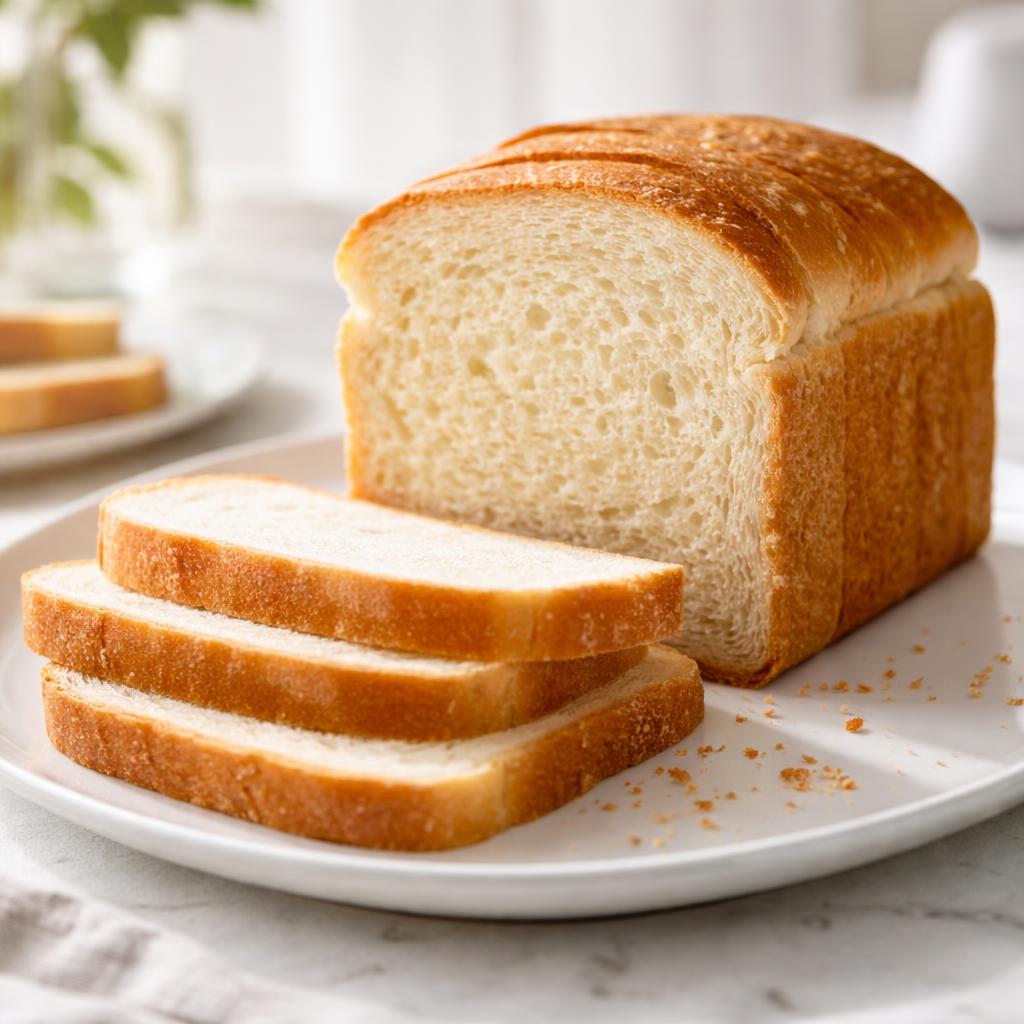
White Bread
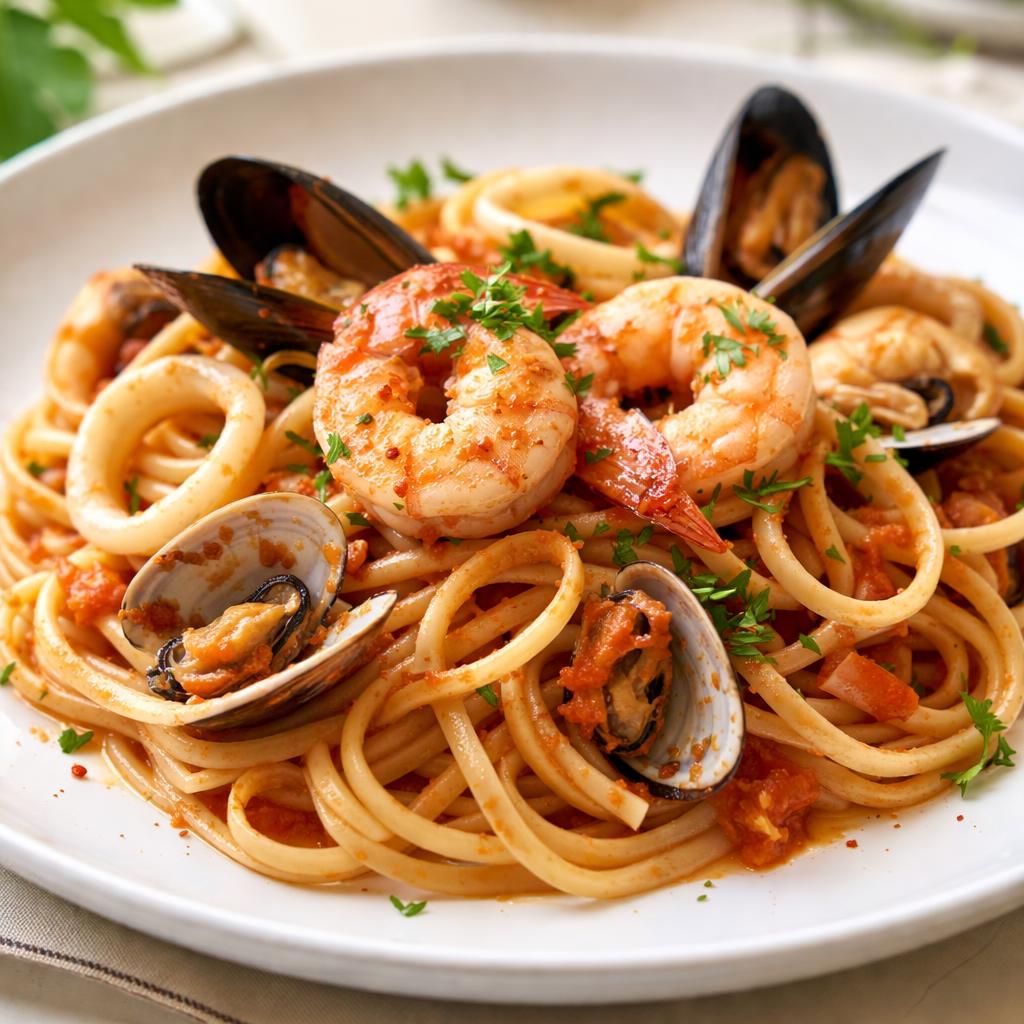
Seafood Pasta
🎯 Quick Verdict
Seafood pasta (Food 2) is nutritionally richer, offering significantly higher protein and providing essential vitamins like B12 and omega-3 fatty acids not present in white bread (Food 1). White bread is lower in calories and ideal for quick, simple meals, while seafood pasta supports more balanced and nutrient-dense eating, suitable for active lifestyles and nutrient optimization.

Smart Nutrition Tracking with SnapCalorie

📊 Nutritional Comparison
Macronutrients
| Nutrient | Food 1 | Food 2 | Winner |
|---|---|---|---|
| Calories | 79 per slice (30g) | 320 per cup (200g) | ✓ |
| Protein | 2.6g per slice | 14g per cup | ✓ |
| Carbs | 14.5g per slice | 40g per cup | ✓ |
| Fat | 0.6g per slice | 12g per cup | ✓ |
| Fiber | 0.8g per slice | 1.6g per cup | − |
Vitamins & Minerals
| Nutrient | Food 1 | Food 2 | Winner |
|---|---|---|---|
| Vitamin B12 | 0mcg | 2mcg | ✓ |
| Omega-3 fatty acids | 0g | 0.4g | ✓ |
| Iron | 0.4mg | 2mg | ✓ |
| Calcium | 25mg | 50mg | ✓ |
🏆 Category Winners
Protein
Seafood pasta offers over 5x more protein per serving than white bread.
Fiber
Both provide small amounts of fiber, with no significant difference.
Calories
White bread is lower in calories by a significant margin, making it a lighter option.
Vitamins
Seafood pasta contains diverse vitamins like B12, omega-3s, and iron that are lacking in white bread.
🥗 Diet Compatibility
Keto
Food 1: Not Compatible
Food 2: Not Compatible
Both foods are high in carbs, which makes them unsuitable for keto diets.
Vegan
Food 1: Compatible
Food 2: Not Compatible
White bread is plant-based, while seafood pasta includes animal-based ingredients.
Gluten Free
Food 1: Not Compatible
Food 2: Not Compatible
Both foods contain gluten from white flour or pasta.
Paleo
Food 1: Not Compatible
Food 2: Not Compatible
Neither food aligns with paleo principles due to processed grains and pasta inclusion.
Low-Carb
Food 1: Not Compatible
Food 2: Not Compatible
Both foods have high carbohydrate content and do not fit low-carb dietary needs.
💪 Health Benefits Comparison
Food 1 Benefits
- Quick energy source due to high carb content
- Low in fat, making it lighter for digestion
- Can be fortified with iron or folic acid in certain brands
Food 2 Benefits
- Rich in protein for maintaining muscle and supporting tissue repair
- Source of omega-3 fatty acids for heart and brain health
- High in vitamins like B12 and iron for red blood cell production
✅ The Bottom Line
Choose white bread for lightweight, quick meals or as an easy snack, especially for calorie-conscious diets. Opt for seafood pasta if you want a complete meal with robust protein, healthy fats, and vital nutrients, particularly for active individuals or those prioritizing nutrient density.
Choose Food 1 for: Simple breakfasts, budget-friendly meals, calorie-conscious diets
Choose Food 2 for: Post-workout recovery, balanced diets, nutrient-rich meals


