White Bread VS Plain Rice
A detailed nutritional comparison
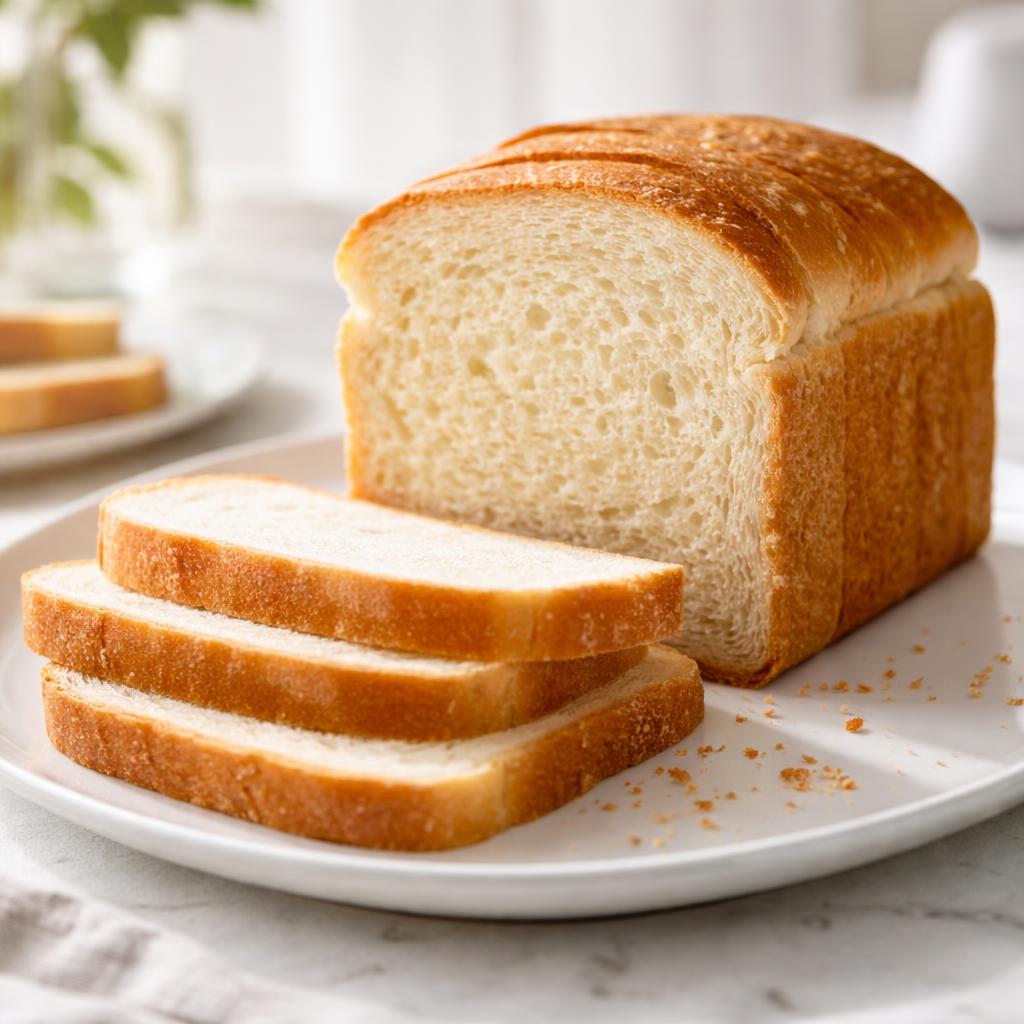
White Bread
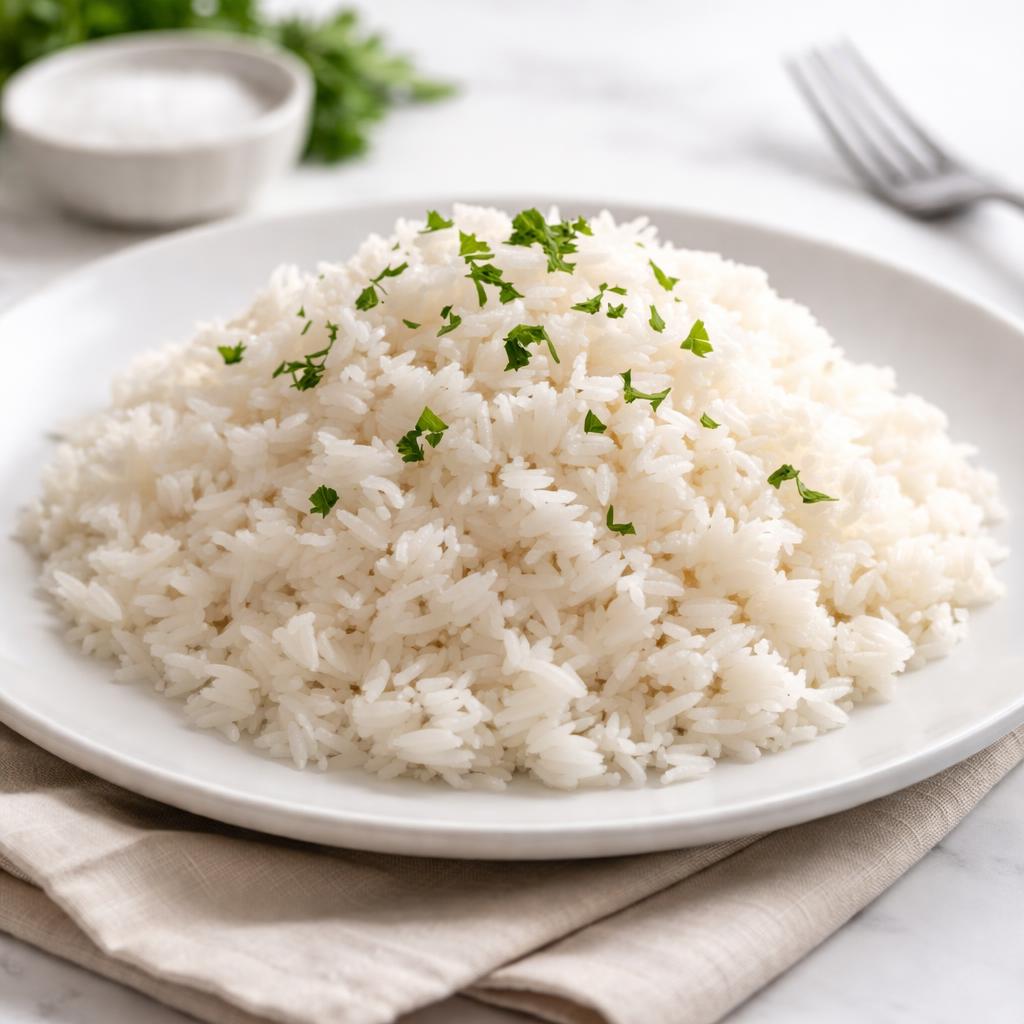
Plain Rice
🎯 Quick Verdict
White bread generally contains more protein and fiber per serving compared to plain rice, making it more filling and suitable for digestive health. Plain rice, being gluten-free and low in fiber, is better for those with gluten sensitivities or needing an easily digestible carb source. Both foods have similar calorie counts, but their macronutrient distribution differs significantly.

Smart Nutrition Tracking with SnapCalorie

📊 Nutritional Comparison
Macronutrients
| Nutrient | Food 1 | Food 2 | Winner |
|---|---|---|---|
| Calories | 150 | 150 | − |
| Protein | 5g | 2g | − |
| Carbs | 28g | 33g | − |
| Fat | 1g | 0g | − |
| Fiber | 1g | 0g | − |
Vitamins & Minerals
| Nutrient | Food 1 | Food 2 | Winner |
|---|---|---|---|
| Vitamin D | 0mcg | 0mcg | − |
| Calcium | 100mg | 10mg | − |
| Iron | 1mg | 0.2mg | − |
🏆 Category Winners
Protein
White bread provides more than double the protein of plain rice.
Fiber
White bread contains 1g of fiber per serving, while rice is negligible in fiber.
Calories
Both foods provide about 150 calories per serving.
Vitamins
White bread is fortified with calcium and iron, both of which are lacking in plain rice.
🥗 Diet Compatibility
Keto
Food 1: Not Compatible
Food 2: Not Compatible
Both are high in carbs and do not align with keto diet requirements.
Vegan
Food 1: Compatible
Food 2: Compatible
Both foods are plant-based and free of animal-derived ingredients.
Gluten Free
Food 1: Not Compatible
Food 2: Compatible
White bread contains gluten, whereas plain rice is naturally gluten-free.
Paleo
Food 1: Not Compatible
Food 2: Compatible
White bread is processed and not paleo-friendly, while plain rice aligns with paleo principles as a whole food.
Low Carb
Food 1: Not Compatible
Food 2: Not Compatible
Both foods are high-carb options unsuitable for low-carb diets.
💪 Health Benefits Comparison
Food 1 Benefits
Food 2 Benefits
✅ The Bottom Line
White bread is a better option for boosting protein and fiber intake, but it is not suitable for gluten-free or paleo diets. Plain rice is a simple and gluten-free carb choice, making it ideal for those with dietary sensitivities or needing an easily digestible option.


