White Bread VS Grain Bread
A detailed nutritional comparison
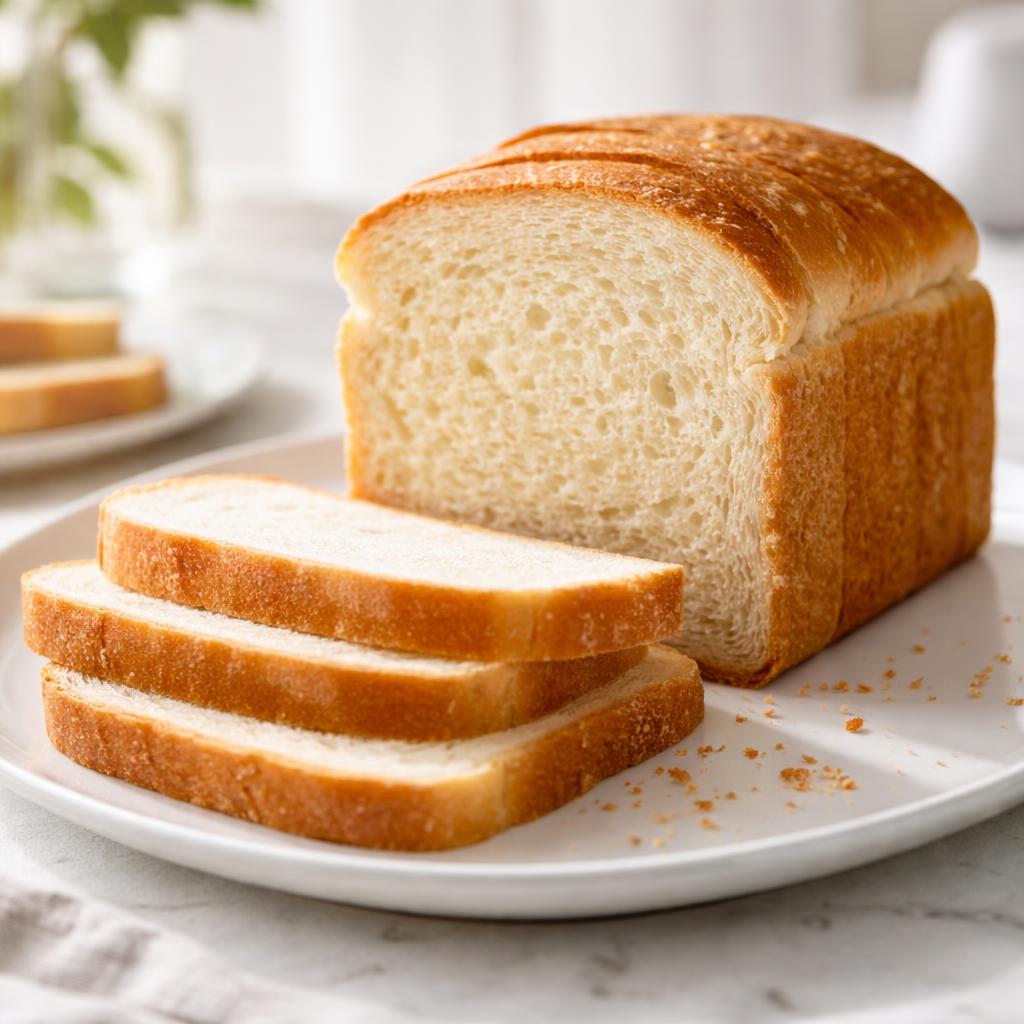
White Bread
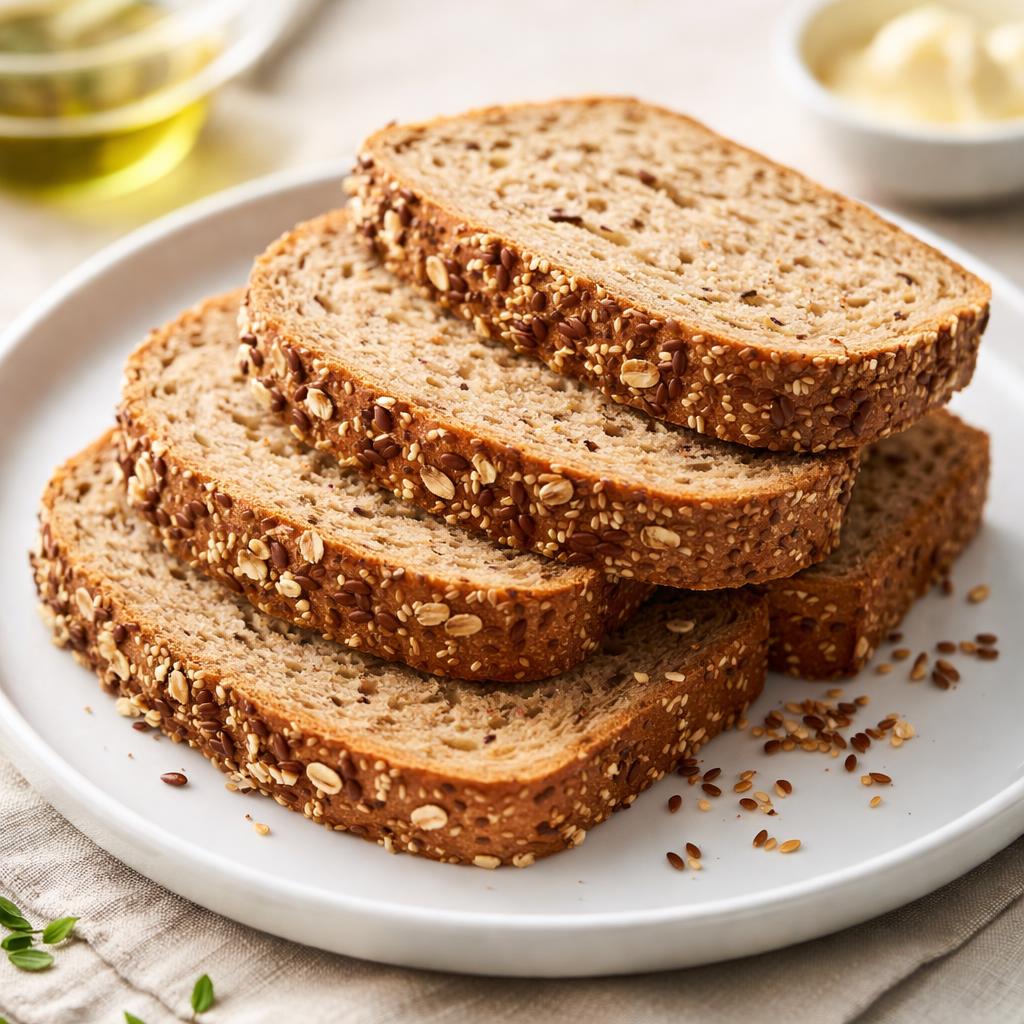
Grain Bread
🎯 Quick Verdict
Grain bread outshines white bread nutritionally by offering more protein, significantly more fiber, fewer calories, and improved micronutrient density. White bread remains an option for quick energy but lacks the complex nutrients provided by grain bread, making the latter better for overall health and sustained energy levels.

Smart Nutrition Tracking with SnapCalorie

📊 Nutritional Comparison
Macronutrients
| Nutrient | Food 1 | Food 2 | Winner |
|---|---|---|---|
| Calories | 79 | 69 | ✓ |
| Protein | 2g | 5g | ✓ |
| Carbs | 14g | 12g | ✓ |
| Fat | 0.8g | 1g | ✓ |
| Fiber | 0.5g | 3g | ✓ |
Vitamins & Minerals
| Nutrient | Food 1 | Food 2 | Winner |
|---|---|---|---|
| Vitamin B6 | 0.02mg | 0.08mg | ✓ |
| Magnesium | 6mg | 25mg | ✓ |
| Iron | 0.6mg | 1.5mg | ✓ |
🏆 Category Winners
Protein
Grain bread provides over double the protein per serving.
Fiber
Grain bread has six times more fiber than white bread.
Calories
Grain bread contains about 12% fewer calories per slice.
Vitamins
Grain bread is richer in essential minerals like magnesium and iron.
🥗 Diet Compatibility
Keto
Food 1: Not Compatible
Food 2: Not Compatible
Both are high in carbohydrates and unsuitable for ketogenic diets.
Vegan
Food 1: Compatible
Food 2: Compatible
Both breads are plant-based and vegan-friendly.
Gluten Free
Food 1: Not Compatible
Food 2: Not Compatible
Both contain gluten and are unsuitable for gluten-free diets.
Paleo
Food 1: Not Compatible
Food 2: Not Compatible
Neither aligns with paleo guidelines due to grain content.
Low-Carb
Food 1: Not Compatible
Food 2: Not Compatible
Both contain moderate to high amounts of carbohydrates, unsuitable for low-carb diets.
💪 Health Benefits Comparison
Food 1 Benefits
- Quick source of energy due to simple carbohydrates
- Fortified with basic vitamins (often B-vitamins)
- Easily digestible for those with sensitive stomachs
Food 2 Benefits
- Rich in fiber for improved digestion and satiety
- Higher protein for muscle maintenance
- Provides essential minerals like magnesium and iron for overall health
✅ The Bottom Line
For better nutrition, grain bread is the superior option with more protein, fiber, and lower calorie density. White bread may work for quick energy needs or as part of a meal when nutrient density is not the priority.
Choose Food 1 for: Quick energy, light snacks, cost-effective options
Choose Food 2 for: Sustained energy, health-conscious diets, improving digestion and nutrient intake


