White Bread VS Gluten-Free Bread
A detailed nutritional comparison
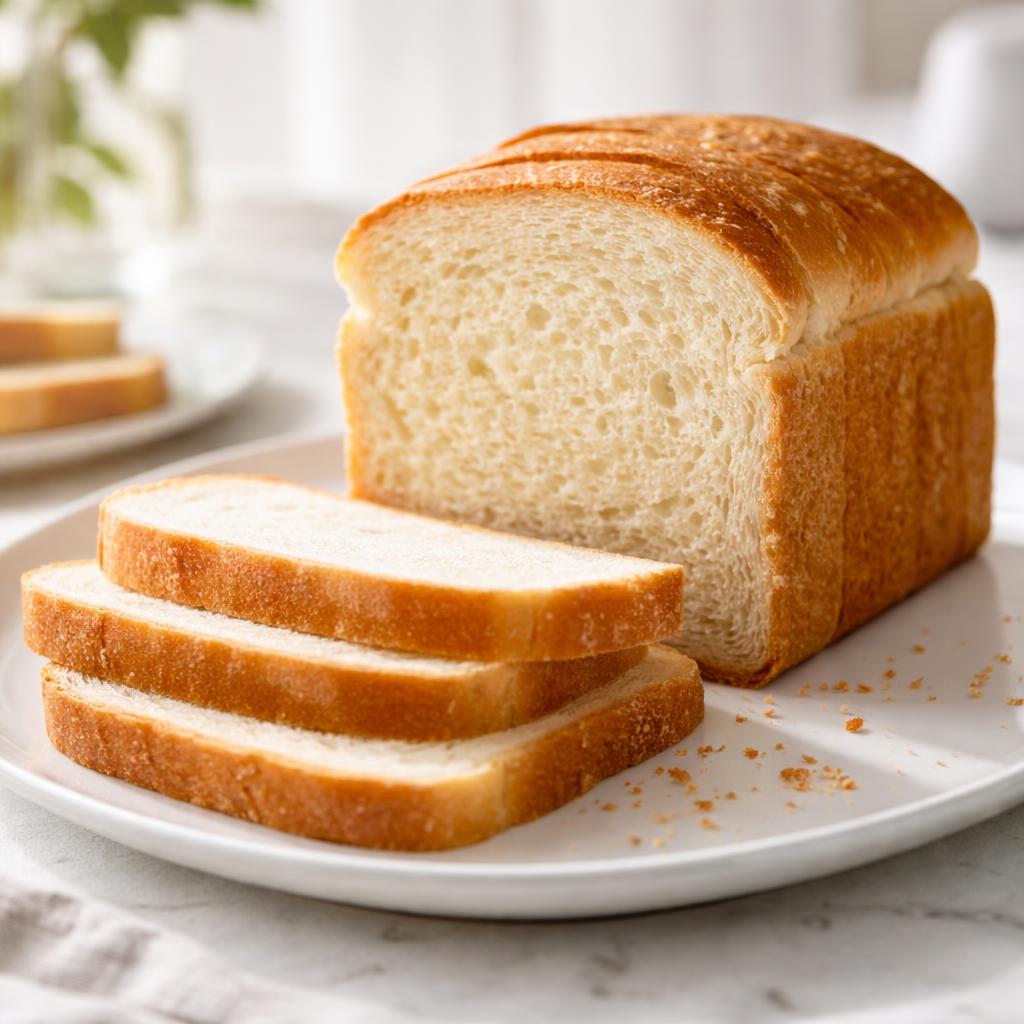
White Bread
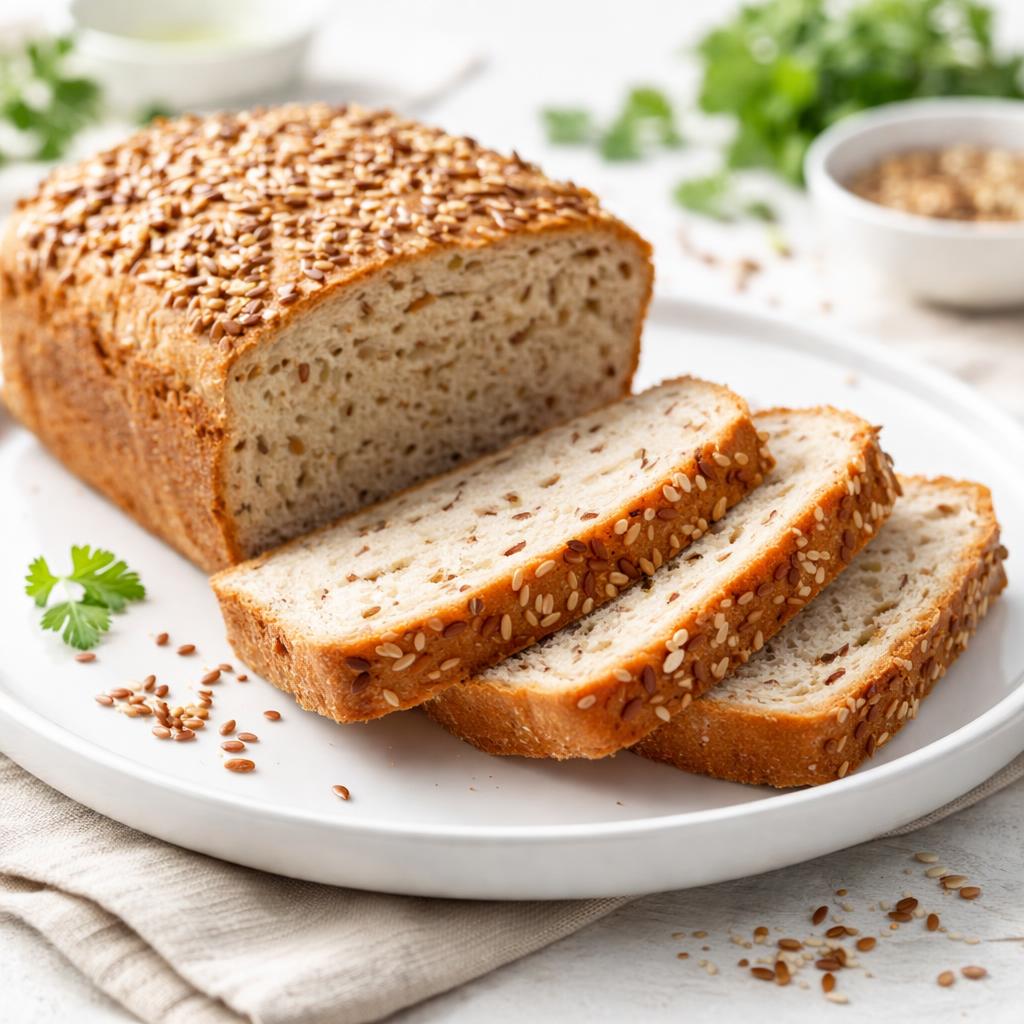
Gluten-Free Bread
🎯 Quick Verdict
White bread and gluten-free bread have notable nutritional differences. Gluten-free bread tends to have more fiber and may be suitable for those with gluten intolerance or Celiac disease. However, white bread is often fortified with additional vitamins, and its texture can make it preferable in various recipes. Both breads have similar calorie counts per serving, but gluten-free bread usually has a more nutrient-dense profile overall.

Smart Nutrition Tracking with SnapCalorie

📊 Nutritional Comparison
Macronutrients
| Nutrient | Food 1 | Food 2 | Winner |
|---|---|---|---|
| Calories | 79 (per slice, 25g) | 80 (per slice, 28g) | − |
| Protein | 2g | 2g | − |
| Carbs | 14g | 15g | − |
| Fat | 1g | 2g | − |
| Fiber | 0.6g | 2g | − |
Vitamins & Minerals
| Nutrient | Food 1 | Food 2 | Winner |
|---|---|---|---|
| Vitamin D | 0mcg | 0mcg | − |
| Calcium | 16mg | 22mg | − |
| Iron | 2mg (fortified) | 0.5mg | − |
🏆 Category Winners
Protein
Both provide equal amounts of protein (2g per slice).
Fiber
Gluten-free bread has significantly more fiber (2g vs 0.6g).
Calories
Both breads have similar calorie counts per slice, making them equal in this regard.
🥗 Diet Compatibility
Keto
Food 1: Not Compatible
Food 2: Not Compatible
Both are high in carbohydrates, making them unsuitable for keto diets.
Vegan
Food 1: Depends on ingredients
Food 2: Depends on ingredients
Both can be vegan, but check for non-vegan additives (e.g., dairy or eggs).
Gluten Free
Food 1: Not Compatible
Food 2: Compatible
Gluten-free bread is specifically made without gluten, unlike white bread.
Paleo
Food 1: Not Compatible
Food 2: Not Compatible
Neither is paleo-friendly due to processed grains and ingredients.
Low Carb
Food 1: Not Compatible
Food 2: Not Compatible
Both contain a moderate to high amount of carbs per slice.
💪 Health Benefits Comparison
Food 1 Benefits
- Affordable and widely available
- Fortified with essential nutrients like iron
- Soft texture suitable for sandwiches and recipes
Food 2 Benefits
- Suitable for gluten-sensitive individuals
- Higher in fiber, promoting digestive health
- Often made with whole or alternative grains for nutrient variety
✅ The Bottom Line
Choose gluten-free bread if you require gluten-free options or need fiber-rich options. Opt for white bread for affordability and fortified iron in diets where simplicity and accessibility are priorities.
Choose Food 1 for: Simple sandwiches, recipes requiring soft bread texture, fortified nutritional needs
Choose Food 2 for: Gluten-sensitive individuals, higher fiber diets, nutrient-dense bread alternatives


