White Bread VS French Bread
A detailed nutritional comparison
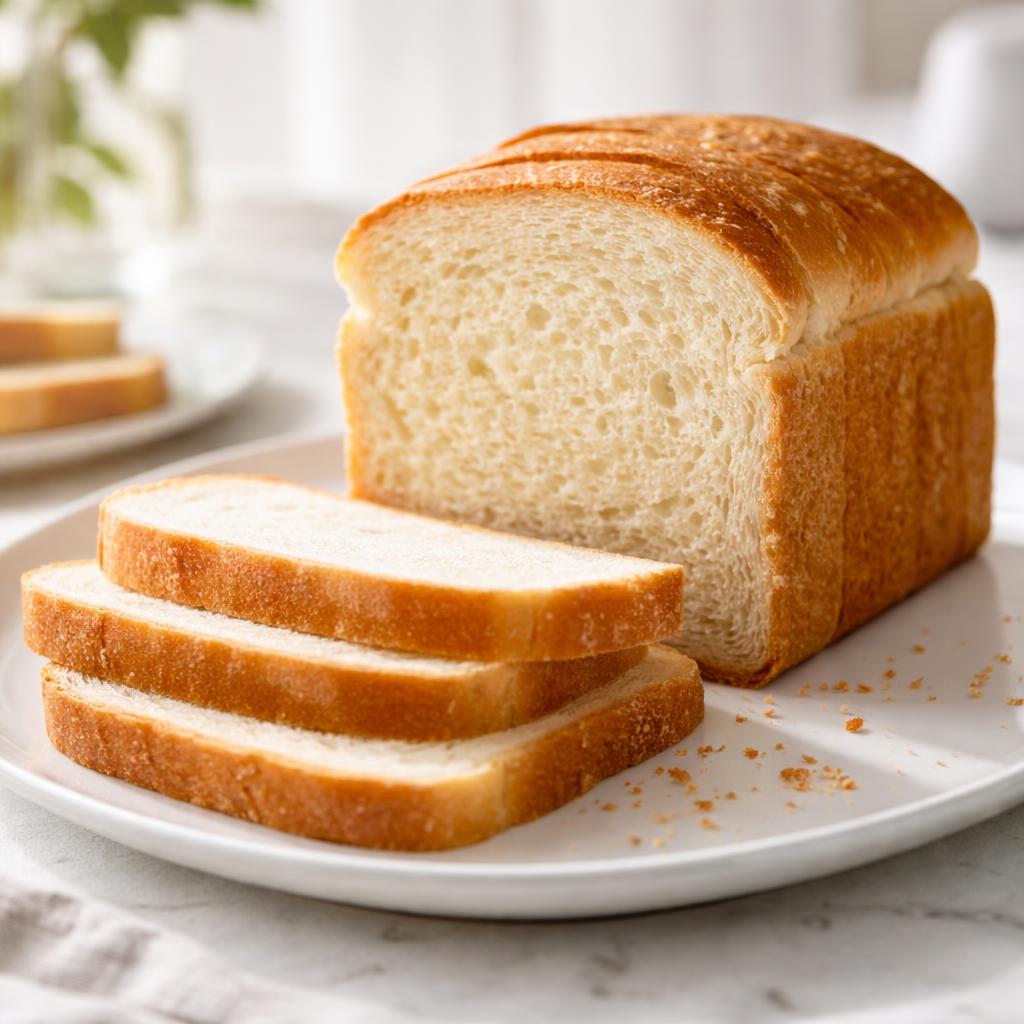
White Bread

French Bread
🎯 Quick Verdict
White bread and French bread share many similarities in macronutrient composition but French bread generally contains fewer calories per serving. While protein and fiber content are fairly similar, French bread is a better option for those tracking calories. White bread contains slightly more carbohydrates and is often fortified with additional vitamins not naturally present in French bread.

Smart Nutrition Tracking with SnapCalorie

📊 Nutritional Comparison
Macronutrients
| Nutrient | Food 1 | Food 2 | Winner |
|---|---|---|---|
| Calories | 100 | 80 | ✓ |
| Protein | 3g | 3g | − |
| Carbs | 19g | 15g | ✓ |
| Fat | 1g | 0.5g | ✓ |
| Fiber | 1g | 1g | − |
Vitamins & Minerals
| Nutrient | Food 1 | Food 2 | Winner |
|---|---|---|---|
| Vitamin B6 | 0.04mg | 0.02mg | ✓ |
| Niacin | 2mg | 1.5mg | ✓ |
| Folate | 48mcg | 30mcg | ✓ |
| Iron | 1mg | 0.7mg | ✓ |
🏆 Category Winners
Protein
Both provide 3g of protein per serving.
Fiber
Both contain 1g of fiber per serving.
Calories
French bread has 20% fewer calories per serving than white bread.
Vitamins
White bread contains higher amounts of B vitamins and iron due to fortification.
🥗 Diet Compatibility
Keto
Food 1: Not Compatible
Food 2: Not Compatible
Both are high in carbohydrates (15-19g per serving).
Vegan
Food 1: Compatible
Food 2: Compatible
Neither product contains animal-based ingredients.
Gluten Free
Food 1: Not Compatible
Food 2: Not Compatible
Both are made from wheat flour containing gluten.
Paleo
Food 1: Not Compatible
Food 2: Not Compatible
Both are grain-based products, which are not paleo-friendly.
Low Carb
Food 1: Not Compatible
Food 2: Not Compatible
Both are carb-dense foods unsuitable for low-carb diets.
💪 Health Benefits Comparison
Food 1 Benefits
- Often fortified with B vitamins like folate, niacin, and iron.
- Provides quick energy due to higher carbohydrate content.
- Mild flavor pairs well with a variety of toppings.
Food 2 Benefits
- Lower in calories per serving compared to white bread.
- Typically made with fewer additives and preservatives.
- Crunchy texture and lower fat content make it more versatile.
✅ The Bottom Line
White bread is a better choice if you're looking for higher vitamin content due to fortification, whereas French bread is preferable for those watching calorie intake. Both breads have similar protein and fiber content, but French bread is cleaner in ingredients and slightly lower in carbs and fat.
Choose Food 1 for: Fortified diets, quick energy, pairing with spreads
Choose Food 2 for: Calorie-conscious diets, lighter meals, clean eating


