White Bread VS Bread With Spread
A detailed nutritional comparison
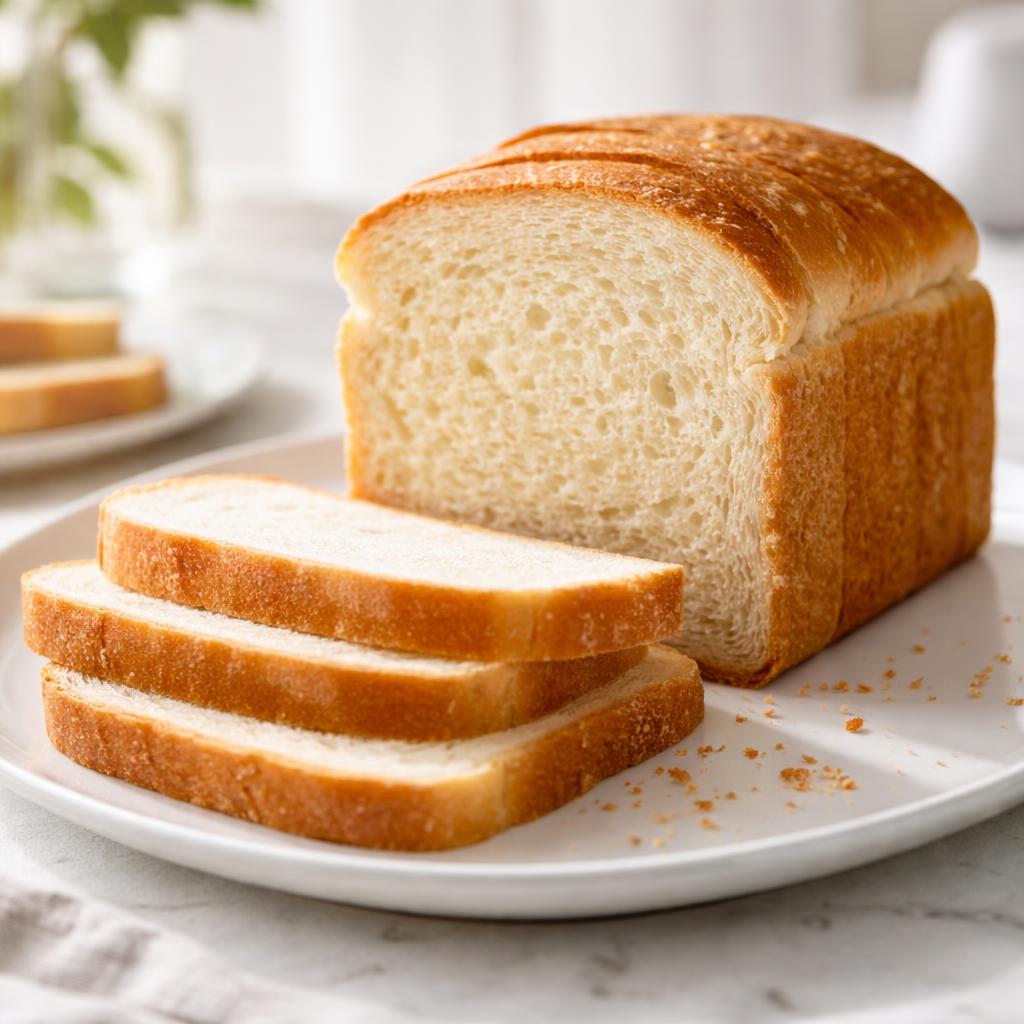
White Bread

Bread With Spread
🎯 Quick Verdict
White bread is lower in calories and simpler in composition, making it suitable for quick energy but less nutrient-dense. Bread with spread, typically paired with peanut butter or other nutrient-rich spreads, has higher protein, fiber, and healthy fats, making it better for sustained energy and overall nutrition. Choose white bread for lighter meals and bread with spread for more balanced options.

Smart Nutrition Tracking with SnapCalorie

📊 Nutritional Comparison
Macronutrients
| Nutrient | Food 1 | Food 2 | Winner |
|---|---|---|---|
| Calories | 80 | 200 | ✓ |
| Protein | 2g | 8g | ✓ |
| Carbs | 15g | 25g | ✓ |
| Fat | 1g | 10g | ✓ |
| Fiber | 0.5g | 4g | ✓ |
Vitamins & Minerals
| Nutrient | Food 1 | Food 2 | Winner |
|---|---|---|---|
| Vitamin D | 0mcg | 0mcg | − |
| Calcium | 30mg | 100mg | ✓ |
| Iron | 0.5mg | 1.5mg | ✓ |
🏆 Category Winners
Protein
Bread with spread contains four times more protein than white bread.
Fiber
Bread with spread has 8x more fiber, aiding digestion.
Calories
White bread is 60% lower in calories than bread with spread.
🥗 Diet Compatibility
Keto
Food 1: Not Compatible
Food 2: Not Compatible
Both are higher in carbs, unsuitable for keto.
Vegan
Food 1: Compatible
Food 2: Compatible
Both foods can be vegan depending on the spread used (e.g., peanut butter).
Gluten Free
Food 1: Not Compatible
Food 2: Not Compatible
Neither option is gluten-free unless made with gluten-free bread.
Paleo
Food 1: Not Compatible
Food 2: Not Compatible
Both foods are grain-based, not allowed on a paleo diet.
Low-Carb
Food 1: Not Compatible
Food 2: Not Compatible
Both foods are relatively high-carb, with bread being a primary carb source.
💪 Health Benefits Comparison
Food 1 Benefits
- Provides quick energy due to simple carbohydrates
- Low-calorie option for portion control
- Fortified with basic nutrients like iron and thiamine
Food 2 Benefits
- Higher protein for muscle support
- Contains healthy fats supporting heart health (depends on spread)
- Rich in fiber for digestive health
- More nutrient-dense with added vitamins and minerals
✅ The Bottom Line
White bread is best for quick, low-calorie meals or snacks, while bread with spread is better for balanced, nutrient-rich options that keep you fuller longer. Choose based on your dietary needs and activity levels.
Choose Food 1 for: Light meals, quick energy, weight management
Choose Food 2 for: Balanced breakfasts, sustained energy, post-workout recovery


