Wheat Toast VS Sourdough Rye Bread
A detailed nutritional comparison
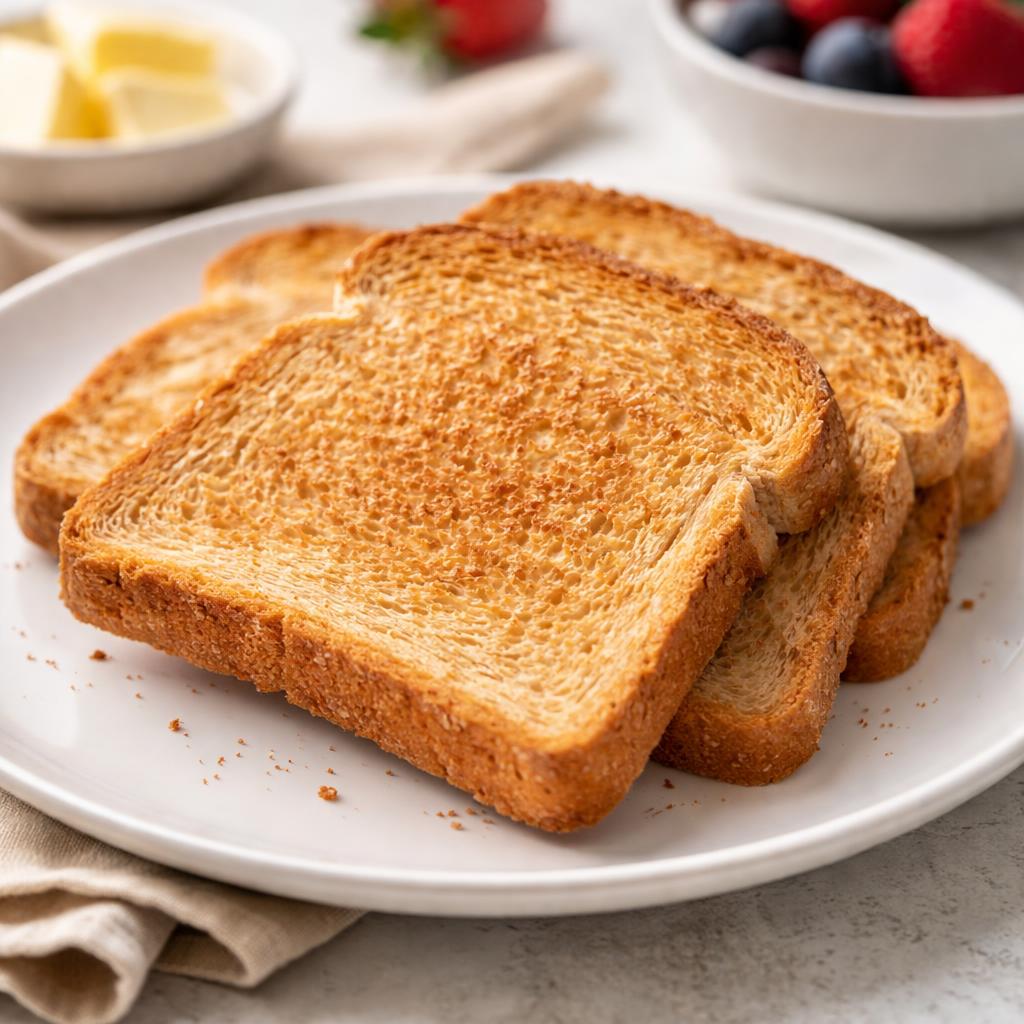
Wheat Toast
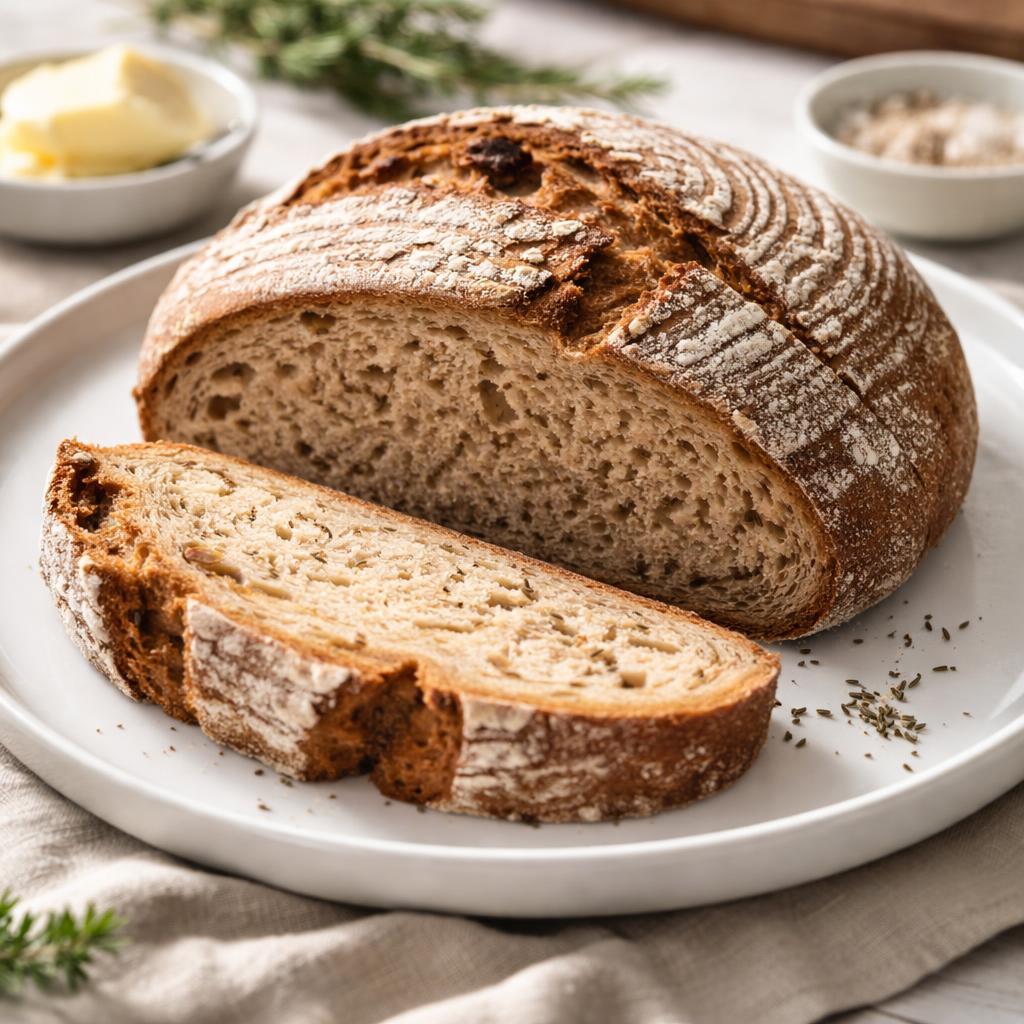
Sourdough Rye Bread
🎯 Quick Verdict
Sourdough rye bread generally outperforms wheat toast with its lower calories, higher fiber, and superior vitamin content. Wheat toast, however, provides slightly more protein, making it useful for muscle maintenance. Choose sourdough rye for heart health and digestion and wheat toast for a protein boost in energy-packed meals.

Smart Nutrition Tracking with SnapCalorie

📊 Nutritional Comparison
Macronutrients
| Nutrient | Food 1 | Food 2 | Winner |
|---|---|---|---|
| Calories | 80 cal per slice | 60 cal per slice | ✓ |
| Protein | 4g | 3g | ✓ |
| Carbs | 15g | 12g | ✓ |
| Fat | 1g | 0.5g | ✓ |
| Fiber | 2g | 3g | ✓ |
Vitamins & Minerals
| Nutrient | Food 1 | Food 2 | Winner |
|---|---|---|---|
| Vitamin B1 (Thiamin) | 0.1mg | 0.2mg | ✓ |
| Magnesium | 10mg | 15mg | ✓ |
| Iron | 0.8mg | 1mg | ✓ |
🏆 Category Winners
Protein
Wheat toast contains 33% more protein, beneficial for muscle health.
Fiber
Sourdough rye bread has 50% more fiber, aiding in digestion and satiety.
Calories
With just 60 calories per slice, sourdough rye is lighter for weight management.
🥗 Diet Compatibility
Keto
Food 1: Not Compatible
Food 2: Not Compatible
Both are higher-carb and unsuitable for keto diets.
Vegan
Food 1: Compatible
Food 2: Compatible
Made from plants, both align with vegan diets.
Gluten Free
Food 1: Not Compatible
Food 2: Not Compatible
Both contain gluten from wheat and rye.
Paleo
Food 1: Not Compatible
Food 2: Not Compatible
Processed grains like wheat and rye are not paleo-allowed.
Low-Carb
Food 1: Not Compatible
Food 2: Moderately Compatible
Sourdough rye has fewer carbs than wheat toast but is still not strictly low-carb.
💪 Health Benefits Comparison
Food 1 Benefits
- Provides a modest amount of protein for muscle maintenance
- Low in fat, suitable for calorie-conscious diets
- Contains iron for oxygen transport in the body
Food 2 Benefits
- Higher fiber content promotes digestive health
- Rich in magnesium for muscle and nerve function
- Lower calorie count helps with weight control
✅ The Bottom Line
Choose sourdough rye bread for better digestion, weight management, and overall nutrient content. Opt for wheat toast if you need higher protein intake or are looking for a quick energy source. Both complement balanced diets and suit plant-based preferences.
Choose Food 1 for: Post-workout meals, protein-focused diets, quick energy boost
Choose Food 2 for: Weight management, improved digestion, heart-healthy routines


