Wheat Bread VS Rice Paper
A detailed nutritional comparison
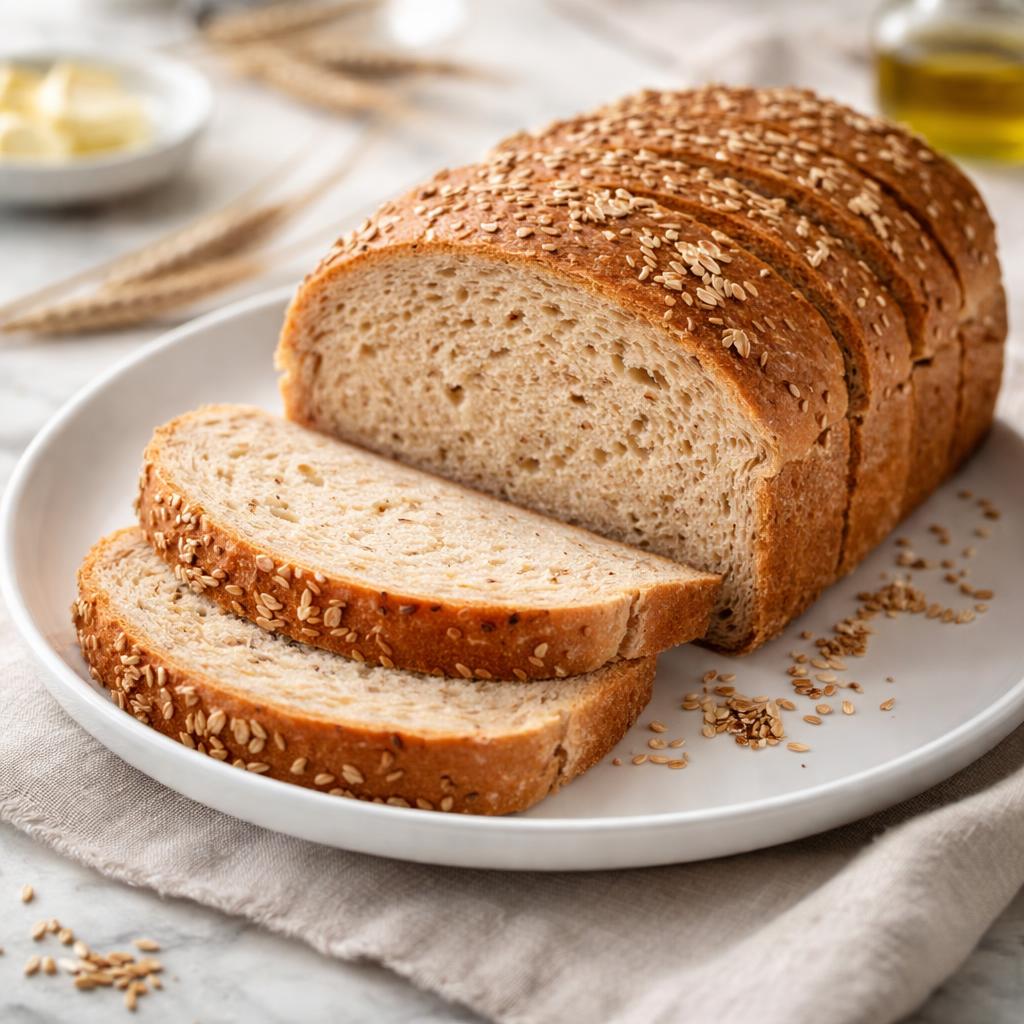
Wheat Bread
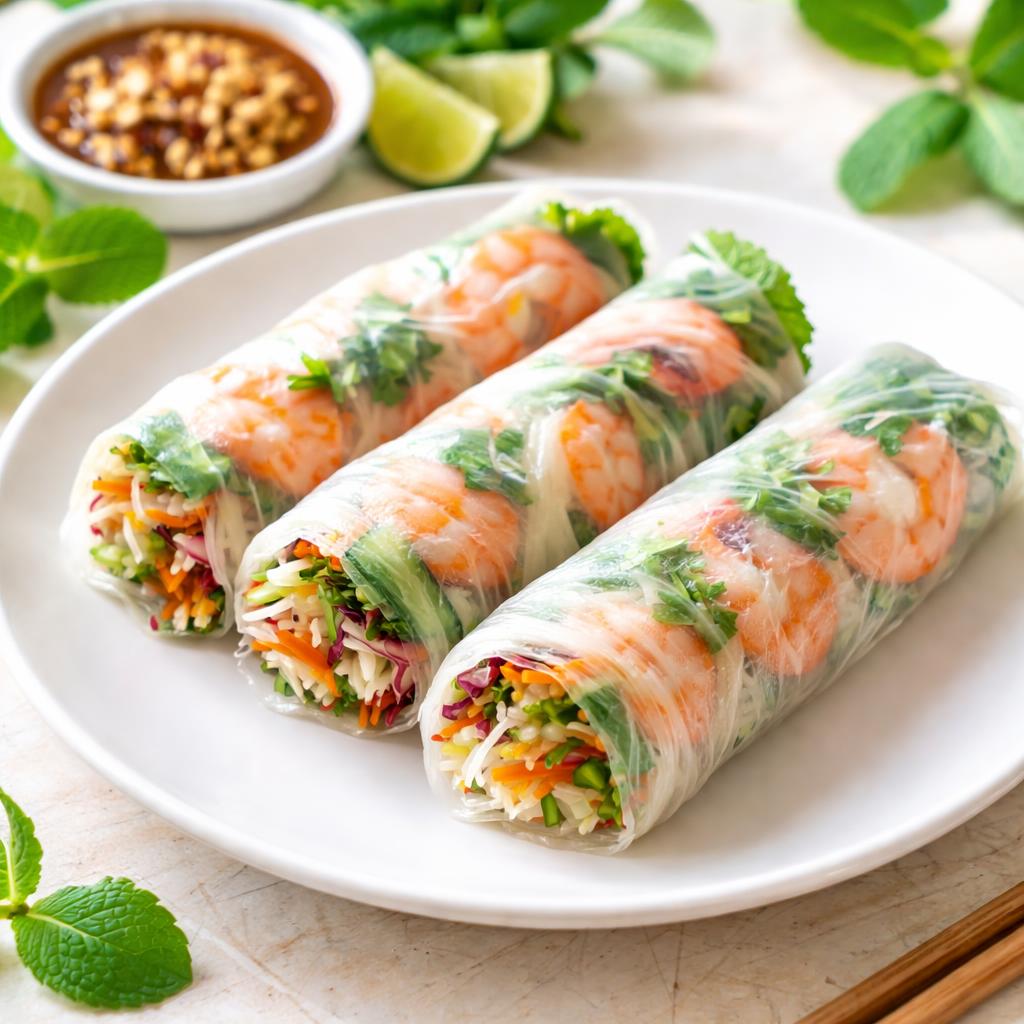
Rice Paper
🎯 Quick Verdict
Wheat bread has higher protein, fiber, and micronutrients compared to rice paper, making it more filling and nutrient-dense. Rice paper, on the other hand, is significantly lower in calories and carbohydrates, making it a lighter option for low-calorie diets and wraps. Choose wheat bread for everyday nutrition and rice paper for delicate, low-carb dishes like spring rolls.

Smart Nutrition Tracking with SnapCalorie

📊 Nutritional Comparison
Macronutrients
| Nutrient | Food 1 | Food 2 | Winner |
|---|---|---|---|
| Calories | 80 per slice | 35 per sheet | − |
| Protein | 4g | 0.5g | − |
| Carbs | 15g | 8g | − |
| Fat | 1g | 0g | − |
| Fiber | 2g | 0.2g | − |
Vitamins & Minerals
| Nutrient | Food 1 | Food 2 | Winner |
|---|---|---|---|
| Vitamin B6 | 0.1mg | 0mg | − |
| Iron | 1mg | 0mg | − |
| Calcium | 25mg | 5mg | − |
🏆 Category Winners
Protein
Wheat bread has 8 times more protein than rice paper per serving.
Fiber
Wheat bread contains significantly more dietary fiber, aiding digestion.
Calories
Rice paper is less calorie-dense, ideal for light meals or snacks.
Vitamins
Wheat bread has better overall vitamin and mineral content.
🥗 Diet Compatibility
Keto
Food 1: Not Compatible
Food 2: Compatible
Rice paper is low-carb, while wheat bread contains higher carbohydrates.
Vegan
Food 1: Compatible
Food 2: Compatible
Both foods are plant-based and suitable for vegans.
Gluten Free
Food 1: Not Compatible
Food 2: Compatible
Wheat bread contains gluten, while rice paper is naturally gluten-free.
Paleo
Food 1: Not Compatible
Food 2: Compatible
Rice paper aligns better with paleo diets due to its simpler ingredient list.
Low Carb
Food 1: Not Compatible
Food 2: Compatible
Rice paper has significantly fewer carbs than wheat bread.
💪 Health Benefits Comparison
Food 1 Benefits
- Provides energy and micronutrients for daily activities
- Good source of fiber to support digestion and gut health
- Contains iron and B vitamins for better red blood cell production
Food 2 Benefits
- Highly versatile for wraps and low-carb dishes
- Low-calorie option for weight management
- Naturally gluten-free, suitable for people with gluten intolerance
✅ The Bottom Line
Choose wheat bread for sustained energy, fiber, and balanced nutrition. Use rice paper for low-calorie, low-carb dishes, especially if you need something gluten-free or paleo-friendly.
Choose Food 1 for: Daily meals, fiber-rich diets, balanced nutrition
Choose Food 2 for: Spring rolls, low-carb wraps, gluten-free diets


