Vermicelli Noodles VS Raw Rice
A detailed nutritional comparison
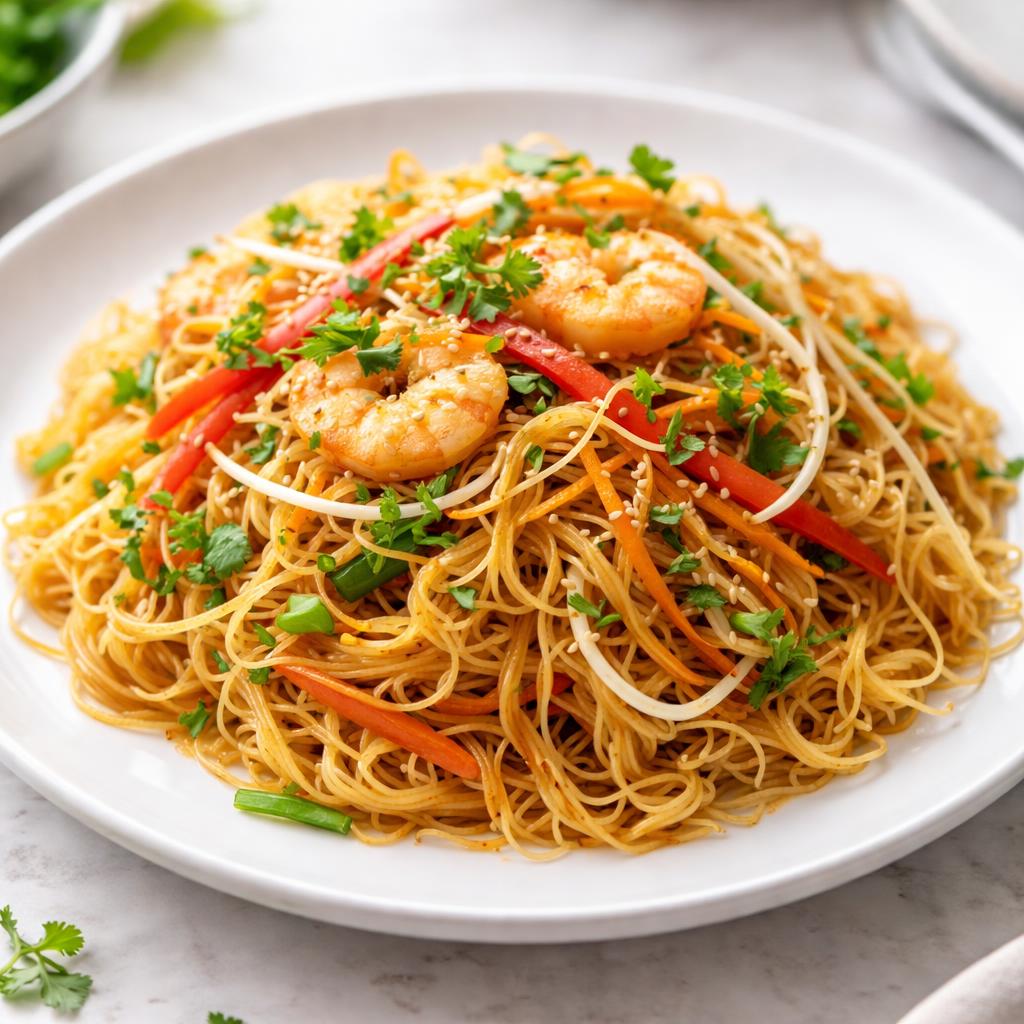
Vermicelli Noodles
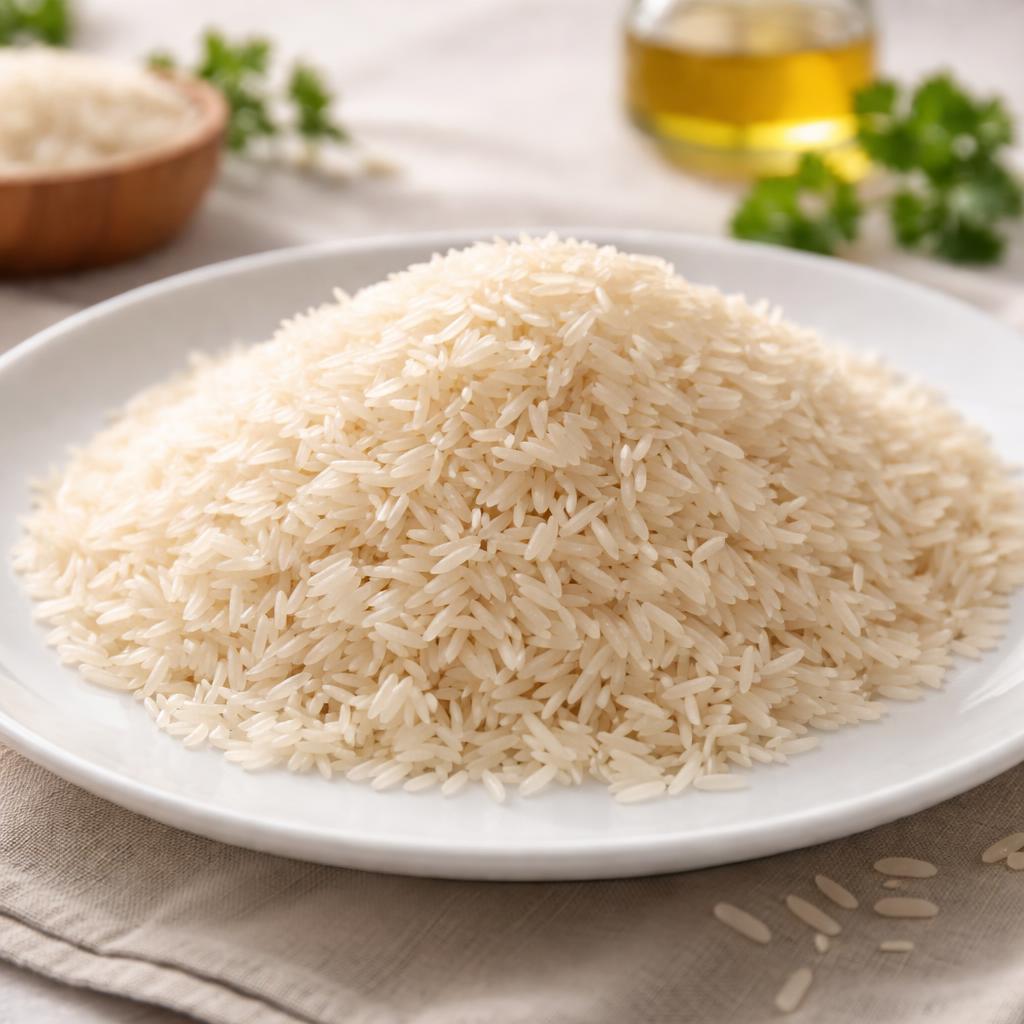
Raw Rice
🎯 Quick Verdict
Raw rice (food2) is more nutritionally dense than vermicelli noodles (food1), offering more protein, fiber, and fewer calories per serving. Vermicelli, however, is lower in carbohydrates, making it better suited for low-carb diets. Choose rice for sustained energy and overall nutrient richness, while vermicelli may work better for lighter meals or low-calorie recipes.

Smart Nutrition Tracking with SnapCalorie

📊 Nutritional Comparison
Macronutrients
| Nutrient | Food 1 | Food 2 | Winner |
|---|---|---|---|
| Calories | 200 | 130 | ✓ |
| Protein | 3g | 2.5g | ✓ |
| Carbs | 42g | 28g | ✓ |
| Fat | 0.5g | 0.3g | ✓ |
| Fiber | 1g | 2g | ✓ |
Vitamins & Minerals
| Nutrient | Food 1 | Food 2 | Winner |
|---|---|---|---|
| Vitamin D | 0mcg | 0mcg | − |
| Calcium | 10mg | 5mg | ✓ |
| Iron | 0.5mg | 1.5mg | ✓ |
🏆 Category Winners
Protein
Vermicelli noodles provide slightly more protein per serving compared to raw rice.
Fiber
Raw rice has double the fiber content, making it better for digestion.
Calories
Raw rice has fewer calories per serving (35% less).
🥗 Diet Compatibility
Keto
Food 1: Not Compatible
Food 2: Not Compatible
Both are high in carbs and not suitable for keto diets.
Vegan
Food 1: Compatible
Food 2: Compatible
Both are fully plant-based and vegan-friendly.
Gluten Free
Food 1: Compatible
Food 2: Compatible
Neither contains gluten.
Paleo
Food 1: Not Compatible
Food 2: Compatible
Raw rice is more closely aligned with paleo principles.
Low Carb
Food 1: Partially Compatible
Food 2: Not Compatible
Vermicelli is lower carb than rice but still not ideal for strict low-carb diets.
💪 Health Benefits Comparison
Food 1 Benefits
- Low in fats, ideal for lighter meals
- Quick and easy to prepare for convenience
- Lower carbohydrate count compared to rice
Food 2 Benefits
- Higher fiber content aids digestion
- Rich in iron, supports oxygen transport in the blood
- Fewer calories, suitable for weight management diets
✅ The Bottom Line
Choose raw rice (food2) for its higher nutrient density, particularly for fiber, iron, and sustained energy. Opt for vermicelli noodles (food1) if you prefer lower carbohydrate meals, lighter dishes, or convenience during meal prep.
Choose Food 1 for: Low-carb diets, quick meals, moderate protein intake
Choose Food 2 for: Sustained energy, digestion support, weight loss-focused diets


