Vermicelli Noodles VS Dry Pasta
A detailed nutritional comparison
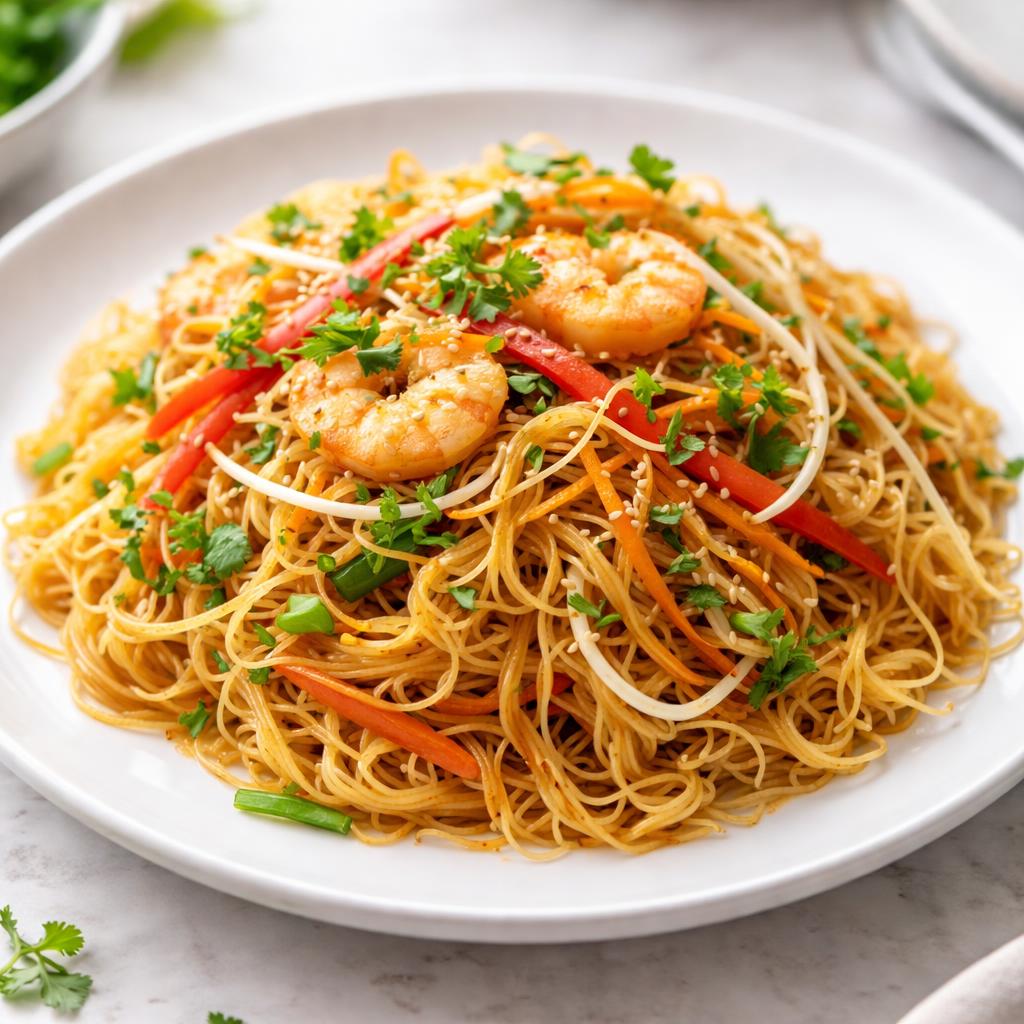
Vermicelli Noodles
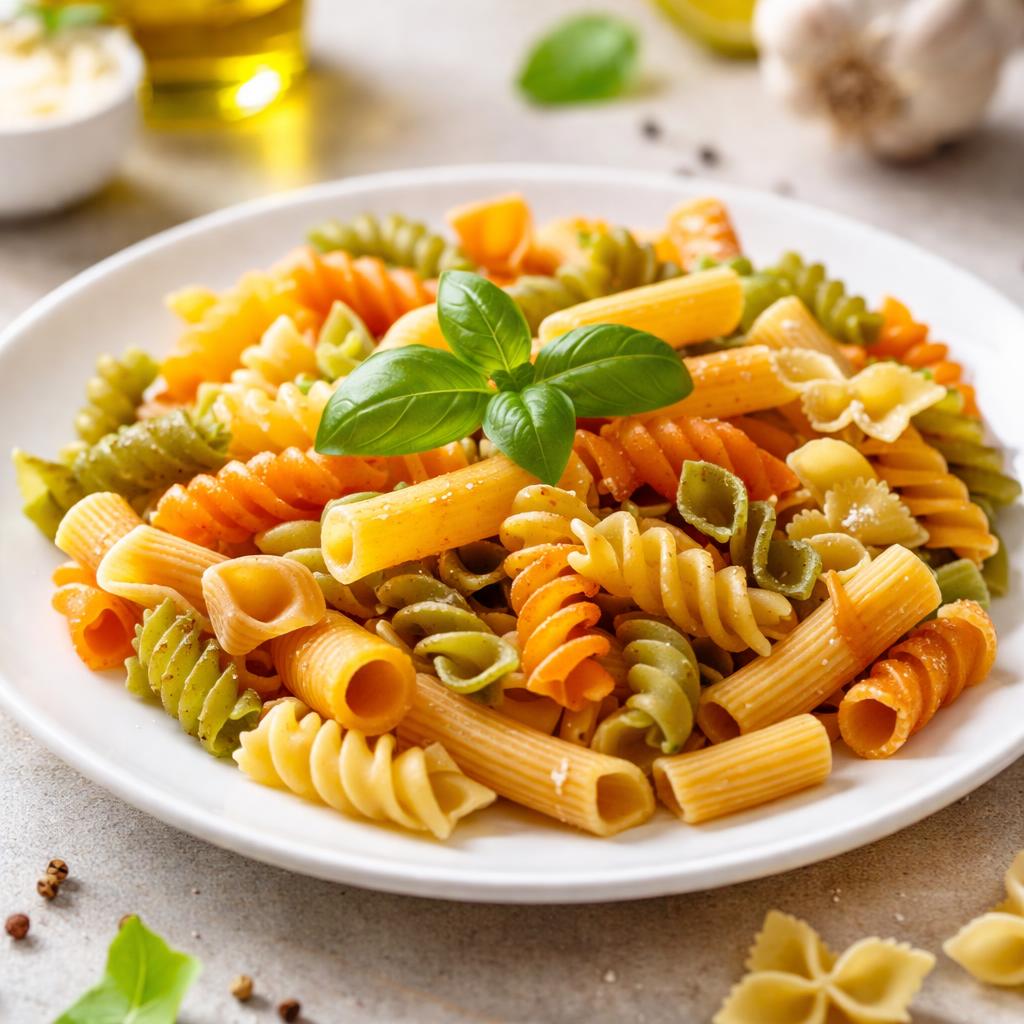
Dry Pasta
🎯 Quick Verdict
Dry pasta outshines vermicelli noodles in protein and fiber content, making it a more filling option for meals. Vermicelli noodles, however, are lower in calories and carbohydrates, making them a lighter choice. Both foods are versatile for diverse culinary uses but cater to different dietary goals.

Smart Nutrition Tracking with SnapCalorie

📊 Nutritional Comparison
Macronutrients
| Nutrient | Food 1 | Food 2 | Winner |
|---|---|---|---|
| Calories | 192 (per 1 cup cooked) | 221 (per 1 cup cooked) | ✓ |
| Protein | 3.5g | 8g | ✓ |
| Carbs | 42g | 43g | − |
| Fat | 0.3g | 1.3g | ✓ |
| Fiber | 0.8g | 2.5g | ✓ |
Vitamins & Minerals
| Nutrient | Food 1 | Food 2 | Winner |
|---|---|---|---|
| Vitamin B6 | 0.02mg | 0.05mg | ✓ |
| Thiamin (B1) | 0.04mg | 0.23mg | ✓ |
| Iron | 0.3mg | 1.9mg | ✓ |
| Magnesium | 7mg | 25mg | ✓ |
🏆 Category Winners
Protein
Dry pasta contains over twice as much protein per serving compared to vermicelli noodles.
Fiber
Dry pasta offers more than triple the fiber as vermicelli noodles.
Calories
Vermicelli noodles have approximately 13% fewer calories per serving than dry pasta.
🥗 Diet Compatibility
Keto
Food 1: Not Compatible
Food 2: Not Compatible
Both are high in carbohydrates and not suitable for keto diets.
Vegan
Food 1: Compatible
Food 2: Compatible
Both are plant-based and free from animal products.
Gluten Free
Food 1: Not Compatible
Food 2: Not Compatible
Traditional vermicelli noodles and dry pasta contain gluten unless specified as gluten-free versions.
Paleo
Food 1: Not Compatible
Food 2: Not Compatible
Neither is paleo due to their grain-based origins.
Low-Carb
Food 1: Not Compatible
Food 2: Not Compatible
Both are high-carb options not suitable for low-carb diets.
💪 Health Benefits Comparison
Food 1 Benefits
- Low calorie option for lighter meals
- Quick and easy to prepare for busy schedules
- Neutral flavor pairs well with diverse sauces and broths
Food 2 Benefits
- Higher protein content supports muscle repair
- Greater fiber content promotes healthy digestion
- Rich in iron and magnesium for energy and bone support
✅ The Bottom Line
Choose vermicelli noodles for lighter, lower-calorie dishes or when you prefer quick meals. Opt for dry pasta if you need a more substantial source of protein and fiber for fueling active days or maintaining fullness. Both foods serve as excellent bases for a wide range of recipes.
Choose Food 1 for: Quick meals, lighter calorie requirements, stir-fry dishes
Choose Food 2 for: Meal prep, high-protein needs, hearty meals


