Udon Noodles VS Raw Rice
A detailed nutritional comparison
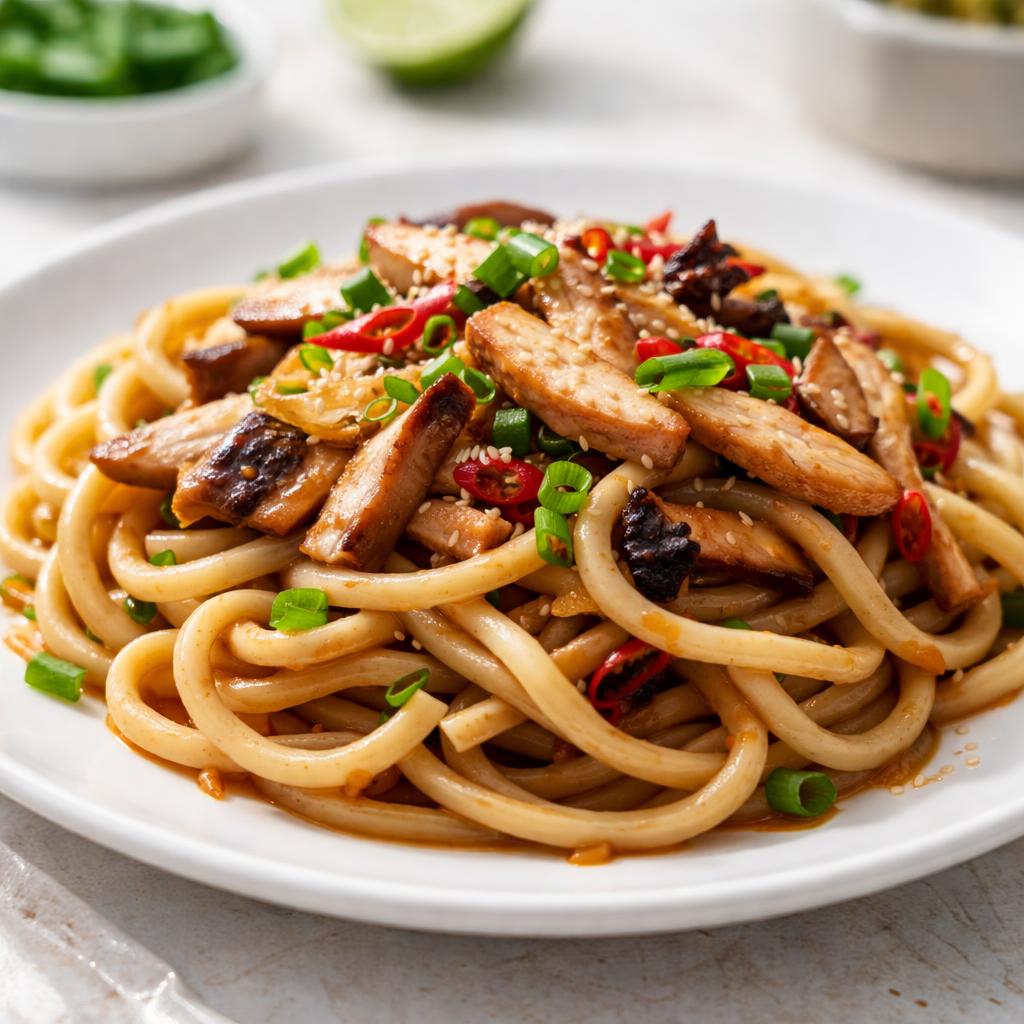
Udon Noodles
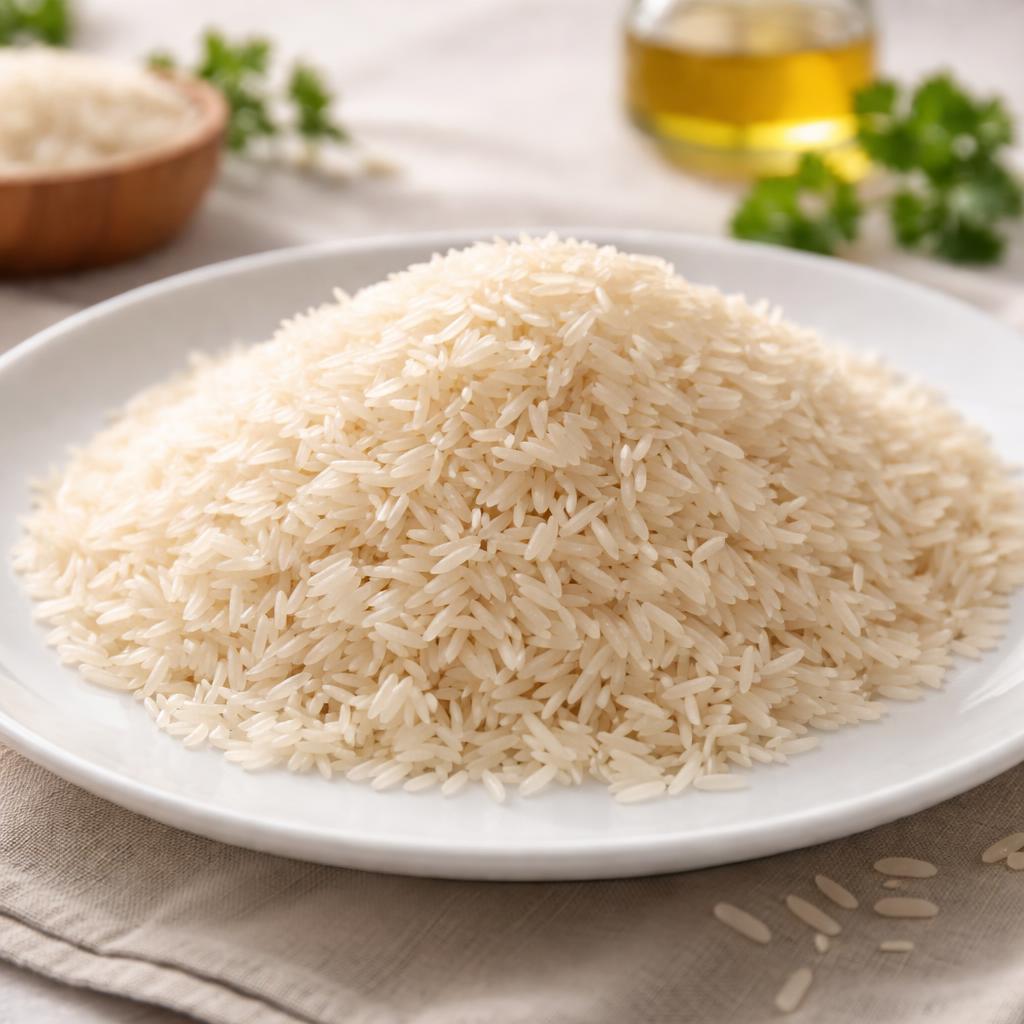
Raw Rice
🎯 Quick Verdict
Raw rice is lower in calories and provides more energy-dense carbohydrates, making it ideal for fueling activities. Udon noodles offer more fiber and are a quick, ready-to-cook option, preferred for digestion and convenience. While protein content is similar, dietary use depends on cooking methods and overall meals.

Smart Nutrition Tracking with SnapCalorie

📊 Nutritional Comparison
Macronutrients
| Nutrient | Food 1 | Food 2 | Winner |
|---|---|---|---|
| Calories | 170 (per 100g cooked) | 130 (per 100g cooked) | ✓ |
| Protein | 3g (per 100g cooked) | 2.7g (per 100g cooked) | − |
| Carbs | 33g (per 100g cooked) | 28g (per 100g cooked) | ✓ |
| Fat | 0.5g (per 100g cooked) | 0.3g (per 100g cooked) | ✓ |
| Fiber | 0.9g (per 100g cooked) | 0.3g (per 100g cooked) | ✓ |
Vitamins & Minerals
| Nutrient | Food 1 | Food 2 | Winner |
|---|---|---|---|
| Vitamin B1 | 0.02mg | 0.02mg | − |
| Folate | 18mcg | 4mcg | ✓ |
| Iron | 0.6mg | 0.2mg | ✓ |
🏆 Category Winners
Protein
Both foods have similar protein levels per serving, making neither significantly better in this category.
Fiber
Udon noodles have 3x more fiber content than raw rice per serving, supporting better digestion.
Calories
Raw rice has about 25% fewer calories than cooked udon noodles per 100g, beneficial for calorie-controlled diets.
Vitamins
Udon noodles contain more folate and iron, making them a slightly better source of micronutrients.
🥗 Diet Compatibility
Keto
Food 1: Not Compatible
Food 2: Not Compatible
Both are high in carbohydrates and unsuitable for ketogenic diets.
Vegan
Food 1: Compatible
Food 2: Compatible
Both foods are plant-based and free of animal products.
Gluten Free
Food 1: Not Compatible
Food 2: Compatible
Udon noodles typically contain wheat and gluten, whereas rice is naturally gluten-free.
Paleo
Food 1: Not Compatible
Food 2: Compatible
Raw rice aligns with paleo guidelines, but udon noodles do not due to refined wheat content.
Low Carb
Food 1: Not Compatible
Food 2: Not Compatible
Both have high carbohydrate content, making them unsuitable for low-carb diets.
💪 Health Benefits Comparison
Food 1 Benefits
- Provides dietary fiber to aid digestion
- Contains folate, which is essential for cell production
- Offers iron to support healthy red blood cell function
Food 2 Benefits
- Energy-dense carbohydrates for sustained energy
- Naturally gluten-free and hypoallergenic
- Versatile in global cuisines and easy to integrate into meals
✅ The Bottom Line
Choose raw rice for a gluten-free, lower-calorie, energy-dense option ideal for endurance activities or traditional dishes. Opt for udon noodles if a quick-cooking meal with higher fiber and micronutrients is needed for digestive health and convenience.
Choose Food 1 for: Quick meals, digestion support, folate and iron intake
Choose Food 2 for: Gluten-free diets, calorie control, long-lasting energy


