Tomato VS Spinach
A detailed nutritional comparison
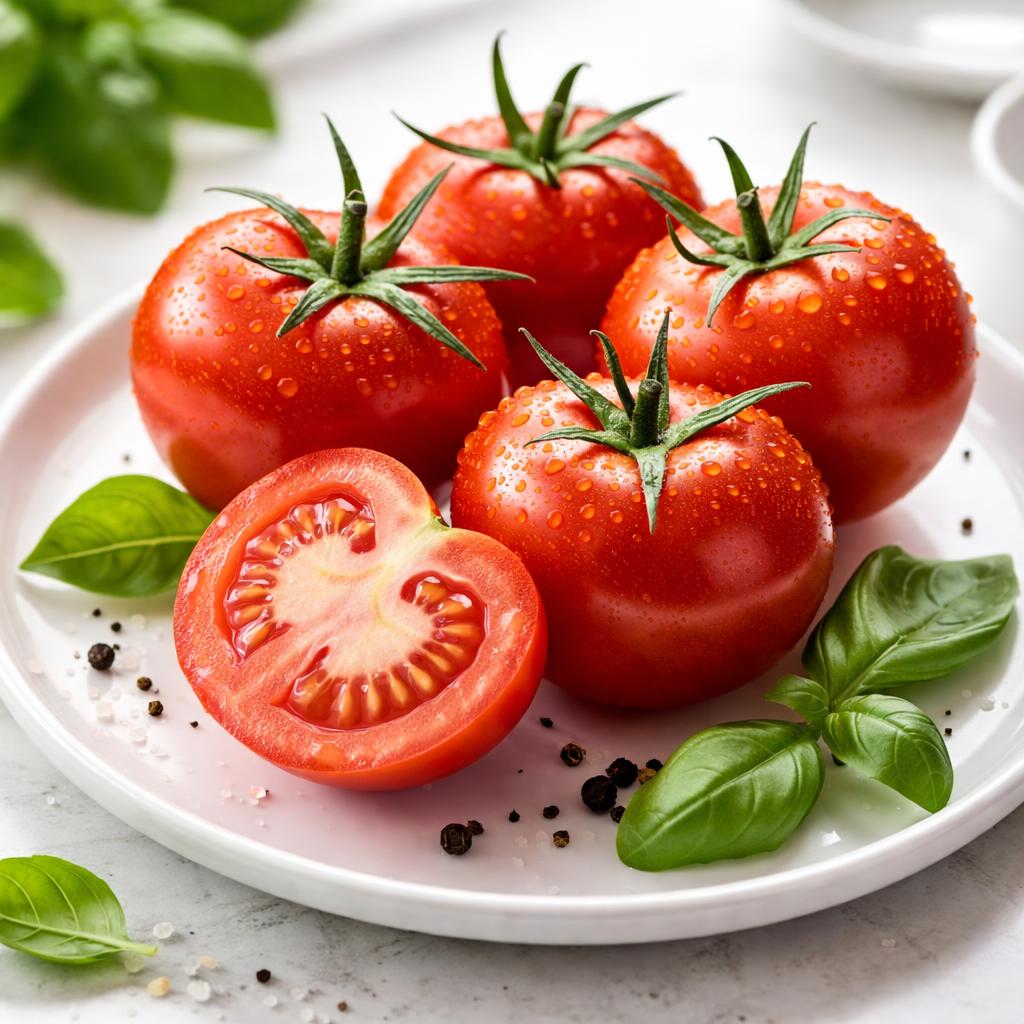
Tomato
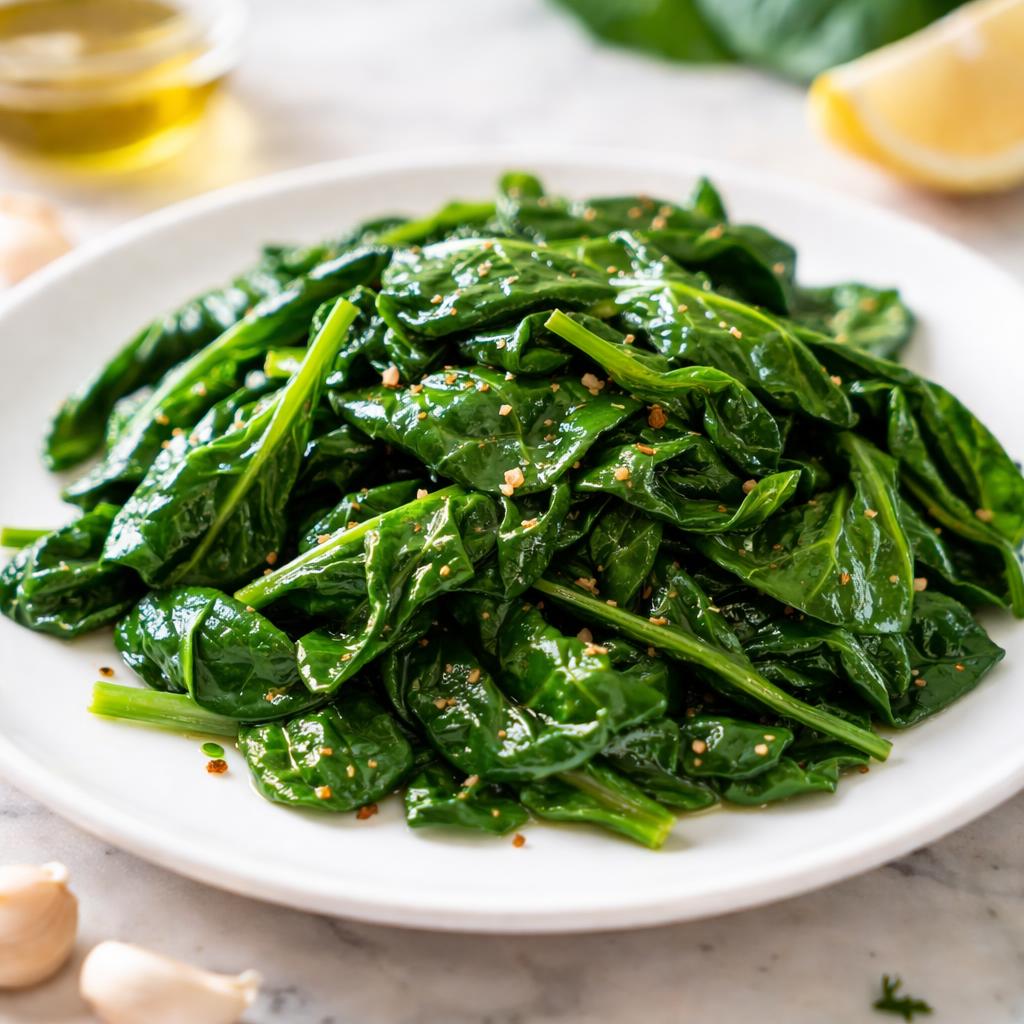
Spinach
🎯 Quick Verdict
Tomatoes and spinach are nutrient-rich staples but have distinct profiles. Tomatoes are lower in calories and carbs, while spinach offers significantly more protein, fiber, and essential vitamins like iron and calcium. Tomatoes are ideal for hydration and antioxidants, while spinach excels in nutrient density and versatility in high-protein diets.

Smart Nutrition Tracking with SnapCalorie

📊 Nutritional Comparison
Macronutrients
| Nutrient | Food 1 | Food 2 | Winner |
|---|---|---|---|
| Calories | 18 (per 100g) | 23 (per 100g) | ✓ |
| Protein | 0.9g (per 100g) | 2.9g (per 100g) | ✓ |
| Carbs | 3.9g (per 100g) | 3.6g (per 100g) | ✓ |
| Fat | 0.2g (per 100g) | 0.4g (per 100g) | ✓ |
| Fiber | 1.2g (per 100g) | 2.2g (per 100g) | ✓ |
Vitamins & Minerals
| Nutrient | Food 1 | Food 2 | Winner |
|---|---|---|---|
| Vitamin C | 13.7mg (per 100g) | 28.1mg (per 100g) | ✓ |
| Iron | 0.3mg (per 100g) | 2.7mg (per 100g) | ✓ |
| Calcium | 10mg (per 100g) | 99mg (per 100g) | ✓ |
| Vitamin A | 42mcg (per 100g) | 469mcg (per 100g) | ✓ |
🏆 Category Winners
Protein
Spinach has over three times more protein than tomatoes per serving.
Fiber
Spinach provides nearly double the fiber content compared to tomatoes.
Calories
Tomatoes have slightly fewer calories per serving, making them lighter for caloric intake.
Vitamins
Spinach is far richer in key vitamins such as A, C, and iron compared to tomatoes.
🥗 Diet Compatibility
Keto
Food 1: Compatible
Food 2: Compatible
Both are very low-carb vegetables and fit ketogenic diets.
Vegan
Food 1: Compatible
Food 2: Compatible
Both foods are plant-based and vegan-friendly.
Gluten Free
Food 1: Compatible
Food 2: Compatible
Neither contains gluten or gluten-derived ingredients.
Paleo
Food 1: Compatible
Food 2: Compatible
Both originate as whole, unprocessed foods suitable for paleo diets.
Low-Carb
Food 1: Compatible
Food 2: Compatible
Both have minimal carbohydrate content, making them suitable for low-carb diets.
💪 Health Benefits Comparison
Food 1 Benefits
- Rich in lycopene, an antioxidant for heart health and cancer prevention
- High water content for hydration and weight management
- Good source of vitamin C for immune system support
Food 2 Benefits
- Excellent source of iron for blood health and energy production
- High in calcium and vitamin A for bone and eye health
- Rich in chlorophyll and antioxidants, promoting detoxification
✅ The Bottom Line
Tomatoes and spinach are both excellent choices depending on dietary needs. Opt for tomatoes if you prioritize hydration, antioxidants, and a lower calorie count. Spinach is better for protein, fiber, and micronutrients like iron and calcium in nutrient-dense meals or as part of a high-protein diet.
Choose Food 1 for: Hydration, weight loss, antioxidant intake
Choose Food 2 for: Muscle maintenance, energy, mineral-rich diets


