Tomato VS Pork
A detailed nutritional comparison
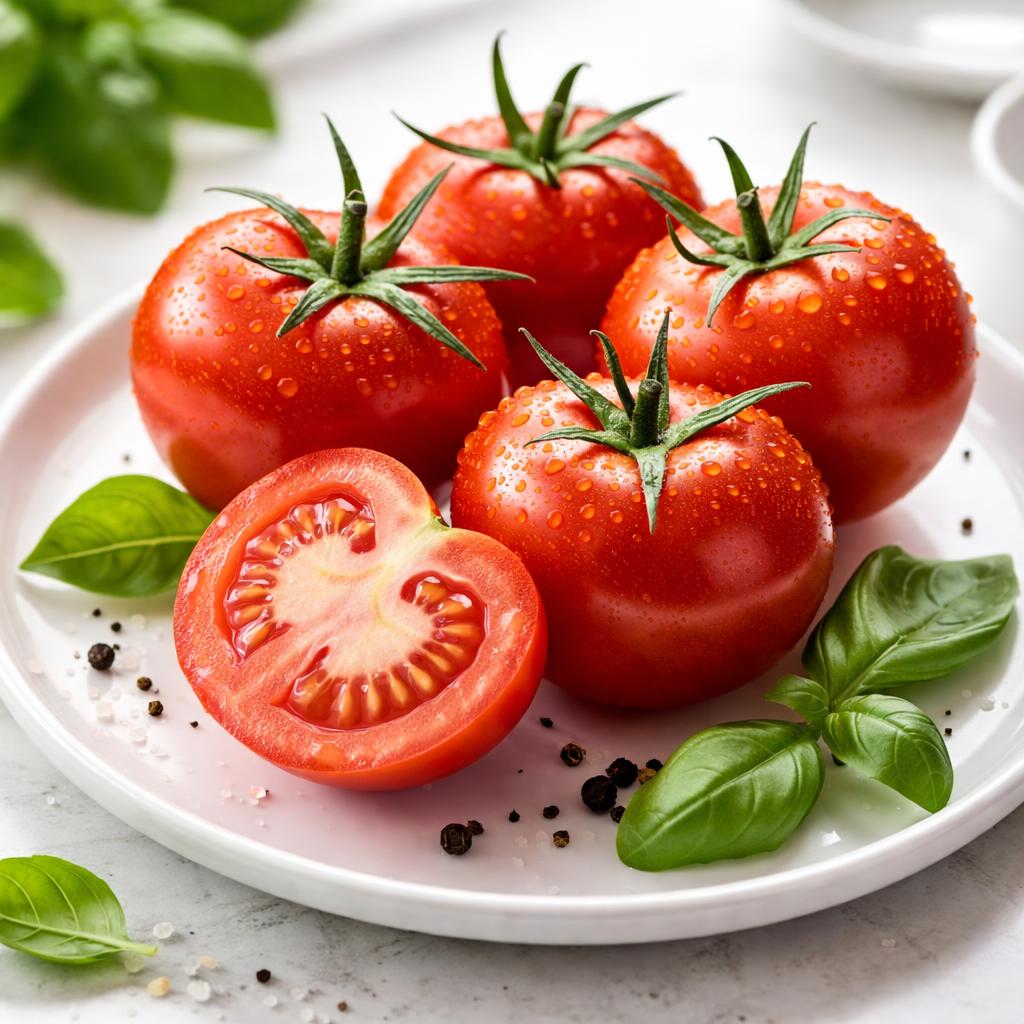
Tomato
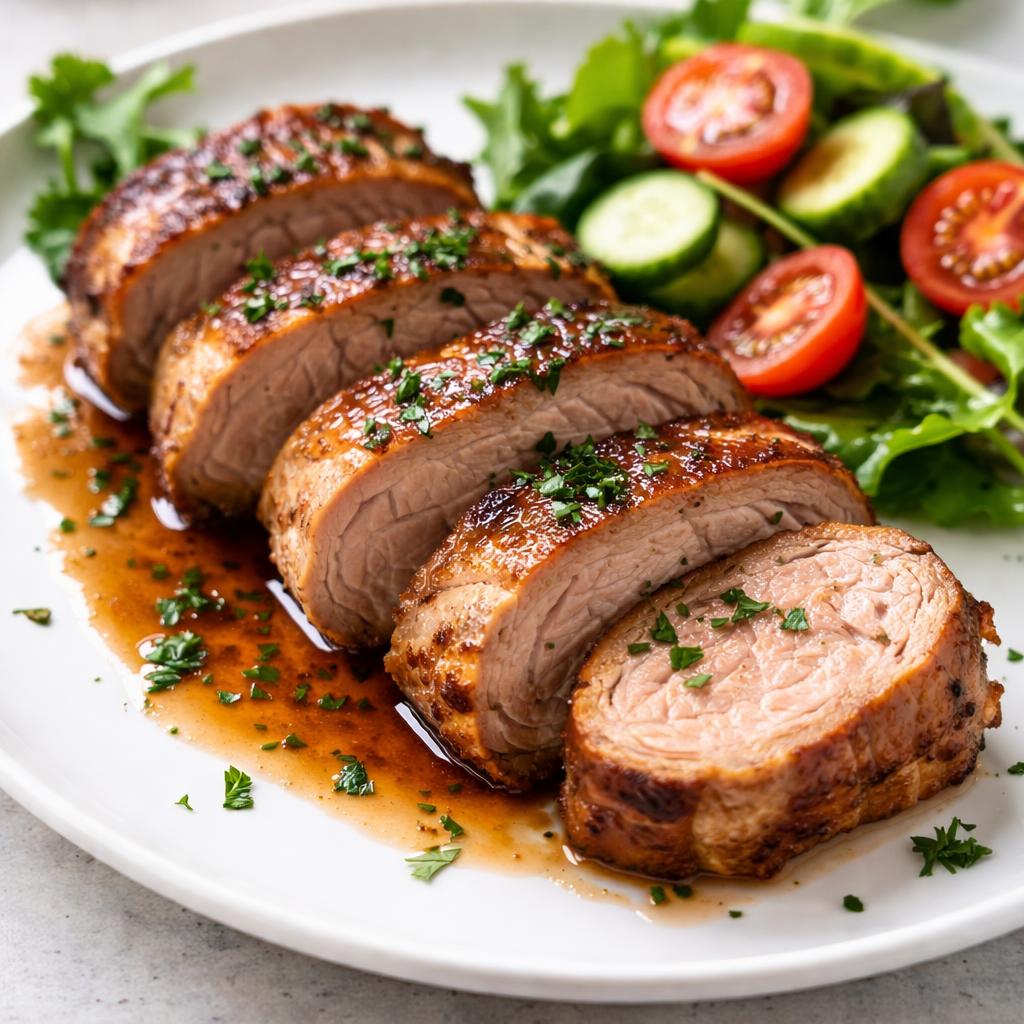
Pork
🎯 Quick Verdict
Tomatoes and pork offer vastly different nutritional benefits. Tomatoes are low-calorie, high in fiber, and rich in vitamins like Vitamin C, while pork is dense in protein and healthy fats. Tomatoes are ideal for a plant-based, weight loss-oriented diet, whereas pork is better for high-protein and keto diets needing nutrient-dense meals.

Smart Nutrition Tracking with SnapCalorie

📊 Nutritional Comparison
Macronutrients
| Nutrient | Food 1 | Food 2 | Winner |
|---|---|---|---|
| Calories | 18 kcal | 242 kcal | ✓ |
| Protein | 0.9g | 26g | ✓ |
| Carbs | 3.9g | 0g | ✓ |
| Fat | 0.2g | 13.9g | ✓ |
| Fiber | 1.2g | 0g | ✓ |
Vitamins & Minerals
| Nutrient | Food 1 | Food 2 | Winner |
|---|---|---|---|
| Vitamin C | 23mg | 0mg | ✓ |
| Vitamin A | 1025 IU | 0 IU | ✓ |
| Vitamin D | 0 IU | 19 IU | ✓ |
| Iron | 0.3mg | 1.1mg | ✓ |
| Calcium | 10mg | 13mg | ✓ |
🏆 Category Winners
Protein
Pork provides significantly higher protein per serving (26g vs 0.9g).
Fiber
Tomatoes contain 1.2g fiber per serving, while pork has none.
Calories
Tomatoes are extremely low-calorie, offering only 18 kcal versus pork's 242 kcal.
Vitamins
Tomatoes dominate in Vitamin C, Vitamin A, and other antioxidants.
🥗 Diet Compatibility
Keto
Food 1: Not Compatible
Food 2: Compatible
Pork's zero-carb profile makes it keto-friendly, while tomatoes are relatively higher in carbs.
Vegan
Food 1: Compatible
Food 2: Not Compatible
Tomatoes are plant-based; pork is animal-derived.
Gluten Free
Food 1: Compatible
Food 2: Compatible
Both foods are naturally gluten-free.
Paleo
Food 1: Compatible
Food 2: Compatible
Both are suitable under paleo dietary principles.
Low-Carb
Food 1: Semi-Compatible
Food 2: Compatible
Pork has negligible carbs, while tomatoes contain 3.9g per serving.
💪 Health Benefits Comparison
Food 1 Benefits
- Low in calories, suitable for weight management
- Rich in Vitamin C, boosting immune health
- Good source of antioxidants for reducing inflammation
- High in fiber, aiding digestion
Food 2 Benefits
- Excellent source of protein for muscle building and repair
- Contains healthy fats for sustained energy
- Rich in Vitamin D, supporting bone health
- Provides essential minerals like iron and calcium
✅ The Bottom Line
Tomatoes are ideal for low-calorie, high-vitamin weight loss diets, while pork excels as a protein and calorie-dense option for keto, paleo, or muscle-building meal plans. Choose tomatoes for lighter meals or snacks, and pork for nutritional density and satiety.
Choose Food 1 for: Weight management, immune support, plant-based diets
Choose Food 2 for: Protein-focused diets, keto, paleo, muscle growth


