Tomato VS Iceberg Lettuce
A detailed nutritional comparison
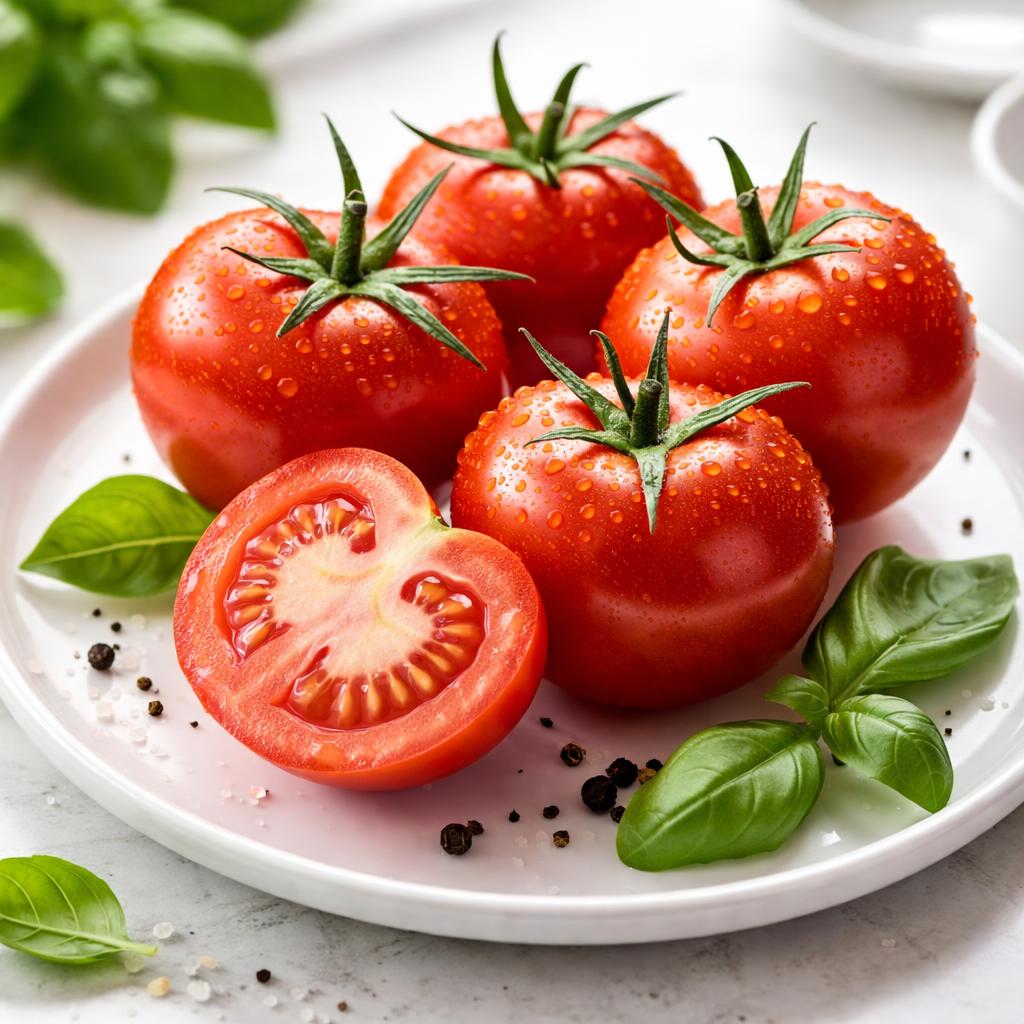
Tomato
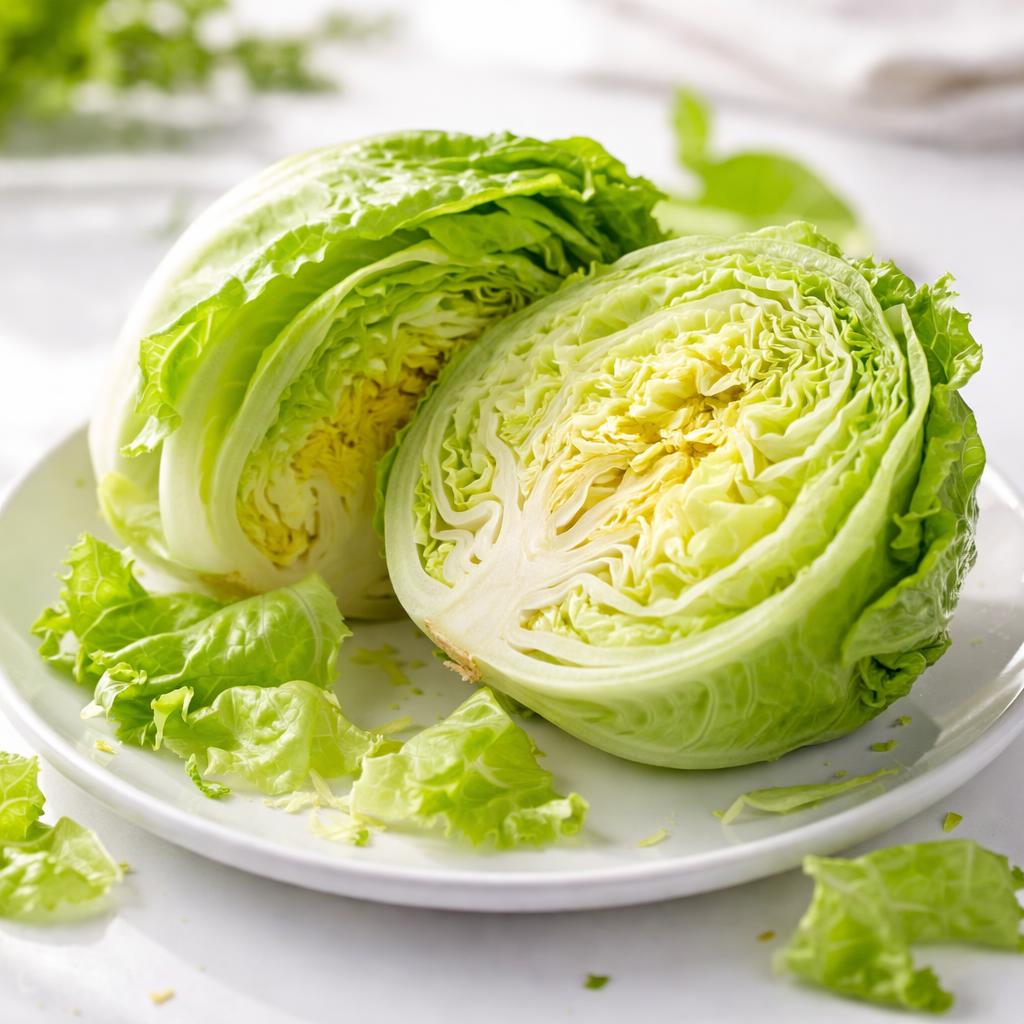
Iceberg Lettuce
🎯 Quick Verdict
Tomatoes and iceberg lettuce are both low-calorie, hydrating foods but differ in nutrient density. Tomatoes offer higher fiber, vitamins, and antioxidant content, making them more nutritionally valuable overall. Iceberg lettuce is extremely low in calories and ideal for light meals or weight loss plans, while offering mild hydration benefits.

Smart Nutrition Tracking with SnapCalorie

📊 Nutritional Comparison
Macronutrients
| Nutrient | Food 1 | Food 2 | Winner |
|---|---|---|---|
| Calories | 18 | 10 | − |
| Protein | 0.9g | 0.6g | − |
| Carbs | 3.9g | 2.1g | − |
| Fat | 0.2g | 0.1g | − |
| Fiber | 1.2g | 0.9g | − |
Vitamins & Minerals
| Nutrient | Food 1 | Food 2 | Winner |
|---|---|---|---|
| Vitamin C | 13.7mg | 1.0mg | − |
| Vitamin A | 833IU | 361IU | − |
| Potassium | 237mg | 141mg | − |
🏆 Category Winners
Protein
Both foods have similar protein content, under 1g per serving.
Fiber
Tomato contains 33% more fiber than iceberg lettuce.
Calories
Iceberg lettuce has about 44% fewer calories than tomato.
🥗 Diet Compatibility
Keto
Food 1: Compatible
Food 2: Compatible
Both foods are low-carb and suitable for ketogenic diets.
Vegan
Food 1: Compatible
Food 2: Compatible
Both are plant-based and fully vegan-friendly.
Gluten Free
Food 1: Compatible
Food 2: Compatible
Neither food contains gluten.
Paleo
Food 1: Compatible
Food 2: Compatible
Both are whole foods allowed on a Paleo diet.
Low-Carb
Food 1: Compatible
Food 2: Compatible
With under 4g carbs per serving, both foods fit low-carb plans.
💪 Health Benefits Comparison
Food 1 Benefits
- Rich in vitamin C to boost immunity and skin health
- Contains antioxidants like lycopene for heart protection
- High in potassium to regulate blood pressure
- Provides moderate fiber for improved digestion
Food 2 Benefits
- Low-calorie option ideal for weight loss diets
- Hydrating and supports overall fluid balance
- Contains small amounts of vitamin A for vision support
- Mildly alkalizing, aiding in pH balance of the body
✅ The Bottom Line
Tomatoes offer better overall nutrition due to their higher fiber, vitamins, and antioxidant content, making them ideal as a nutrient-dense option for balanced diets. Iceberg lettuce is extremely low-calorie and hydrating, making it a good choice for weight loss or light meals. Both foods are vegan, gluten-free, and compatible with keto and paleo diets.
Choose Food 1 for: Nutrient density, immune support, heart health
Choose Food 2 for: Weight loss, light meals, hydration


