Tomato VS Chicken Curry
A detailed nutritional comparison
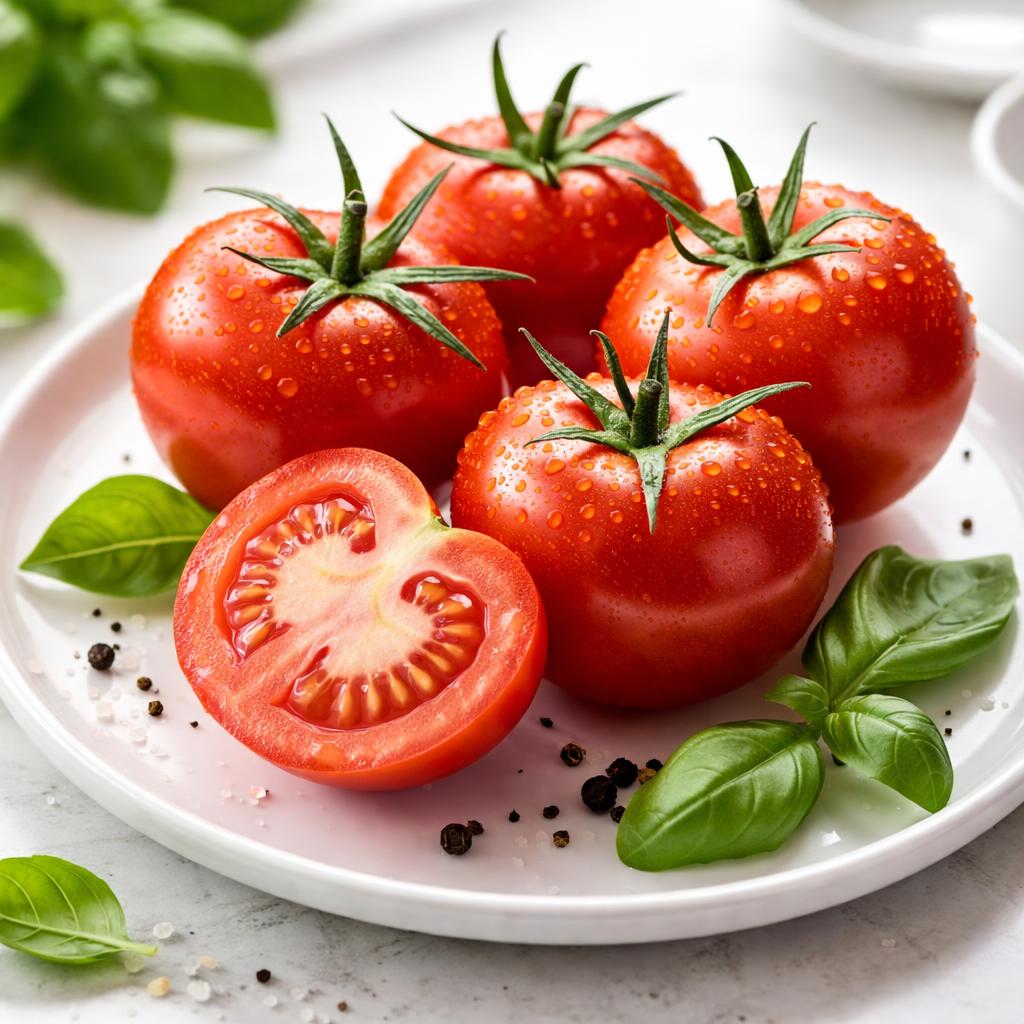
Tomato

Chicken Curry
🎯 Quick Verdict
Tomatoes are low-calorie and high in fiber with several vitamins, making them ideal for weight management and heart health. Chicken curry, while higher in calories and fat, is rich in protein and delivers more sustained energy, making it better suited for active lifestyles or meal occasions requiring higher satiety.

Smart Nutrition Tracking with SnapCalorie

📊 Nutritional Comparison
Macronutrients
| Nutrient | Food 1 | Food 2 | Winner |
|---|---|---|---|
| Calories | 22 | 190 | ✓ |
| Protein | 1g | 15g | ✓ |
| Carbs | 5g | 7g | ✓ |
| Fat | 0.5g | 12g | ✓ |
| Fiber | 1.5g | 1g | ✓ |
Vitamins & Minerals
| Nutrient | Food 1 | Food 2 | Winner |
|---|---|---|---|
| Vitamin A | 1025 IU | 300 IU | ✓ |
| Vitamin C | 15mg | 2mg | ✓ |
| Iron | 0.3mg | 1.2mg | ✓ |
| Calcium | 10mg | 30mg | ✓ |
🏆 Category Winners
Protein
Chicken curry contains 15x more protein, which is crucial for muscle synthesis.
Fiber
Tomatoes provide 50% more fiber per serving, aiding digestion.
Calories
Tomatoes are extremely low-calorie, ideal for weight control.
Vitamins
Tomatoes are richer in Vitamin A and Vitamin C, benefiting eyesight and immune function.
🥗 Diet Compatibility
Keto
Food 1: Compatible
Food 2: Compatible
Both are low-carb foods, though chicken curry has higher fats.
Vegan
Food 1: Compatible
Food 2: Not Compatible
Tomatoes are plant-based, while chicken curry contains animal products.
Gluten Free
Food 1: Compatible
Food 2: Depends
Tomatoes are naturally gluten-free, but chicken curry may contain gluten depending on recipe.
Paleo
Food 1: Compatible
Food 2: Compatible
Both fit a paleo diet if chicken curry uses whole ingredients.
Low-Carb
Food 1: Compatible
Food 2: Compatible
Tomatoes and chicken curry are low in carbohydrates, suitable for low-carb diets.
💪 Health Benefits Comparison
Food 1 Benefits
- Rich in antioxidants like lycopene for heart health
- High in Vitamin C to support immunity
- Low-calorie and nutrient-dense for weight management
- Contains fiber to aid in digestion
Food 2 Benefits
- Excellent source of protein for muscle repair and growth
- Contains spices like turmeric, potentially reducing inflammation
- Provides healthy fats for energy and satiety
- Rich in iron, supporting red blood cell production
✅ The Bottom Line
Choose tomatoes for light meals, snacking, or enhancing vitamin intake while maintaining a low-calorie diet. Opt for chicken curry in meals requiring higher protein and fats, ideal for active individuals or post-workout recovery.
Choose Food 1 for: Weight control, high-fiber diets, vegan meals
Choose Food 2 for: Muscle recovery, balanced energy meals, nutrient-dense comfort food


