Tomato VS Bell Pepper
A detailed nutritional comparison
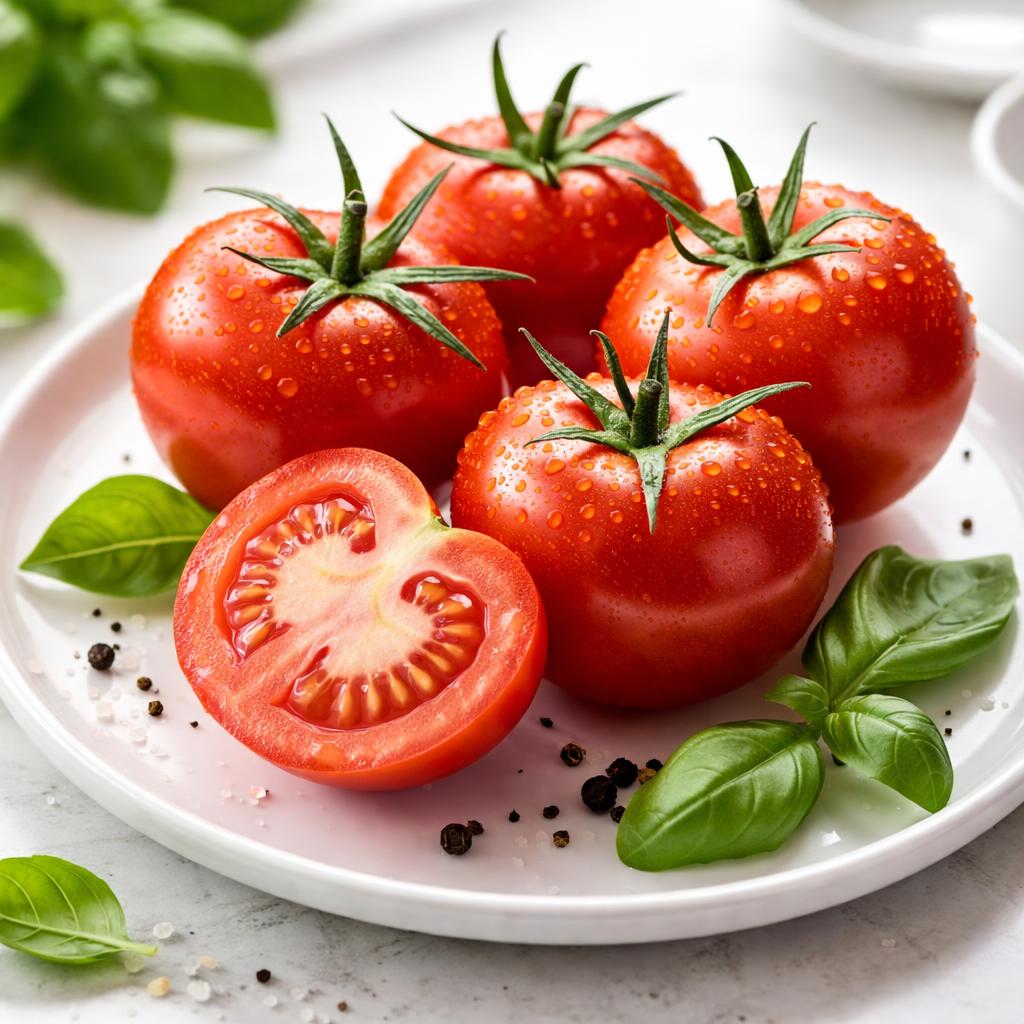
Tomato
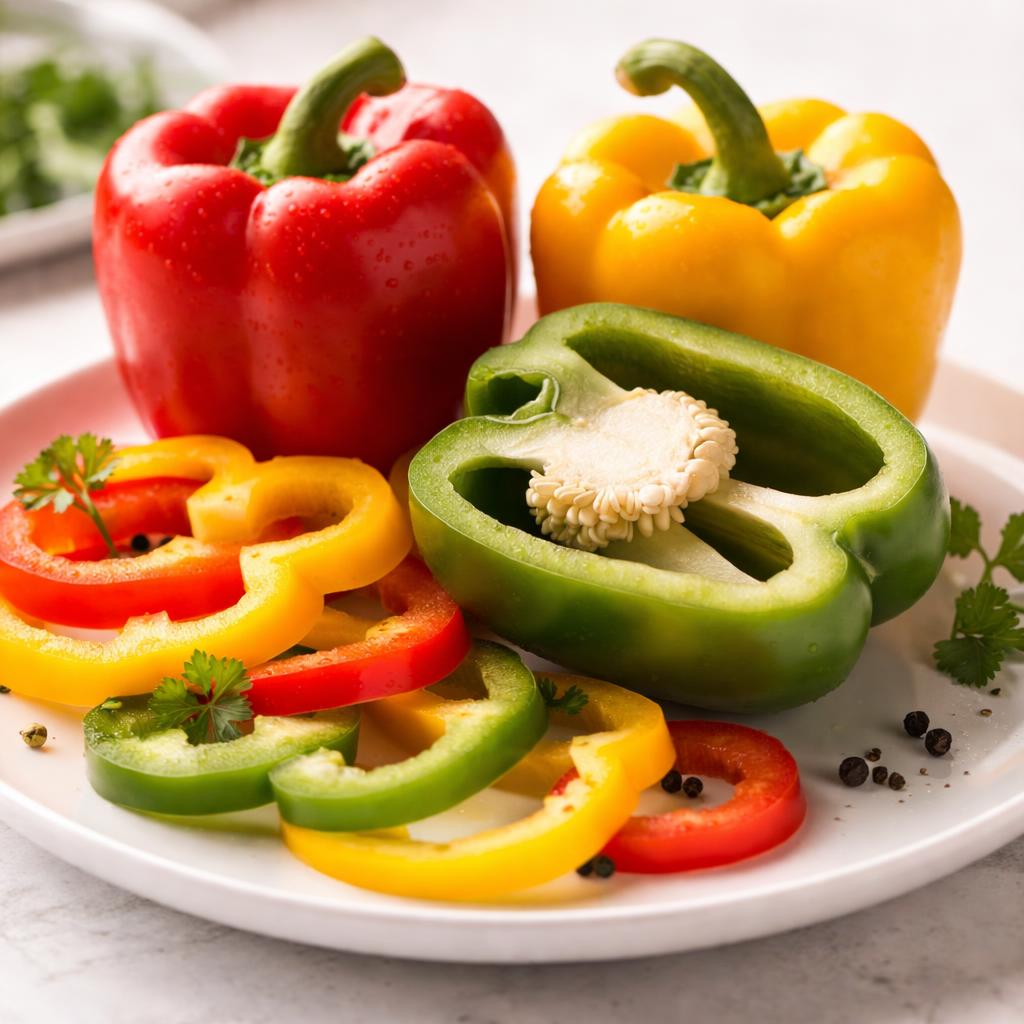
Bell Pepper
🎯 Quick Verdict
Tomato and bell pepper are both low-calorie, nutrient-rich vegetables with unique strengths. Bell pepper is higher in fiber and vitamin C, while tomatoes provide slightly more potassium and vitamin A. Both are excellent choices for healthy diets depending on individual nutrient priorities.

Smart Nutrition Tracking with SnapCalorie

📊 Nutritional Comparison
Macronutrients
| Nutrient | Food 1 | Food 2 | Winner |
|---|---|---|---|
| Calories | 18 | 20 | − |
| Protein | 0.9g | 1g | − |
| Carbs | 3.9g | 4.6g | − |
| Fat | 0.2g | 0.2g | − |
| Fiber | 1.2g | 2g | − |
Vitamins & Minerals
| Nutrient | Food 1 | Food 2 | Winner |
|---|---|---|---|
| Vitamin A | 833 IU | 313 IU | − |
| Vitamin C | 13.7mg | 80mg | − |
| Potassium | 237mg | 211mg | − |
| Calcium | 10mg | 6mg | − |
| Iron | 0.3mg | 0.4mg | − |
🏆 Category Winners
Protein
Both provide similar amounts of protein (<1g per serving).
Fiber
Bell pepper has 67% more fiber (2g vs 1.2g).
Calories
Both have similarly low calories (18 vs 20 per 100g).
Vitamins
Bell pepper excels in vitamin C, offering almost 6x more than tomato.
🥗 Diet Compatibility
Keto
Food 1: Not Ideal
Food 2: Not Ideal
Both contain moderate carbs (~4g per 100g).
Vegan
Food 1: Compatible
Food 2: Compatible
Both are plant-based vegetables.
Gluten Free
Food 1: Compatible
Food 2: Compatible
Neither contains gluten.
Paleo
Food 1: Compatible
Food 2: Compatible
Both are whole, unprocessed foods.
Low-Carb
Food 1: Compatible
Food 2: Compatible
Low-carb friendly with <5g carbs per serving.
💪 Health Benefits Comparison
Food 1 Benefits
- Rich in lycopene, an antioxidant that supports heart health.
- Provides potassium for electrolyte balance.
- Contains vitamin A to support vision.
Food 2 Benefits
- High in vitamin C for immune defense and collagen production.
- Good source of dietary fiber for digestive health.
- Contains beta-carotene, a precursor to vitamin A for eye health.
✅ The Bottom Line
Tomato and bell pepper are nutrient-dense vegetables with unique benefits. Choose tomato for potassium and lycopene, and bell pepper for fiber and immunity-boosting vitamin C. They are both low-calorie options adaptable to many diets.
Choose Food 1 for: Heart health, electrolyte balance, vision support
Choose Food 2 for: Immune support, digestive health, antioxidant intake


