Sushi Rice VS Spicy Rice
A detailed nutritional comparison
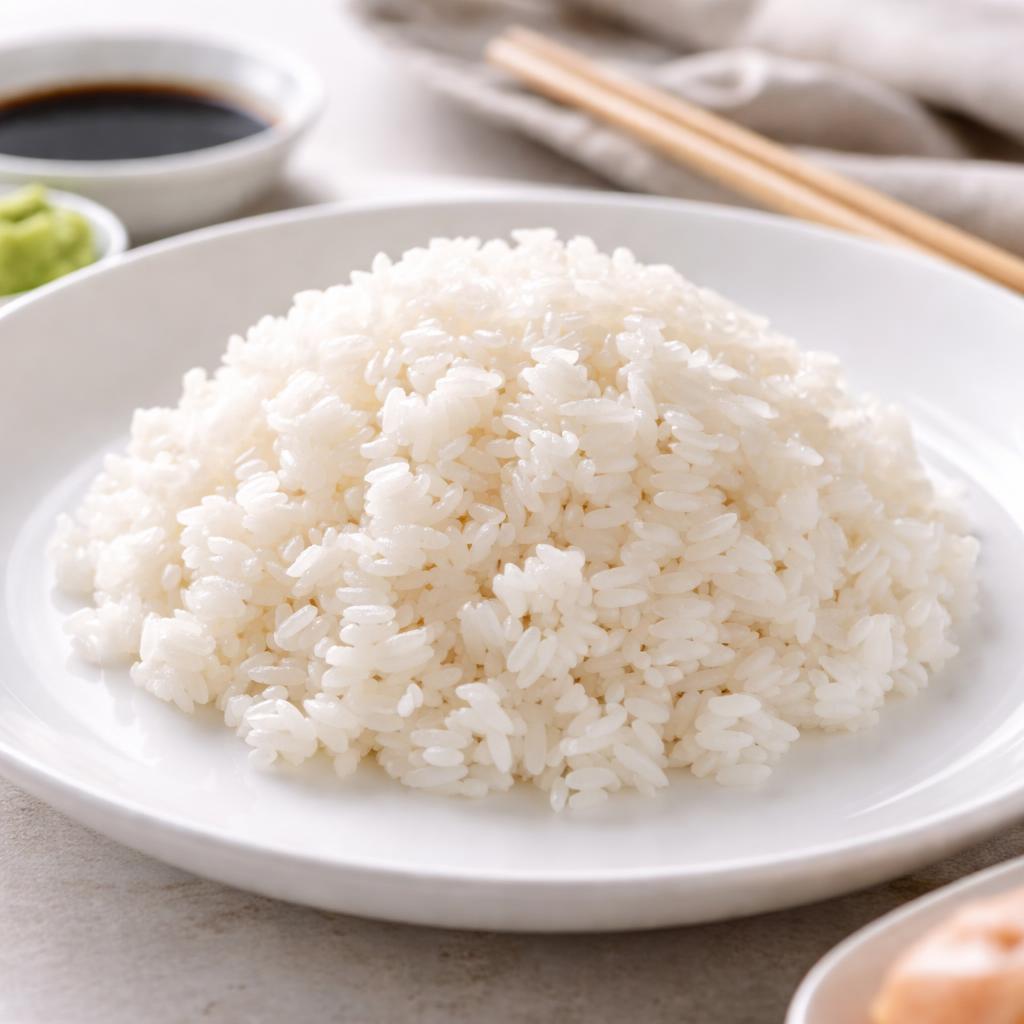
Sushi Rice
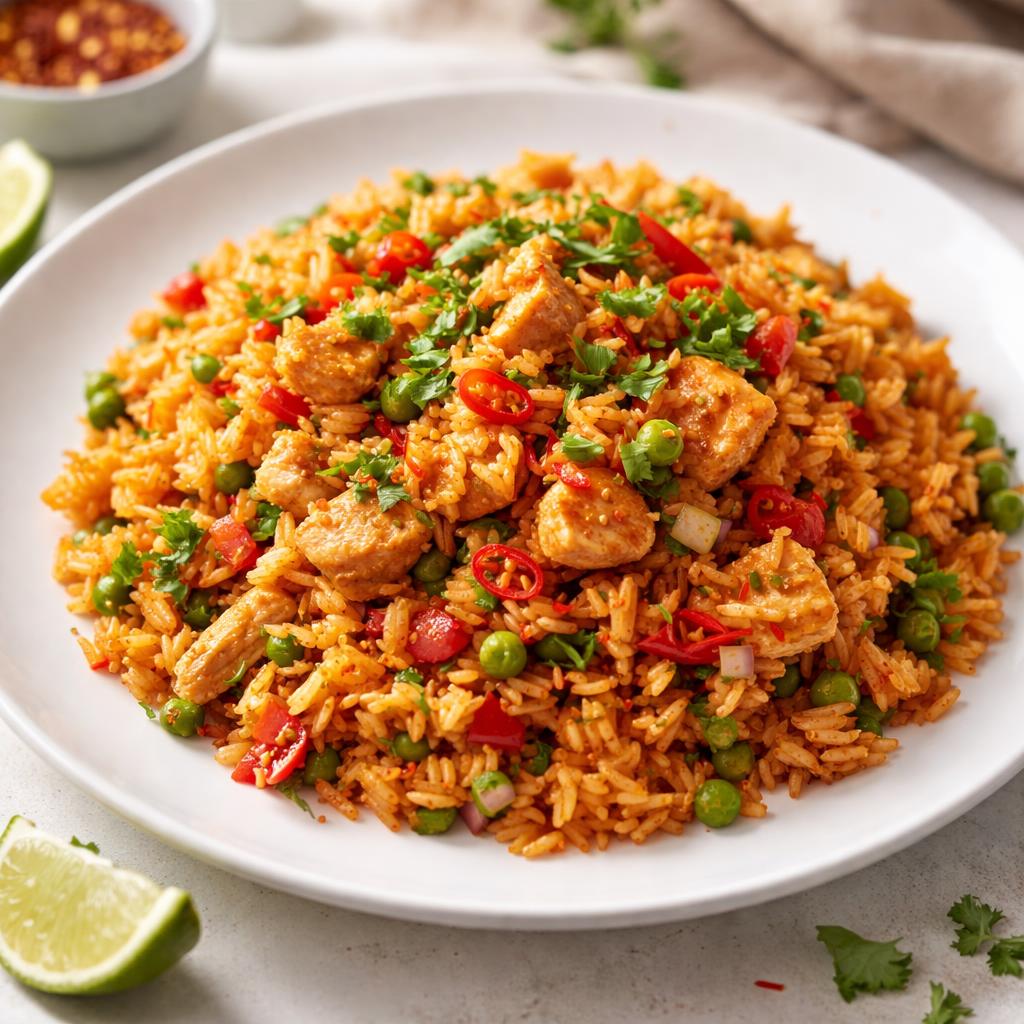
Spicy Rice
🎯 Quick Verdict
Sushi rice and spicy rice differ in key nutritional aspects. Sushi rice is lower in calories and has minimal protein and fiber, making it suitable for lighter meals. Meanwhile, spicy rice offers more protein, fiber, and flavor complexity due to added ingredients, making it a nutrient-dense option for heartier meals or energy-driven diets.

Smart Nutrition Tracking with SnapCalorie

📊 Nutritional Comparison
Macronutrients
| Nutrient | Food 1 | Food 2 | Winner |
|---|---|---|---|
| Calories | 130 | 180 | ✓ |
| Protein | 2g | 6g | ✓ |
| Carbs | 28g | 35g | ✓ |
| Fat | 0.3g | 5g | ✓ |
| Fiber | 0.2g | 3g | ✓ |
Vitamins & Minerals
| Nutrient | Food 1 | Food 2 | Winner |
|---|---|---|---|
| Vitamin C | 0mg | 5mg | ✓ |
| Calcium | 12mg | 25mg | ✓ |
| Iron | 0.1mg | 1mg | ✓ |
🏆 Category Winners
Protein
Food2 has 3x more protein per serving than food1.
Fiber
Food2 offers significantly more fiber, aiding digestion.
Calories
Food1 contains 27% fewer calories per serving.
Vitamins
Food2 has more vitamin C, calcium, and iron due to added ingredients.
🥗 Diet Compatibility
Keto
Food 1: Not Compatible
Food 2: Not Compatible
Both foods are high in carbohydrates.
Vegan
Food 1: Compatible
Food 2: Compatible
Neither food contains animal products, assuming the spicy rice is prepared with plant-based ingredients.
Gluten Free
Food 1: Compatible
Food 2: Depends
Sushi rice is naturally gluten-free, while spicy rice may contain gluten depending on added seasonings.
Paleo
Food 1: Not Compatible
Food 2: Depends
Sushi rice is not paleo-friendly. Spicy rice may be compatible if made with paleo-approved ingredients.
Low-Carb
Food 1: Not Compatible
Food 2: Not Compatible
Both foods are carb-heavy and unsuitable for low-carb diets.
💪 Health Benefits Comparison
Food 1 Benefits
- Low-calorie option for portion control
- Provides quick energy from carbohydrates
- Neutral base for creating varied dishes
Food 2 Benefits
- Higher protein content supports muscle maintenance
- Rich in fiber for improved digestion
- Offers vitamin C for immune support
- Contains healthy fats for sustained energy
✅ The Bottom Line
Choose sushi rice for a lighter, low-calorie base or if you need a neutral carb source. Opt for spicy rice when you require more protein, fiber, and flavor complexity in meals. The latter is ideal for nutrient-dense options and heartier dishes.
Choose Food 1 for: Low-calorie diets, neutral carb base, sushi preparation
Choose Food 2 for: High-protein meals, fiber-rich diets, flavorful meal enhancement


