Sushi Rice VS Rice With Sauce
A detailed nutritional comparison
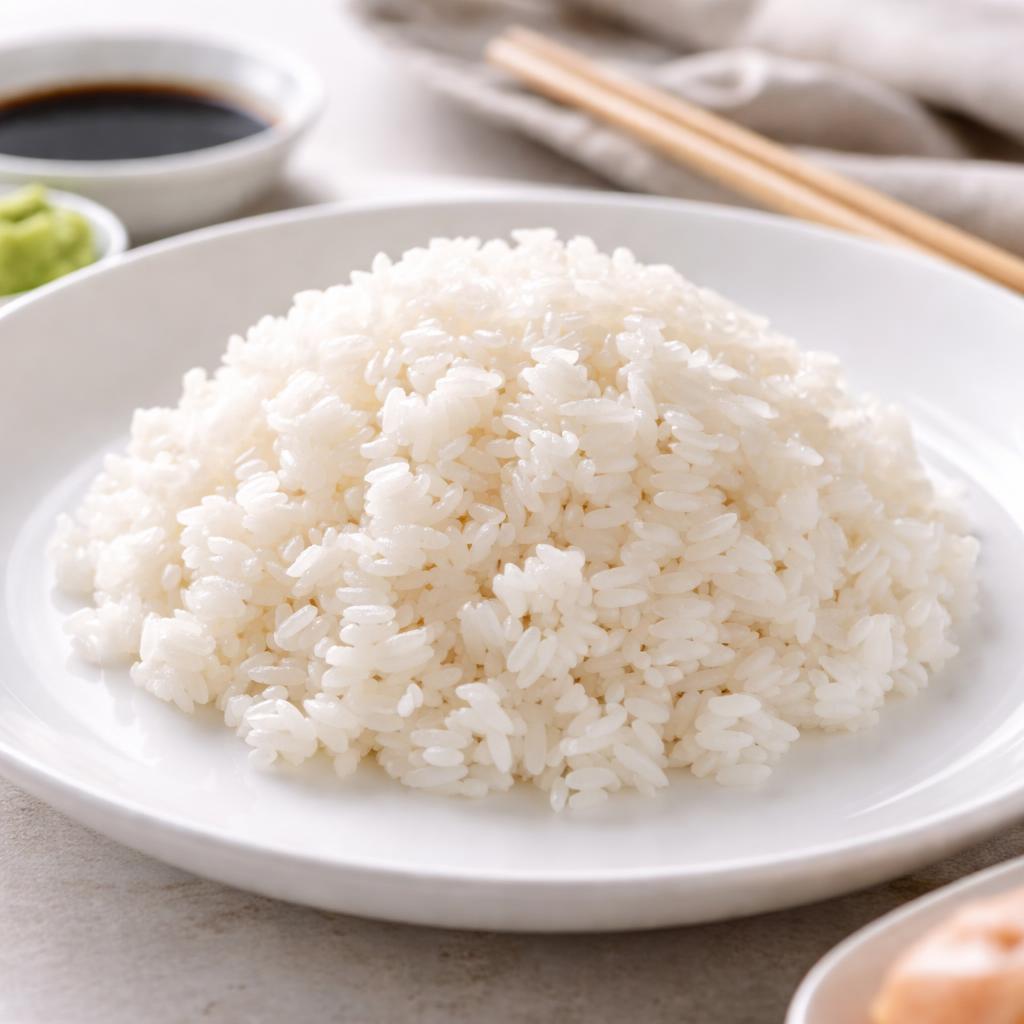
Sushi Rice
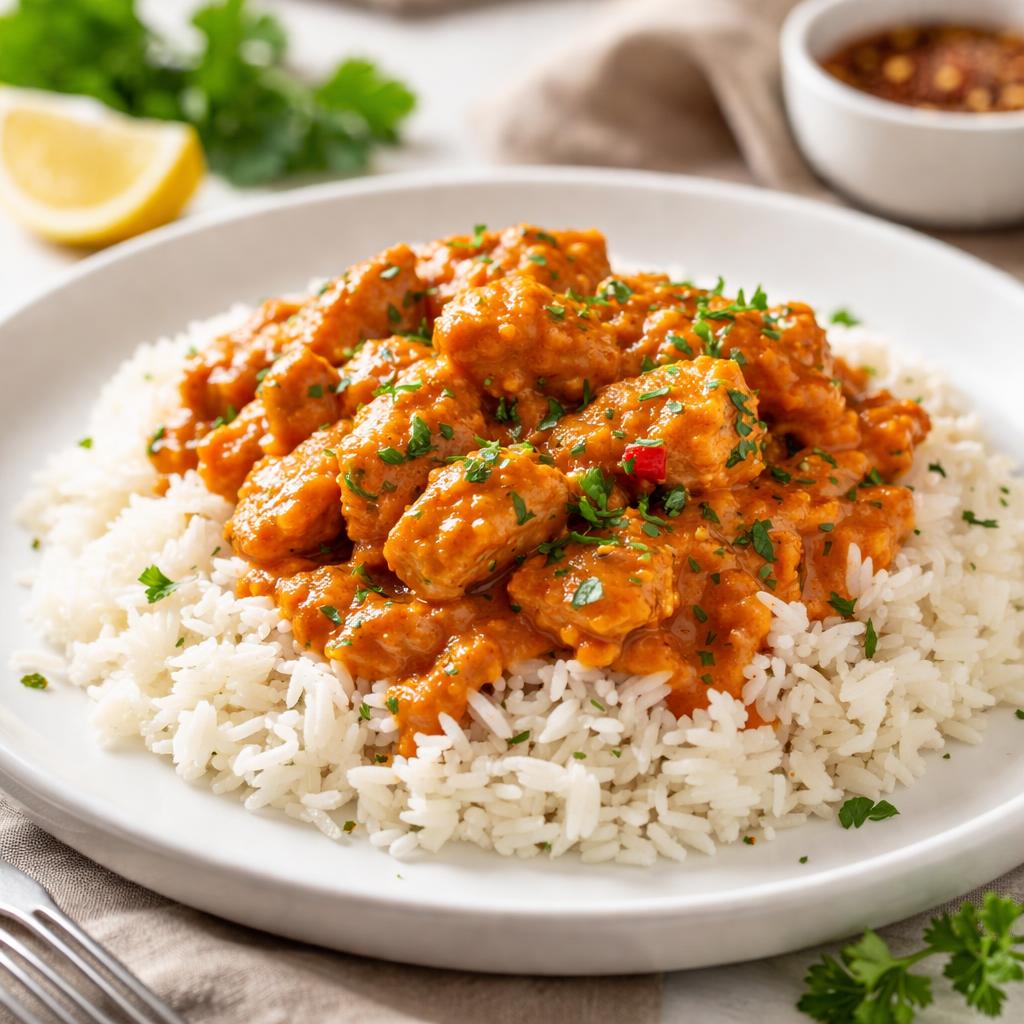
Rice With Sauce
🎯 Quick Verdict
Sushi rice and rice with sauce are similar in their base macronutrient profile but differ significantly in calorie content and fiber. Sushi rice is lower calorie and suitable for lighter meals, while rice with sauce delivers more flavor and additional fiber. Both are versatile options depending on dietary goals.

Smart Nutrition Tracking with SnapCalorie

📊 Nutritional Comparison
Macronutrients
| Nutrient | Food 1 | Food 2 | Winner |
|---|---|---|---|
| Calories | 130 per cup | 220 per cup | − |
| Protein | 2g | 2g | − |
| Carbs | 28g | 26g | − |
| Fat | 0.3g | 7g | − |
| Fiber | 0.5g | 2g | − |
Vitamins & Minerals
| Nutrient | Food 1 | Food 2 | Winner |
|---|---|---|---|
| Vitamin D | 0mcg | 0mcg | − |
| Calcium | 3mg | 15mg | − |
| Iron | 0.2mg | 0.7mg | − |
🏆 Category Winners
Protein
Both foods contain a similar 2g of protein per cup.
Fiber
Rice with sauce has 4x more fiber than sushi rice per cup.
Calories
Sushi rice has 41% fewer calories than rice with sauce.
Vitamins
Rice with sauce provides more calcium and iron than sushi rice.
🥗 Diet Compatibility
Keto
Food 1: Not Compatible
Food 2: Not Compatible
Both foods are high-carb and unsuitable for keto diets.
Vegan
Food 1: Compatible
Food 2: Compatible
Neither contain animal products.
Gluten Free
Food 1: Compatible
Food 2: Check sauce ingredients
Rice is naturally gluten-free, but sauces may contain gluten.
Paleo
Food 1: Not Compatible
Food 2: Not Compatible
Neither aligns strictly with paleo principles due to processing.
Low Carb
Food 1: Not Compatible
Food 2: Not Compatible
Both foods are high-carb, with over 25g per cup.
💪 Health Benefits Comparison
Food 1 Benefits
- Low in calories for weight management
- Easy to digest and gentle on stomach
- Provides quick energy from carbohydrates
Food 2 Benefits
- Higher fiber content aids digestion
- Contains healthy fats for satiety
- Improved mineral content, including calcium and iron
✅ The Bottom Line
Sushi rice is an excellent option for lighter or low-calorie meals and is ideal for weight-conscious individuals. Rice with sauce is better suited for those seeking a more nutrient-dense and fiber-rich option, particularly with flavorful additions. Choose based on your dietary goals and flavor preferences.
Choose Food 1 for: Weight loss, quick-energy meals, light side dishes
Choose Food 2 for: Fiber-rich diets, nutrient-dense meals, flavorful cuisines


