Sushi Rice VS Rice Crispy
A detailed nutritional comparison
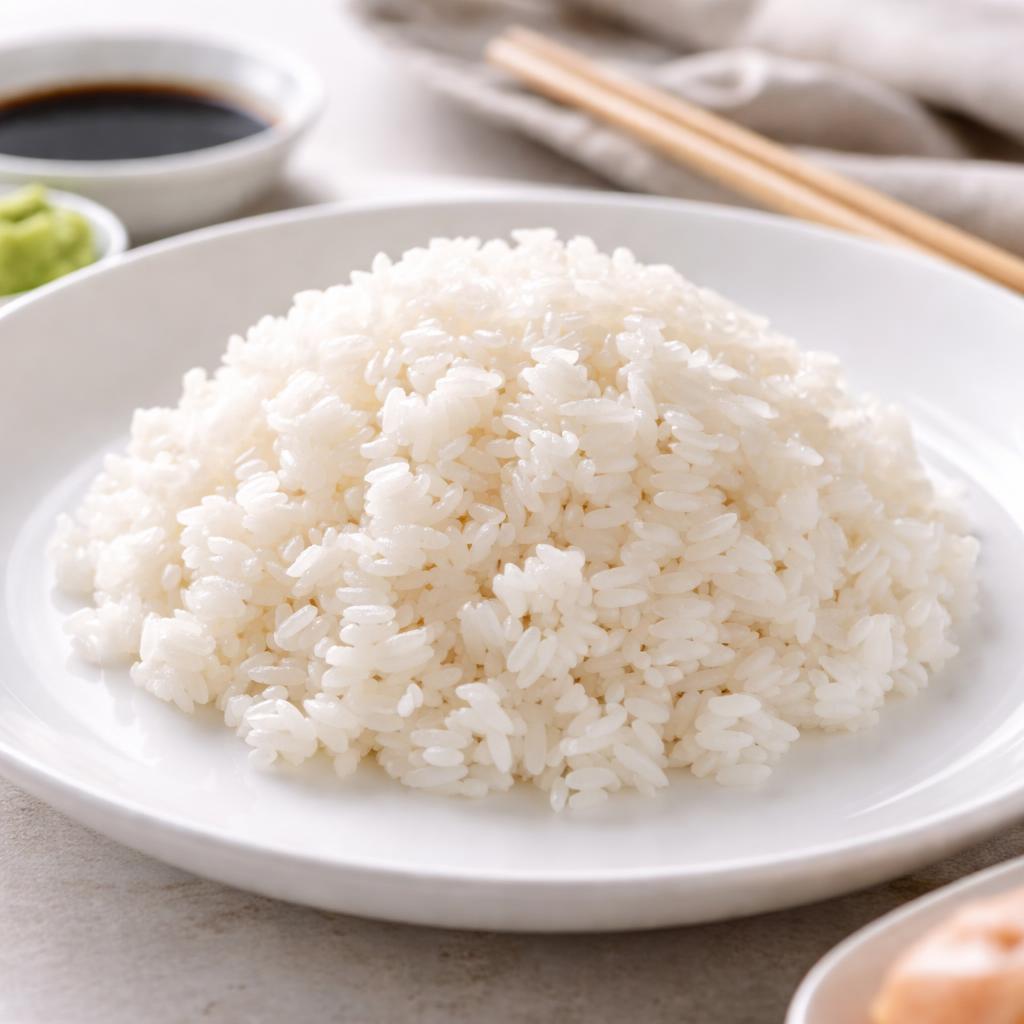
Sushi Rice
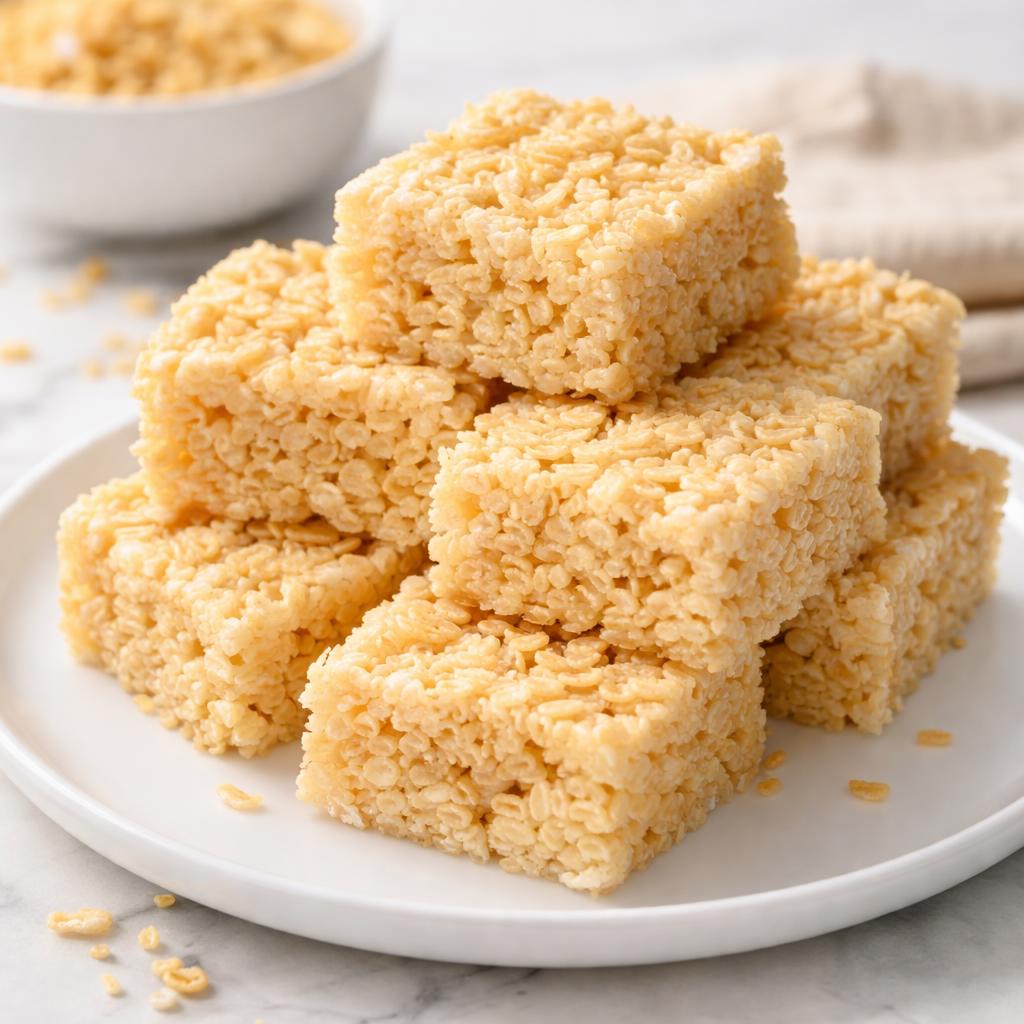
Rice Crispy
🎯 Quick Verdict
Sushi rice and rice crispy differ significantly in nutritional content. Sushi rice is lower in calories and provides slightly more protein and fiber, making it a better choice for balanced diets. Rice crispy is higher in carbohydrates and sugar, which can be suitable for quick energy needs but less optimal for health-conscious diets overall.

Smart Nutrition Tracking with SnapCalorie

📊 Nutritional Comparison
Macronutrients
| Nutrient | Food 1 | Food 2 | Winner |
|---|---|---|---|
| Calories | 130 | 150 | ✓ |
| Protein | 2.5g | 1.5g | ✓ |
| Carbs | 28g | 35g | ✓ |
| Fat | 0g | 1g | ✓ |
| Fiber | 1g | 0.5g | ✓ |
Vitamins & Minerals
| Nutrient | Food 1 | Food 2 | Winner |
|---|---|---|---|
| Vitamin D | 0mcg | 0mcg | − |
| Calcium | 10mg | 5mg | ✓ |
| Iron | 0.2mg | 0.1mg | ✓ |
🏆 Category Winners
Protein
Sushi rice has 1g more protein per serving.
Fiber
Sushi rice offers twice the fiber of rice crispy.
Calories
Sushi rice is lower by 20 calories per serving.
Vitamins
Sushi rice contains more calcium and iron overall.
🥗 Diet Compatibility
Keto
Food 1: Not Compatible
Food 2: Not Compatible
Both are high in carbs.
Vegan
Food 1: Compatible
Food 2: Compatible
Both foods are plant-based.
Gluten Free
Food 1: Compatible
Food 2: Compatible
Neither contains gluten.
Paleo
Food 1: Not Compatible
Food 2: Not Compatible
Both contain refined ingredients unsuitable for paleo diets.
Low Carb
Food 1: Not Compatible
Food 2: Not Compatible
Both are high-carb foods with over 28g per serving.
💪 Health Benefits Comparison
Food 1 Benefits
- Provides sustained energy through slow-releasing carbs
- Low in fat, supporting heart health
- Contains some essential minerals like iron and calcium
Food 2 Benefits
- Quick source of energy due to high carbohydrate content
- Low in fat, making it lighter for snacks
- Can be enjoyed as part of a treat or high-carb meal
✅ The Bottom Line
Sushi rice is a better choice for balanced meals and diets focused on maintaining sustained energy and a lower calorie intake. Rice crispy is ideal for quick energy boosts or as part of a treat but is less nutritionally dense compared to sushi rice.
Choose Food 1 for: Balanced meals, long-lasting energy, low-fat diets
Choose Food 2 for: Quick snack, high-carb needs, post-workout energy


