Sushi Rice VS Chicken Noodles
A detailed nutritional comparison
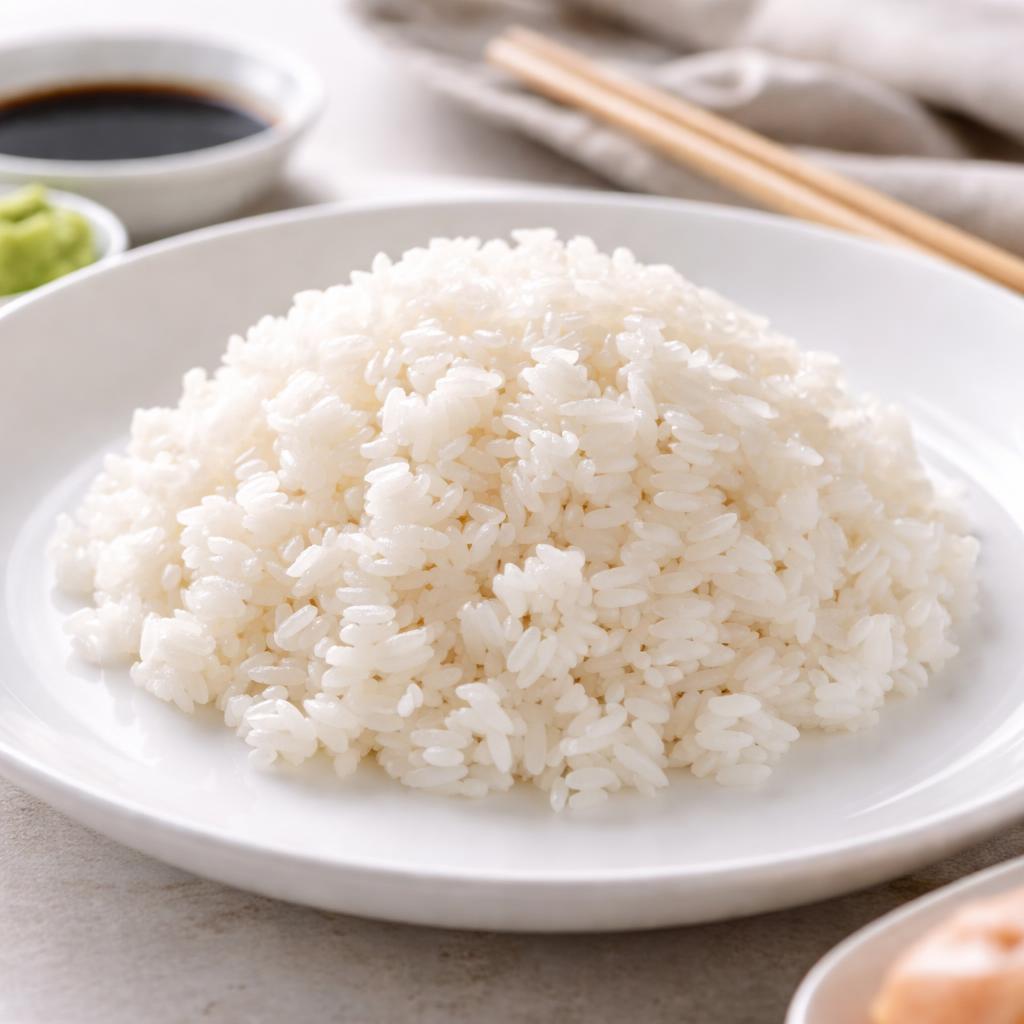
Sushi Rice
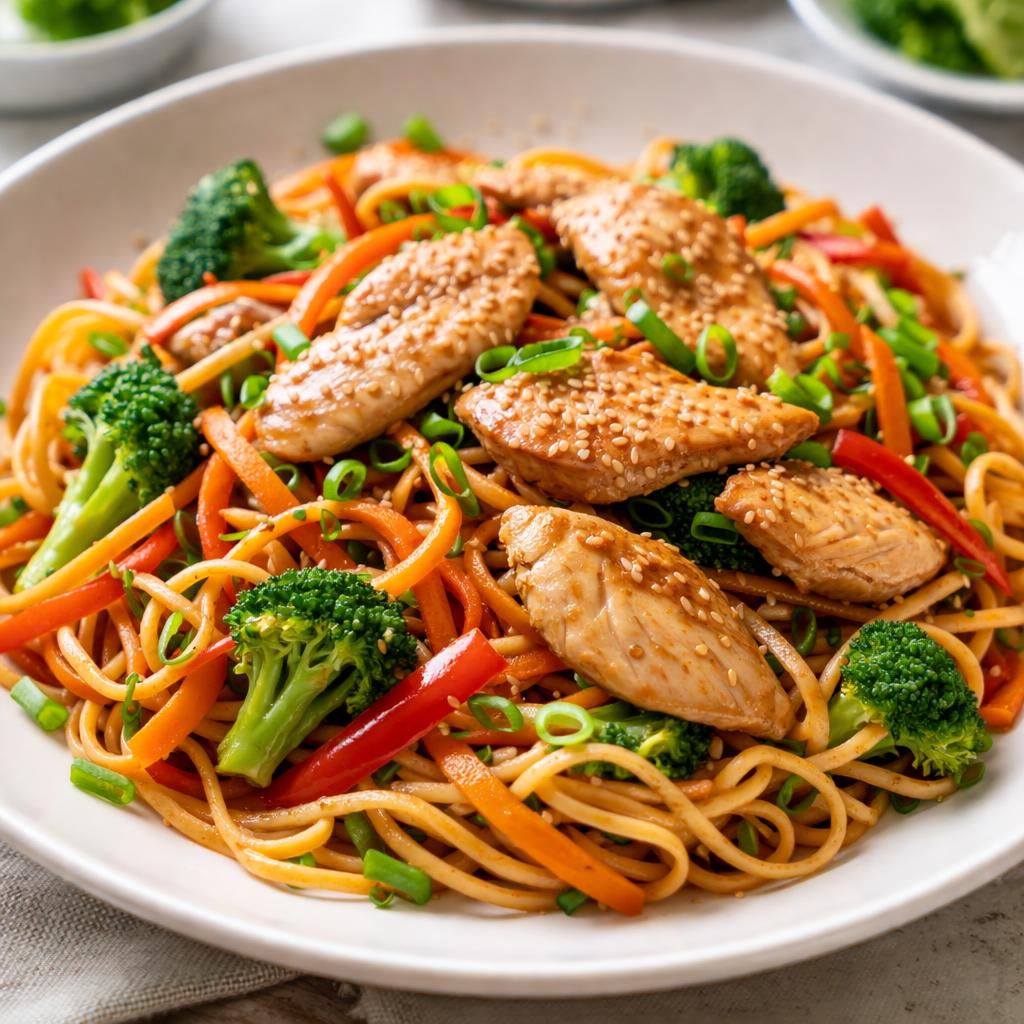
Chicken Noodles
🎯 Quick Verdict
Chicken noodles are overall more nutrient-dense, offering higher protein (16g vs 2g), fiber (3g vs 0g), and essential vitamins. Sushi rice is lower in calories but primarily carbohydrate-based, making it a simpler energy source. Sushi rice is best for quick energy boosts, whereas chicken noodles support balanced meals and muscle repair.

Smart Nutrition Tracking with SnapCalorie

📊 Nutritional Comparison
Macronutrients
| Nutrient | Food 1 | Food 2 | Winner |
|---|---|---|---|
| Calories | 130 | 200 | ✓ |
| Protein | 2g | 16g | ✓ |
| Carbs | 28g | 25g | ✓ |
| Fat | 0.3g | 7g | ✓ |
| Fiber | 0g | 3g | ✓ |
Vitamins & Minerals
| Nutrient | Food 1 | Food 2 | Winner |
|---|---|---|---|
| Vitamin D | 0mcg | 1mcg | ✓ |
| Calcium | 5mg | 20mg | ✓ |
| Iron | 0.3mg | 1.8mg | ✓ |
🏆 Category Winners
Protein
Chicken noodles provide 8x the protein content vs sushi rice per serving.
Fiber
Chicken noodles have 3g of fiber, whereas sushi rice has none.
Calories
Sushi rice contains 35% fewer calories compared to chicken noodles.
Vitamins
Chicken noodles offer superior levels of vitamin D, calcium, and iron.
🥗 Diet Compatibility
Keto
Food 1: Not Compatible
Food 2: Not Compatible
Both are high-carb foods.
Vegan
Food 1: Compatible
Food 2: Not Compatible
Sushi rice is plant-based, chicken noodles include meat.
Gluten Free
Food 1: Compatible
Food 2: Not Compatible
Sushi rice is naturally gluten-free; chicken noodles typically contain wheat.
Paleo
Food 1: Not Compatible
Food 2: Not Compatible
Both contain processed ingredients that do not align with paleo standards.
Low-Carb
Food 1: Not Compatible
Food 2: Not Compatible
Both are high in carbohydrates (over 25g per serving).
💪 Health Benefits Comparison
Food 1 Benefits
- Low calorie content, suitable for weight management
- Quick-digesting carbs to fuel short bursts of energy
- Gluten-free and vegan-friendly
Food 2 Benefits
- Rich in protein for muscle repair and growth
- Provides dietary fiber for improved digestion
- Contains essential minerals like calcium and iron for bone strength and oxygen transport
✅ The Bottom Line
Sushi rice is best for low-calorie, simple carb meals, ideal for energy needs during endurance activities or as a base for vegan dishes. Chicken noodles offer a well-rounded nutritional profile with high protein, fiber, and essential vitamins, making them a better choice for balanced meals and physical recovery.
Choose Food 1 for: Light meals, vegan diets, quick energy sources
Choose Food 2 for: Muscle repair, balanced meals, higher nutrient density


