Steamed Rice VS Vegetable Rice
A detailed nutritional comparison
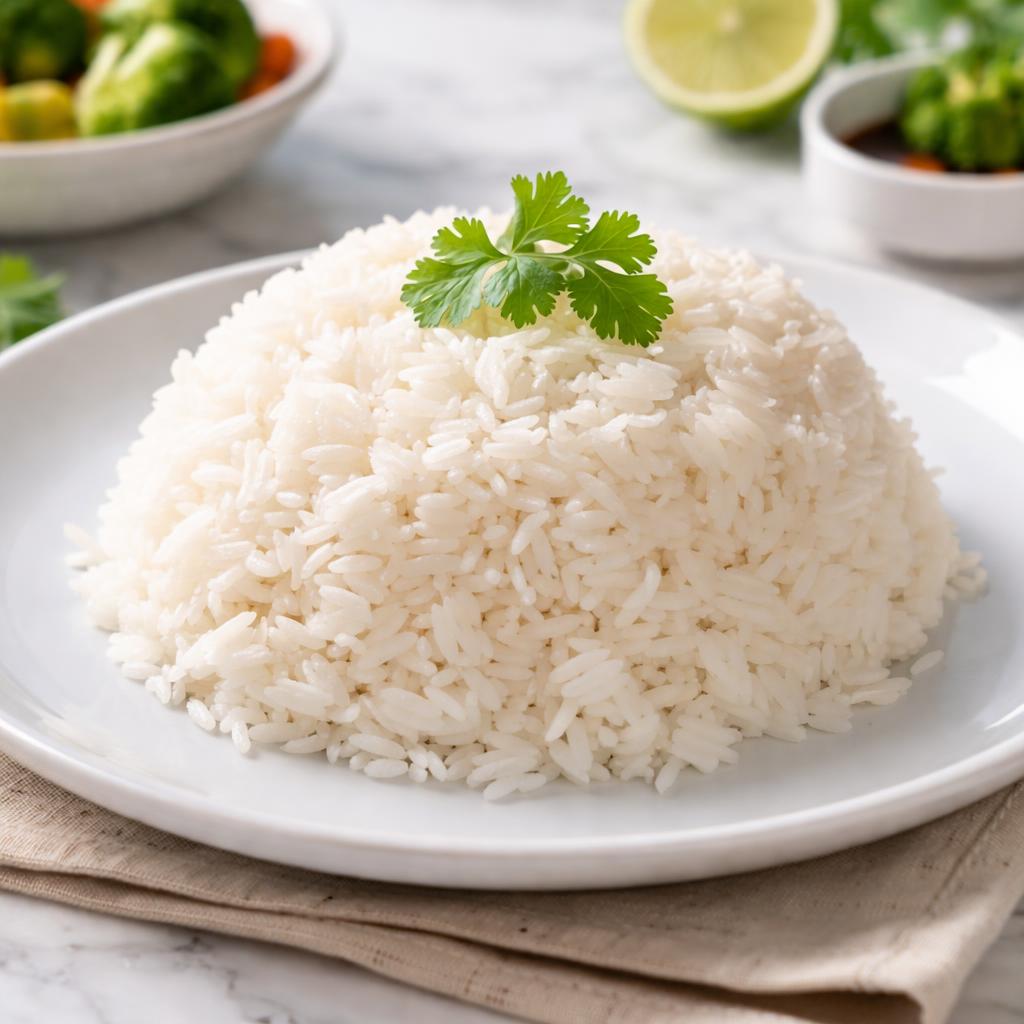
Steamed Rice
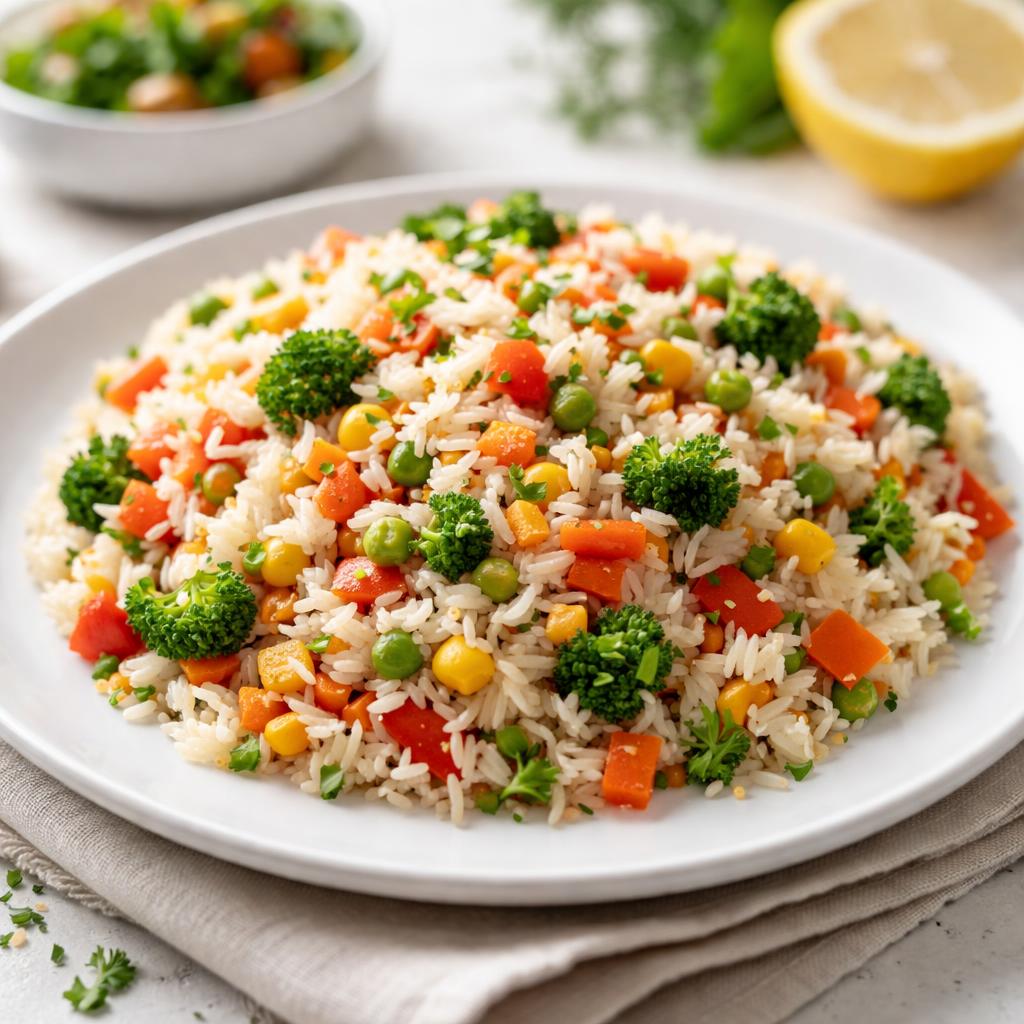
Vegetable Rice
🎯 Quick Verdict
Steamed rice and vegetable rice differ significantly in nutritional composition. Vegetable rice provides higher protein, fiber, and micronutrients due to the inclusion of vegetables, while steamed rice is lower in calories and fat. Steamed rice is best for simpler, lower-calorie meals, whereas vegetable rice serves as a nutrient-dense, balanced side or main dish with enhanced flavor and dietary benefits.

Smart Nutrition Tracking with SnapCalorie

📊 Nutritional Comparison
Macronutrients
| Nutrient | Food 1 | Food 2 | Winner |
|---|---|---|---|
| Calories | 130 | 200 | ✓ |
| Protein | 2.7g | 6g | ✓ |
| Carbs | 28g | 30g | ✓ |
| Fat | 0.3g | 3g | ✓ |
| Fiber | 0.4g | 4g | ✓ |
Vitamins & Minerals
| Nutrient | Food 1 | Food 2 | Winner |
|---|---|---|---|
| Vitamin A | 0mcg | 50mcg | ✓ |
| Vitamin C | 0mg | 10mg | ✓ |
| Iron | 0.2mg | 1mg | ✓ |
🏆 Category Winners
Protein
Vegetable rice has over double the protein per serving compared to steamed rice.
Fiber
Vegetable rice contains 10 times more fiber due to added vegetables.
Calories
Steamed rice is lower in calories since it is prepared without added ingredients like oil or vegetables.
🥗 Diet Compatibility
Keto
Food 1: Not Compatible
Food 2: Not Compatible
Both are high in carbohydrates.
Vegan
Food 1: Compatible
Food 2: Compatible
Both are plant-based.
Gluten Free
Food 1: Compatible
Food 2: Compatible
Neither contains gluten.
Paleo
Food 1: Not Compatible
Food 2: Not Compatible
Rice is not permitted under strict paleo guidelines.
Low-Carb
Food 1: Not Compatible
Food 2: Not Compatible
Both foods are high in carbohydrates, over 20g per serving.
💪 Health Benefits Comparison
Food 1 Benefits
- Good source of quick energy due to high carbohydrates
- Low-calorie meal option
- Easily digestible and gentle on the stomach
Food 2 Benefits
- Rich in dietary fiber for improved digestion
- Provides vitamins like A and C for immune health
- Higher protein for muscle maintenance and repair
- Heart-healthy fats if cooked with healthy oils
✅ The Bottom Line
Steamed rice is simple, lower in calories, and ideal for light meals or as a base for dishes requiring minimal fat or fiber. Vegetable rice, however, is more nutrient-packed due to added vegetables, making it a better choice for balanced meals with more protein, fiber, and vitamins. Choose steamed rice for simplicity or calorie control and vegetable rice for optimal nutrition and flavor.
Choose Food 1 for: Low-calorie diets, easy-to-digest meals, energy needs
Choose Food 2 for: Balanced nutrition, heart-healthy meals, added protein and fiber


