Steamed Rice VS Glass Noodles
A detailed nutritional comparison
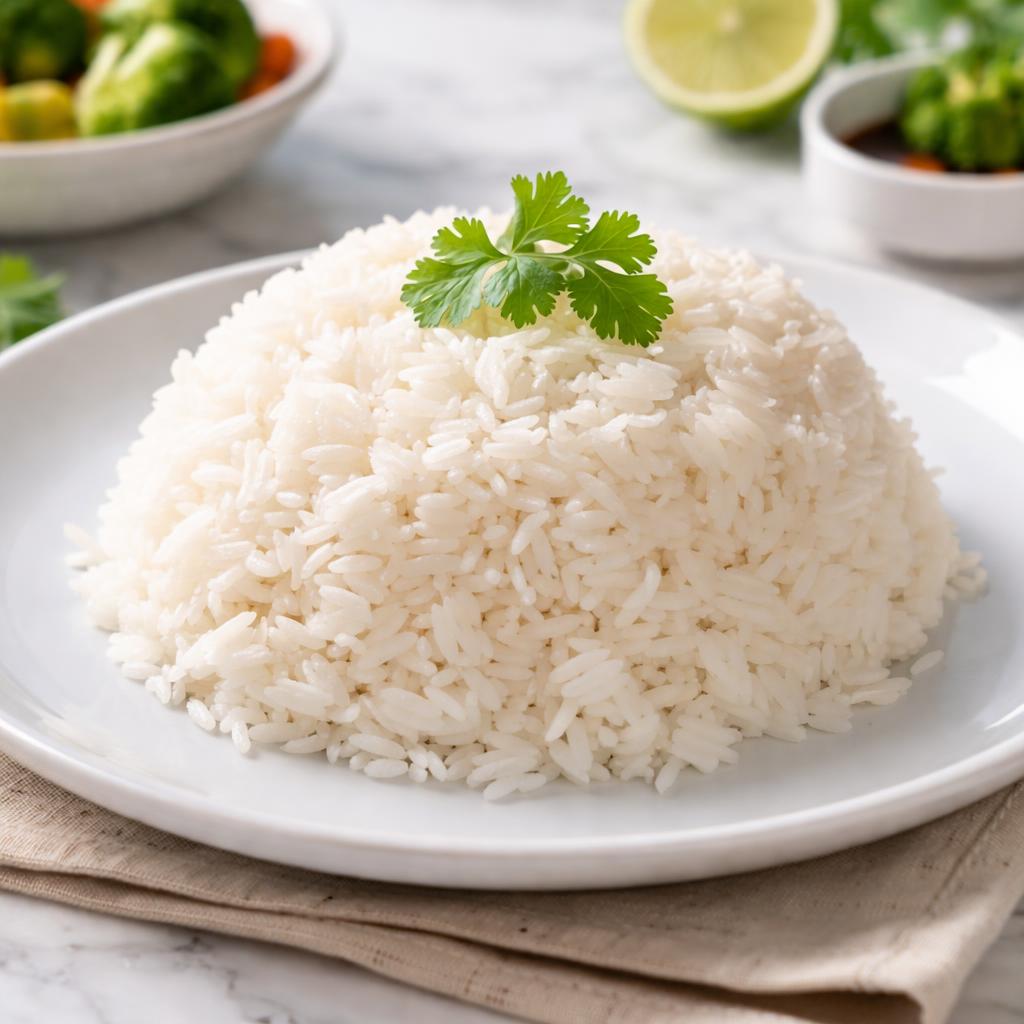
Steamed Rice
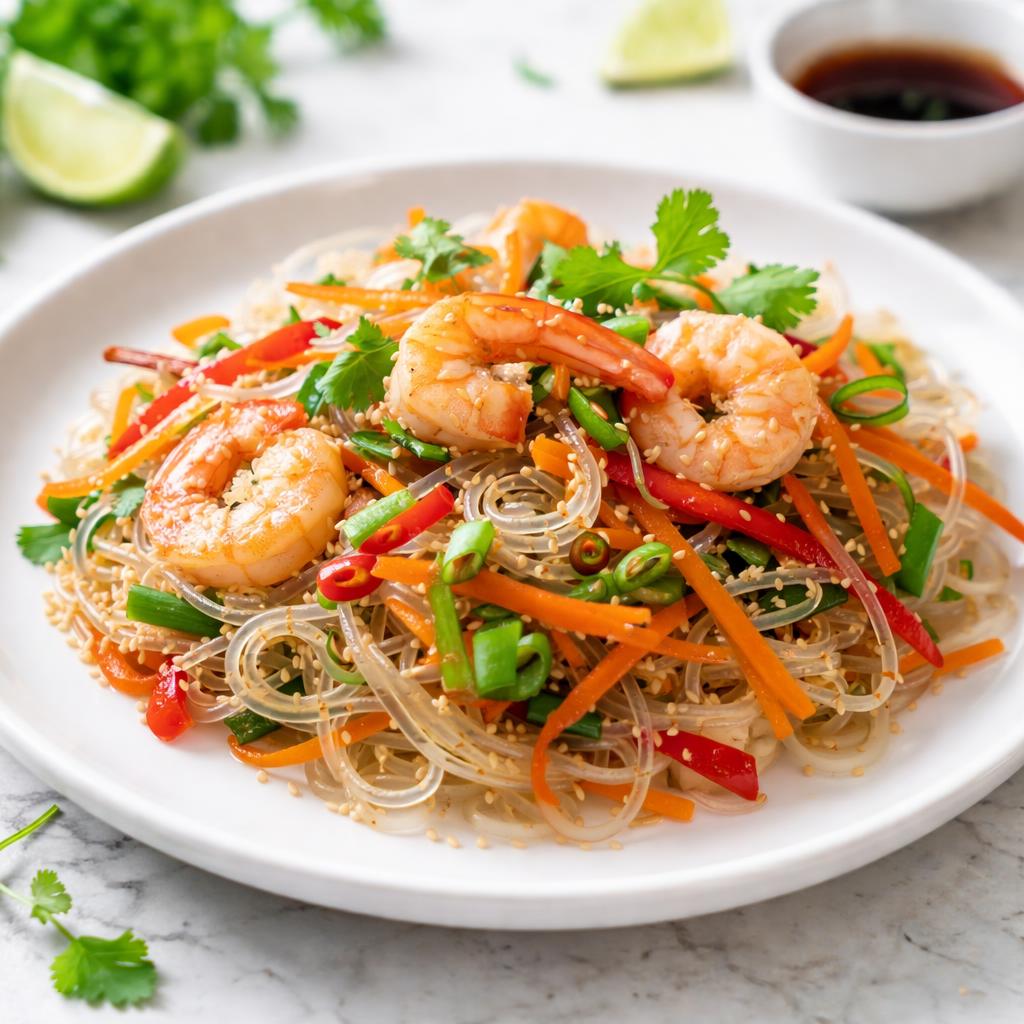
Glass Noodles
🎯 Quick Verdict
While steamed rice is a familiar staple offering more calories and carbohydrates, glass noodles stand out as the lower-calorie option with higher fiber and protein content per serving. Glass noodles are ideal for weight management and diets focusing on nutrient density, whereas steamed rice fits better for energy replenishment or carb-heavy diets.

Smart Nutrition Tracking with SnapCalorie

📊 Nutritional Comparison
Macronutrients
| Nutrient | Food 1 | Food 2 | Winner |
|---|---|---|---|
| Calories | 130 | 80 | ✓ |
| Protein | 2g | 1g | ✓ |
| Carbs | 28g | 20g | ✓ |
| Fat | 0.3g | 0.1g | ✓ |
| Fiber | 0.5g | 1g | ✓ |
Vitamins & Minerals
| Nutrient | Food 1 | Food 2 | Winner |
|---|---|---|---|
| Vitamin D | 0mcg | 0mcg | − |
| Calcium | 10mg | 18mg | ✓ |
| Iron | 0.2mg | 0.7mg | ✓ |
🏆 Category Winners
Protein
Steamed rice has twice the amount of protein per serving.
Fiber
Glass noodles provide twice as much fiber as steamed rice.
Calories
Glass noodles are 38% lower in calories per serving compared to steamed rice.
Vitamins
Glass noodles contain slightly higher levels of calcium and iron.
🥗 Diet Compatibility
Keto
Food 1: Not Compatible
Food 2: Not Compatible
Both are high in carbohydrates and not suitable for keto diets.
Vegan
Food 1: Compatible
Food 2: Compatible
Both are plant-based, making them suitable for vegan diets.
Gluten Free
Food 1: Compatible
Food 2: Compatible
Both foods naturally do not contain gluten.
Paleo
Food 1: Not Compatible
Food 2: Not Compatible
Neither food aligns with paleo principles as processed grains and starches are excluded.
Low-Carb
Food 1: Not Compatible
Food 2: Compatible
Glass noodles contain fewer carbs compared to rice, making them a slightly better option for low-carb diets.
💪 Health Benefits Comparison
Food 1 Benefits
- Provides a quick source of energy due to high carbohydrate content
- Low in fat, making it heart-friendly
- Versatile base for a wide variety of dishes
Food 2 Benefits
- Lower in calories, supporting weight management
- Higher fiber content for better digestion
- Contains small amounts of calcium and iron for bone and blood health
✅ The Bottom Line
Choose steamed rice for a filling, energy-dense meal especially if you need quick carbs for physical activities. On the other hand, glass noodles are lighter, lower in calories, and a better option for weight watchers or those looking for more fiber. Both can seamlessly fit into gluten-free and vegan diets.
Choose Food 1 for: Energy replenishment, high-carb meals, side dishes for protein-rich entrees
Choose Food 2 for: Weight control, diets focused on low-calorie options, light meals


