Sourdough Bread VS Wholemeal Bread
A detailed nutritional comparison
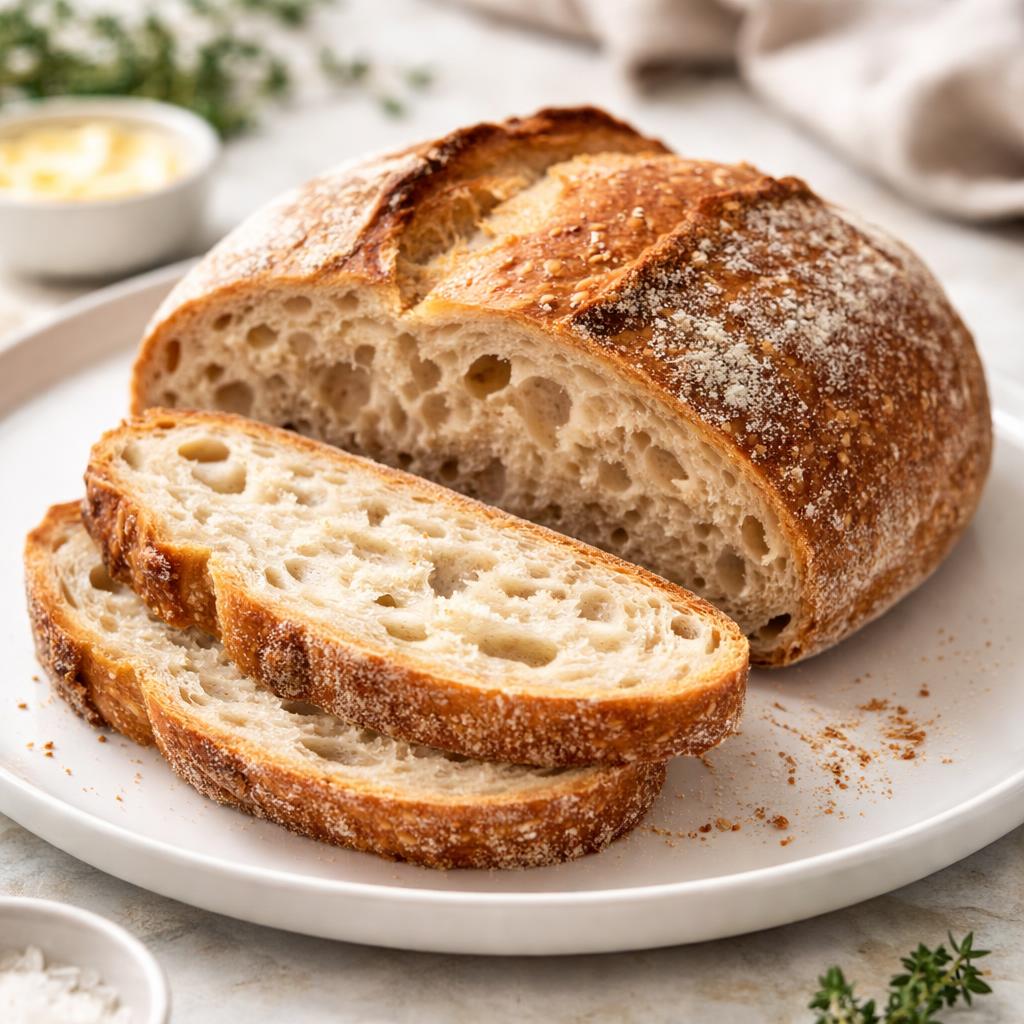
Sourdough Bread
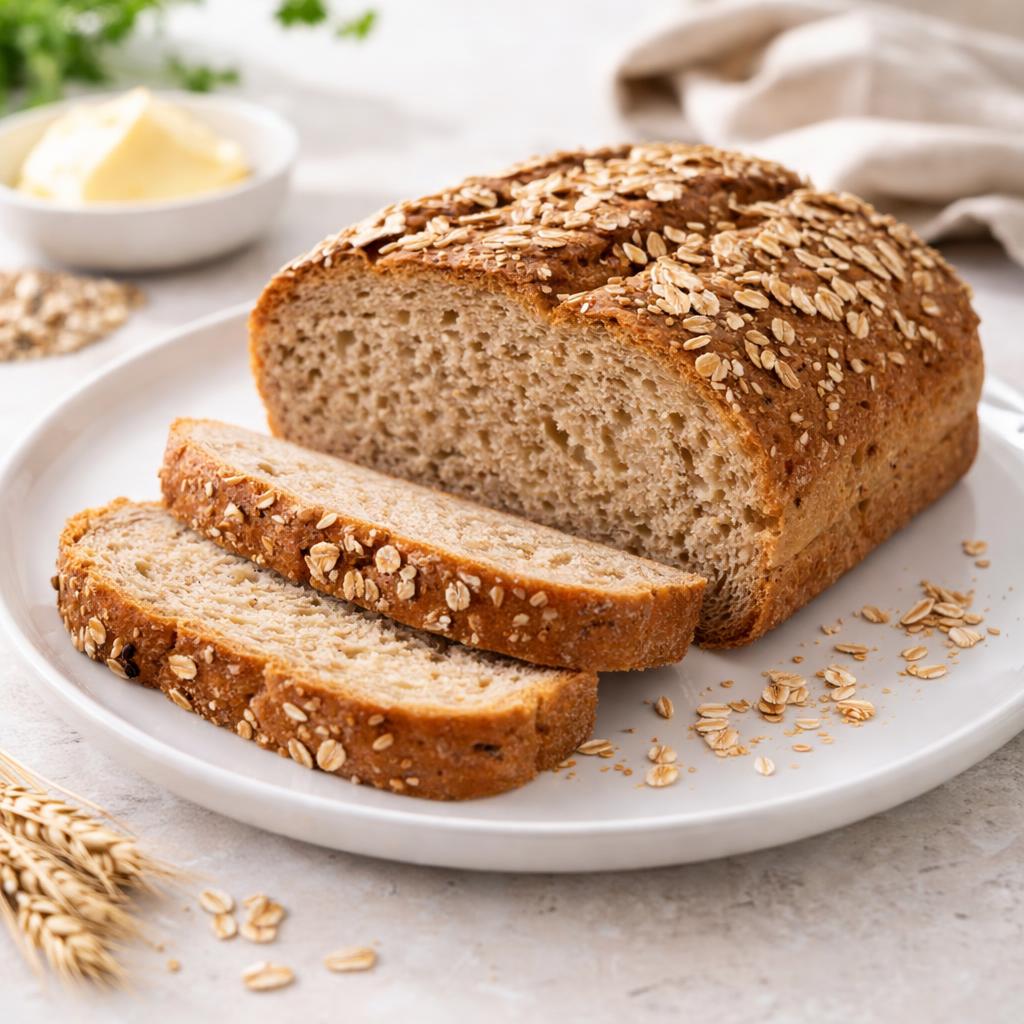
Wholemeal Bread
🎯 Quick Verdict
Wholemeal bread is nutritionally superior to sourdough bread due to its higher protein and fiber content, making it ideal for sustained energy and digestive health. On the other hand, sourdough bread is lower in calories and easier to digest due to its fermentation process, making it a great option for weight management and sensitive stomachs.

Smart Nutrition Tracking with SnapCalorie

📊 Nutritional Comparison
Macronutrients
| Nutrient | Food 1 | Food 2 | Winner |
|---|---|---|---|
| Calories | 180 per slice | 230 per slice | ✓ |
| Protein | 6g per slice | 8g per slice | ✓ |
| Carbs | 36g per slice | 38g per slice | ✓ |
| Fat | 1g per slice | 1.5g per slice | ✓ |
| Fiber | 2g per slice | 4g per slice | ✓ |
Vitamins & Minerals
| Nutrient | Food 1 | Food 2 | Winner |
|---|---|---|---|
| Vitamin B6 | 0.1mg | 0.3mg | ✓ |
| Magnesium | 20mg per slice | 50mg per slice | ✓ |
| Iron | 0.8mg per slice | 1.5mg per slice | ✓ |
🏆 Category Winners
Protein
Wholemeal bread provides 33% more protein per slice.
Fiber
Wholemeal bread has double the fiber content, aiding digestion.
Calories
Sourdough bread is 22% lower in calories per slice.
Vitamins
Wholemeal bread delivers higher levels of vitamins and minerals, like magnesium and iron.
🥗 Diet Compatibility
Keto
Food 1: Not Compatible
Food 2: Not Compatible
Both foods are high-carb and unsuitable for keto diets.
Vegan
Food 1: Compatible
Food 2: Compatible
Both breads are plant-based and suitable for vegan diets.
Gluten Free
Food 1: Not Compatible
Food 2: Not Compatible
Both breads contain gluten and are not suitable for gluten-free diets.
Paleo
Food 1: Not Compatible
Food 2: Not Compatible
Neither bread is paleo-friendly due to grains and gluten.
Low Carb
Food 1: Not Compatible
Food 2: Not Compatible
Both breads exceed daily low-carb limits.
💪 Health Benefits Comparison
Food 1 Benefits
- Lower in calories to support weight management
- Fermented, aiding gut health and digestion
- Contains natural probiotics for immune function
Food 2 Benefits
- High fiber content for improved digestion
- Rich in magnesium for bone and muscle health
- Good source of iron, supporting red blood cell production
- Provides sustained energy from slower-digesting carbohydrates
✅ The Bottom Line
Choose sourdough bread if you have a sensitive stomach or are prioritizing lower calorie intake during weight management. Opt for wholemeal bread if you need higher fiber, protein, and essential nutrients to support sustained energy and overall health.
Choose Food 1 for: Gut health, weight management, lower calorie diets
Choose Food 2 for: High-fiber diets, muscle support, sustained energy


