Sourdough Bread VS Whole Wheat Wrap
A detailed nutritional comparison

Sourdough Bread
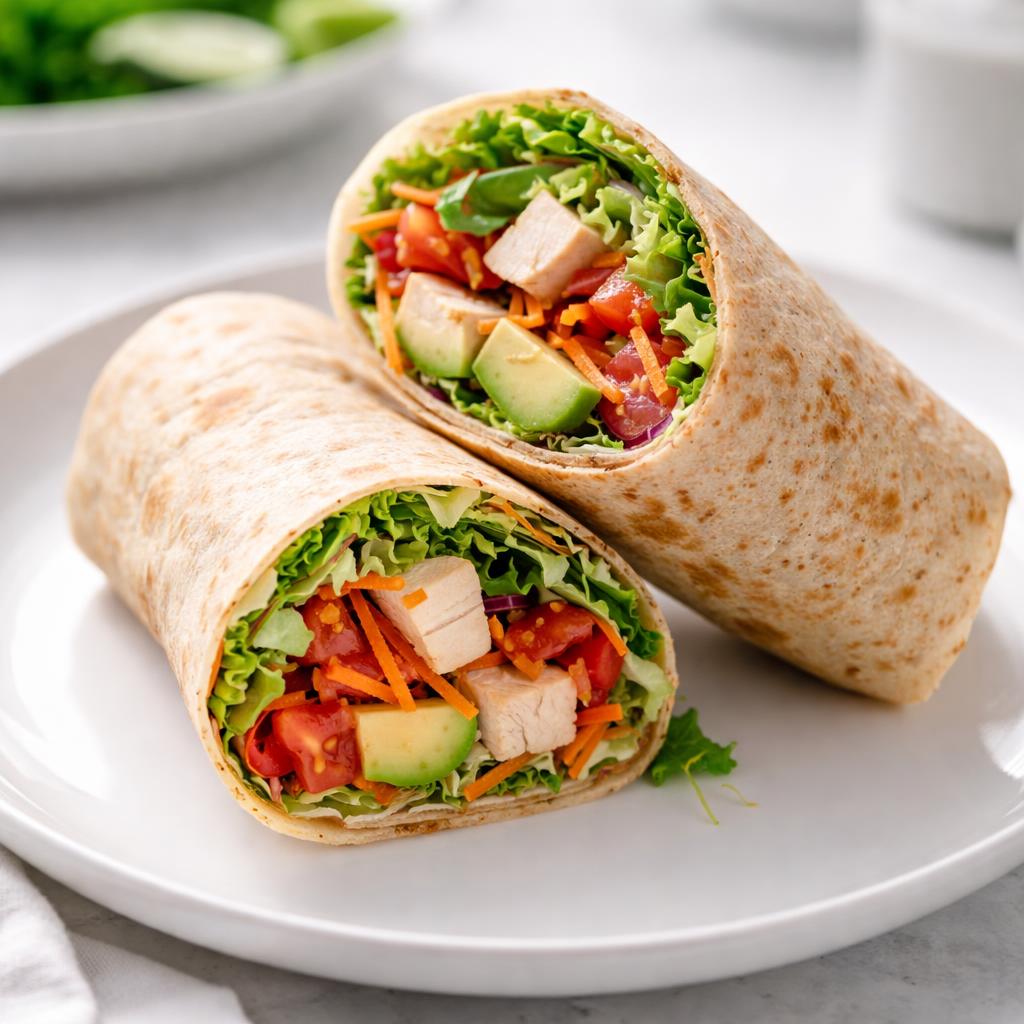
Whole Wheat Wrap
🎯 Quick Verdict
Whole wheat wraps have more protein, fiber, and vitamins than sourdough bread, making them more nutrient-dense overall. However, sourdough bread may be easier on digestion due to its fermentation process. Choose sourdough for a flavorful option and whole wheat wraps for better nutritional balance and versatility in meals.

Smart Nutrition Tracking with SnapCalorie

📊 Nutritional Comparison
Macronutrients
| Nutrient | Food 1 | Food 2 | Winner |
|---|---|---|---|
| Calories | 150 per slice | 150 per wrap | − |
| Protein | 5g | 8g | − |
| Carbs | 30g | 25g | − |
| Fat | 1g | 3g | − |
| Fiber | 1g | 5g | − |
Vitamins & Minerals
| Nutrient | Food 1 | Food 2 | Winner |
|---|---|---|---|
| Vitamin B6 | 0.02mg | 0.26mg | − |
| Calcium | 20mg | 35mg | − |
| Iron | 0.3mg | 1.5mg | − |
🏆 Category Winners
Protein
Whole wheat wrap provides 60% more protein per serving.
Fiber
Whole wheat wrap has 5 times more fiber than sourdough bread.
Calories
Both have similar calorie content per serving size.
🥗 Diet Compatibility
Keto
Food 1: Not Compatible
Food 2: Not Compatible
Both are high-carb foods and not suitable for keto diets.
Vegan
Food 1: Compatible
Food 2: Compatible
Both are plant-based and suitable for vegan diets.
Gluten Free
Food 1: Not Compatible
Food 2: Not Compatible
Both contain gluten from wheat.
Paleo
Food 1: Not Compatible
Food 2: Not Compatible
Grain-based foods are not allowed in paleo diets.
Low Carb
Food 1: Not Compatible
Food 2: Not Compatible
Both foods contain a high amount of carbohydrates.
💪 Health Benefits Comparison
Food 1 Benefits
- Easy to digest due to fermentation
- Lower glycemic index compared to refined breads
- Rich flavor that pairs well with many dishes
Food 2 Benefits
- High in fiber for gut health
- Good source of protein for muscle maintenance
- Contains essential vitamins and minerals such as iron and B6
✅ The Bottom Line
Whole wheat wraps are the more nutritionally balanced choice, offering higher protein and fiber, while sourdough bread is easier to digest and has a lower glycemic index, making it a better option for sensitive stomachs. Both can be enjoyed in a balanced diet depending on your nutritional priorities and meal preferences.
Choose Food 1 for: Gut health, pairing with soups and salads, lower glycemic index meals
Choose Food 2 for: High-protein meals, energy sustenance, nutrient-dense wraps


