Sourdough Bread VS Whole Wheat Toast
A detailed nutritional comparison
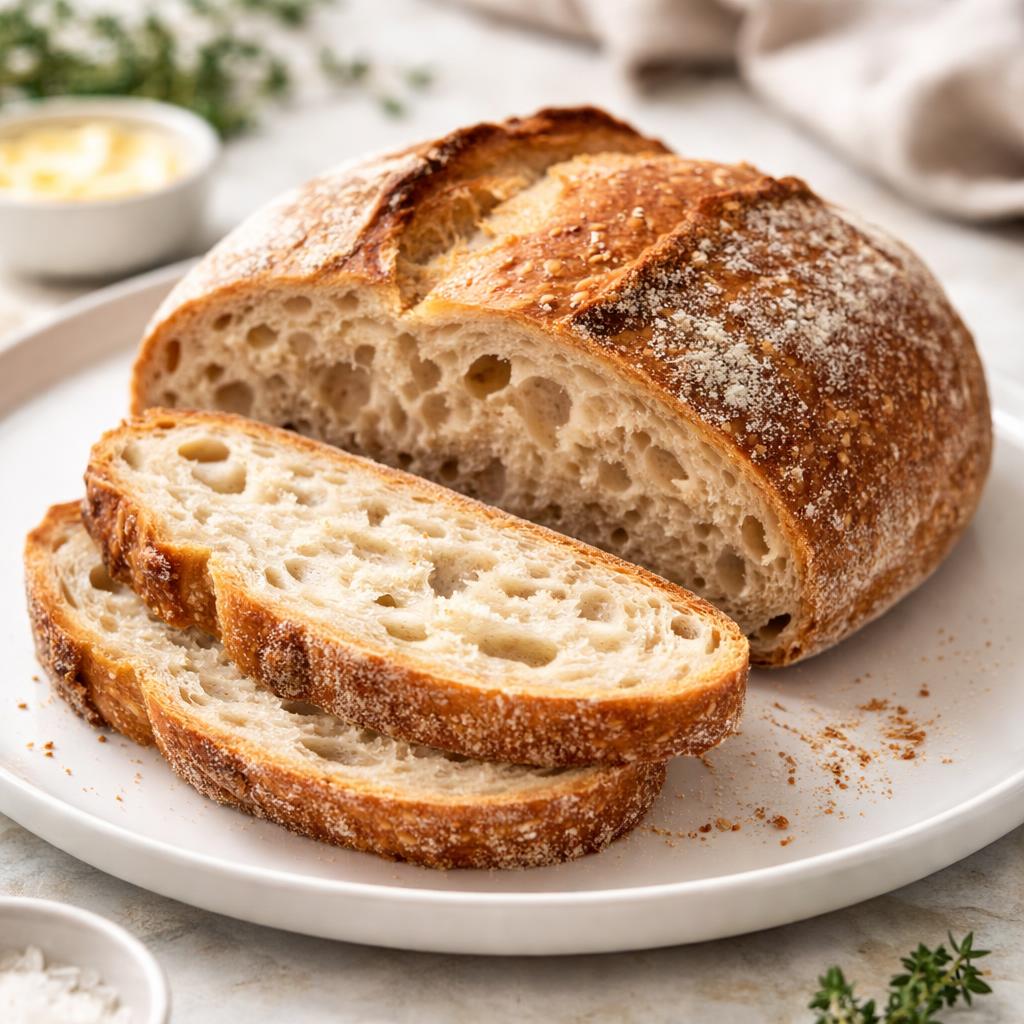
Sourdough Bread
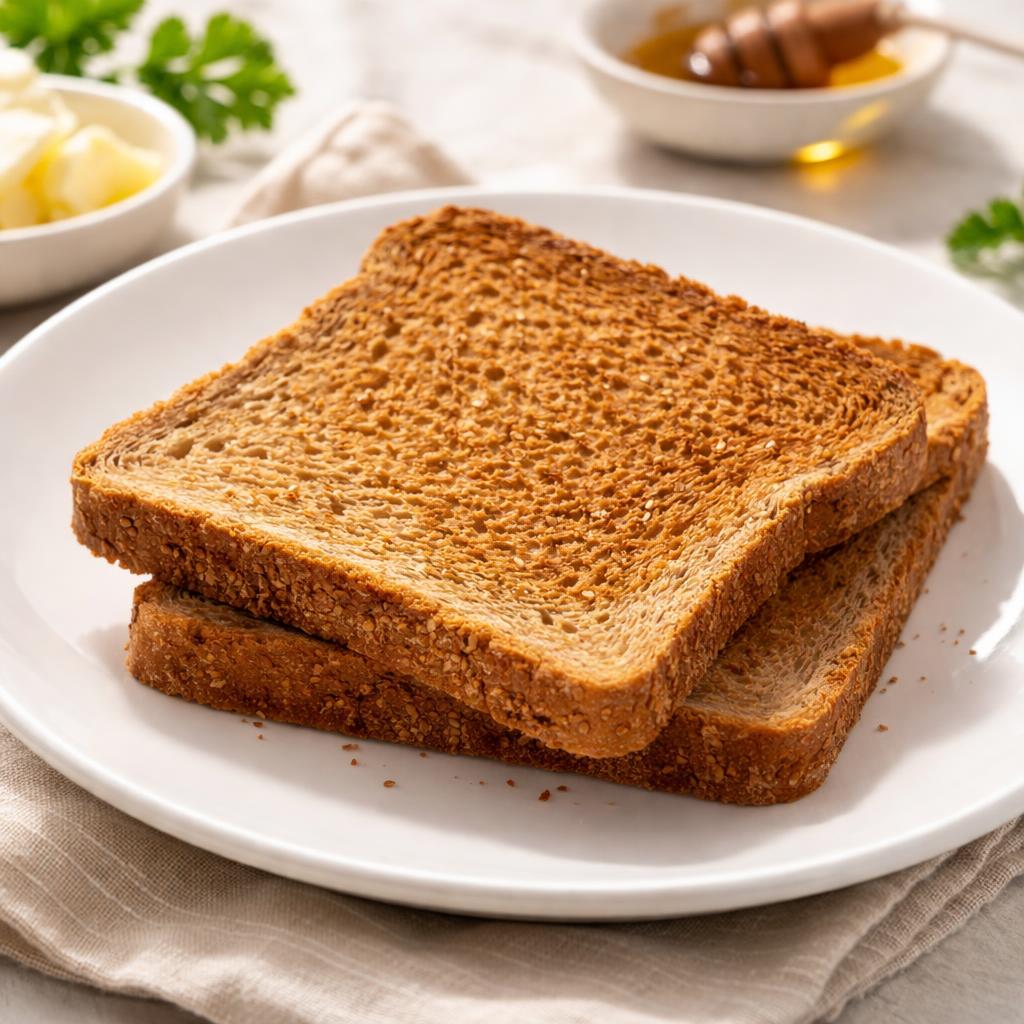
Whole Wheat Toast
🎯 Quick Verdict
Whole wheat toast outperforms sourdough bread in terms of protein, fiber, and micronutrient density. Sourdough bread offers unique digestion benefits due to natural fermentation but lacks the nutrient richness of whole wheat toast. Whole wheat toast is ideal for health-focused dieting, while sourdough bread is excellent for easier digestion and flavor-focused meals.

Smart Nutrition Tracking with SnapCalorie

📊 Nutritional Comparison
Macronutrients
| Nutrient | Food 1 | Food 2 | Winner |
|---|---|---|---|
| Calories | 80 kcal (1 slice) | 80 kcal (1 slice) | − |
| Protein | 3g | 4g | − |
| Carbs | 15g | 14g | − |
| Fat | 0.8g | 1g | − |
| Fiber | 0.9g | 2g | − |
Vitamins & Minerals
| Nutrient | Food 1 | Food 2 | Winner |
|---|---|---|---|
| Vitamin B6 | 0.02mg | 0.05mg | − |
| Folate | 26mcg | 30mcg | − |
| Iron | 0.6mg | 1mg | − |
| Magnesium | 8mg | 20mg | − |
🏆 Category Winners
Protein
Whole wheat toast contains 33% more protein per slice.
Fiber
Whole wheat toast provides over twice the fiber content compared to sourdough bread.
Calories
Both sourdough bread and whole wheat toast have similar calorie counts per slice (80 kcal).
Vitamins
Whole wheat toast outshines sourdough bread in iron, magnesium, folate, and vitamin B6 levels.
🥗 Diet Compatibility
Keto
Food 1: Not Compatible
Food 2: Not Compatible
Both foods are high in carbs and unsuitable for keto diets.
Vegan
Food 1: Compatible
Food 2: Compatible
Both sourdough bread and whole wheat toast are plant-based and vegan-friendly.
Gluten Free
Food 1: Not Compatible
Food 2: Not Compatible
Neither sourdough bread nor whole wheat toast is gluten-free.
Paleo
Food 1: Not Compatible
Food 2: Not Compatible
Neither food fits paleo diets due to grain content.
Low-Carb
Food 1: Not Compatible
Food 2: Not Compatible
Both are high-carb and exceed recommendations for low-carb diets.
💪 Health Benefits Comparison
Food 1 Benefits
- Easier digestion due to fermentation process
- Lower glycemic index compared to traditional breads
- Naturally free of preservatives and additives
Food 2 Benefits
- High in dietary fiber for better gut health
- Rich in iron and magnesium for energy and bone health
- Provides sustained energy due to complex carbohydrates
✅ The Bottom Line
Choose whole wheat toast for higher protein, fiber, and vitamin content when looking for a nutrient-dense option. Opt for sourdough bread if digestion ease and flavor are priorities. Both are suitable for balanced diets but differ in use cases.
Choose Food 1 for: Gut health, flavor-focused meals, lighter digestion
Choose Food 2 for: High-fiber meals, energy sustenance, nutrient-rich diets


