Sourdough Bread VS Whole Wheat Bread
A detailed nutritional comparison

Sourdough Bread
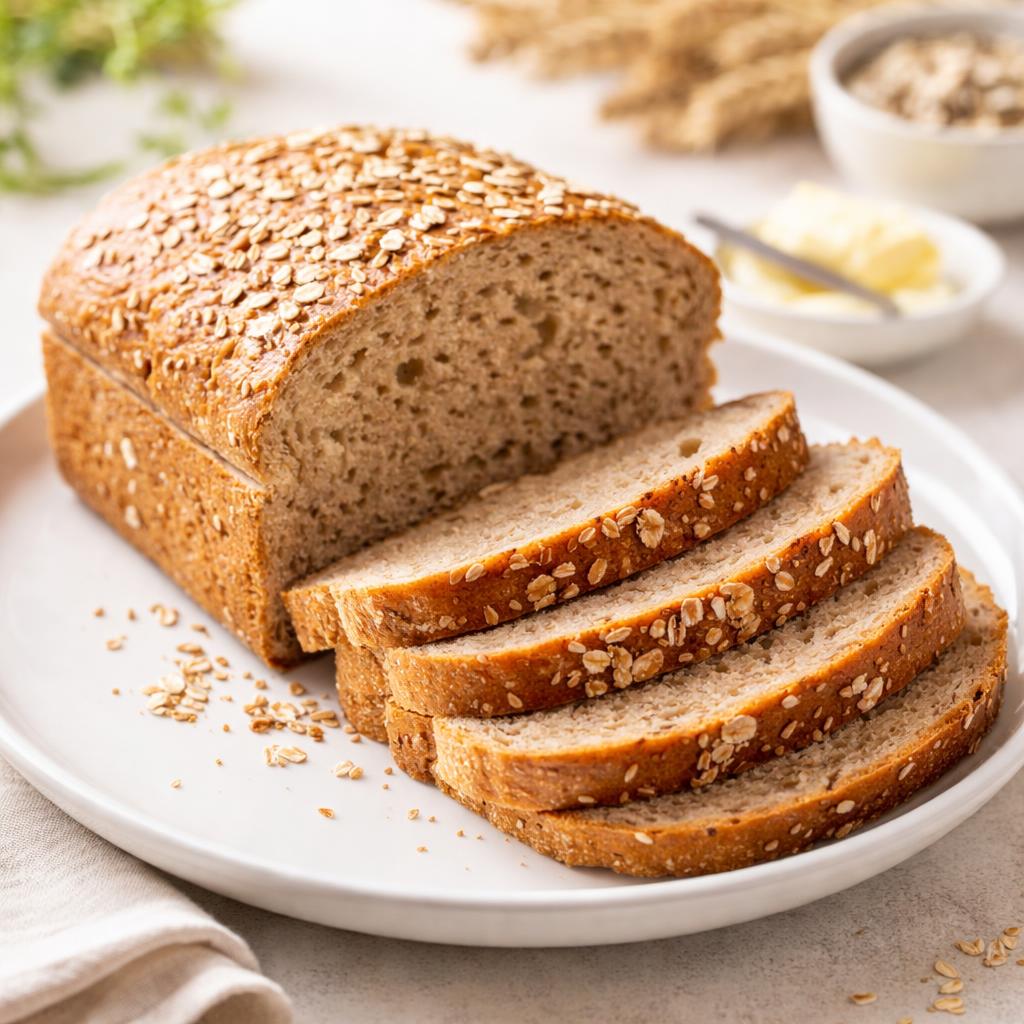
Whole Wheat Bread
🎯 Quick Verdict
Whole wheat bread edges out sourdough bread nutritionally, offering higher protein, fiber, and micronutrient levels. Sourdough bread, however, has lower calories and may be easier to digest due to its fermentation process. Both are versatile carbohydrate options, with sourdough being suited for lighter meals and whole wheat bread ideal for nutrient-rich diets seeking more fiber and protein.

Smart Nutrition Tracking with SnapCalorie

📊 Nutritional Comparison
Macronutrients
| Nutrient | Food 1 | Food 2 | Winner |
|---|---|---|---|
| Calories | 120 kcal | 140 kcal | ✓ |
| Protein | 4g | 5g | ✓ |
| Carbs | 22g | 25g | ✓ |
| Fat | 1g | 1.5g | ✓ |
| Fiber | 1g | 3g | ✓ |
Vitamins & Minerals
| Nutrient | Food 1 | Food 2 | Winner |
|---|---|---|---|
| Vitamin B6 | 0.02mg | 0.1mg | ✓ |
| Vitamin E | 0.01mg | 0.26mg | ✓ |
| Iron | 0.6mg | 1mg | ✓ |
| Magnesium | 8mg | 23mg | ✓ |
🏆 Category Winners
Protein
Whole wheat bread contains 25% more protein than sourdough bread.
Fiber
Whole wheat bread has 3 times more fiber per serving than sourdough.
Calories
Sourdough bread has 15% fewer calories per serving.
Vitamins
Whole wheat bread provides higher levels of essential vitamins like B6, E, and minerals like magnesium and iron.
🥗 Diet Compatibility
Keto
Food 1: Not Compatible
Food 2: Not Compatible
Both are high in carbohydrates (over 20g per serving), making them unsuitable for keto diets.
Vegan
Food 1: Compatible
Food 2: Compatible
Both are made without animal products and are vegan-friendly.
Gluten Free
Food 1: Not Compatible
Food 2: Not Compatible
Both contain gluten and are unsuitable for gluten-free diets.
Paleo
Food 1: Not Compatible
Food 2: Not Compatible
Neither is compatible with paleo diets due to grain content.
Low-Carb
Food 1: Not Compatible
Food 2: Not Compatible
Both are high-carb options unsuitable for low-carb diets.
💪 Health Benefits Comparison
Food 1 Benefits
- Lower calorie option for controlled energy intake
- Easier digestion due to natural fermentation
- Provides natural probiotics from bacterial fermentation
Food 2 Benefits
- High in dietary fiber for improved digestion
- Rich in essential minerals like magnesium for bone health
- Source of B vitamins for energy metabolism
- Supports heart health with antioxidant-rich vitamin E
✅ The Bottom Line
Whole wheat bread is the better choice for fiber, protein, and vitamin/mineral content, making it suitable for nutrient-dense diets. Sourdough bread, however, has fewer calories and is easier to digest due to fermentation, making it ideal for sensitive stomachs and lower-calorie meals.
Choose Food 1 for: Digestive health, lower-calorie meals, sensitive stomachs
Choose Food 2 for: Nutrient-dense diets, fiber intake, muscle support


