Sourdough Bread VS Sourdough Rye Bread
A detailed nutritional comparison
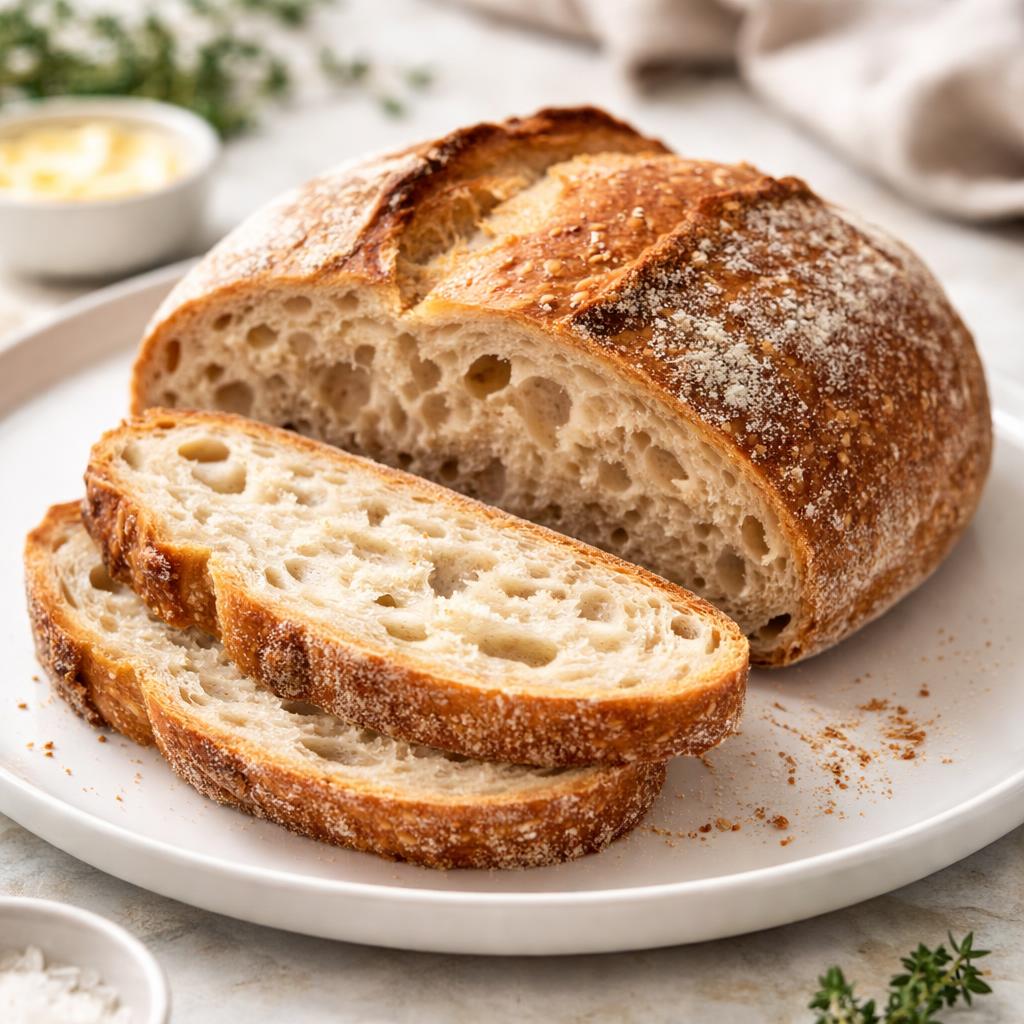
Sourdough Bread
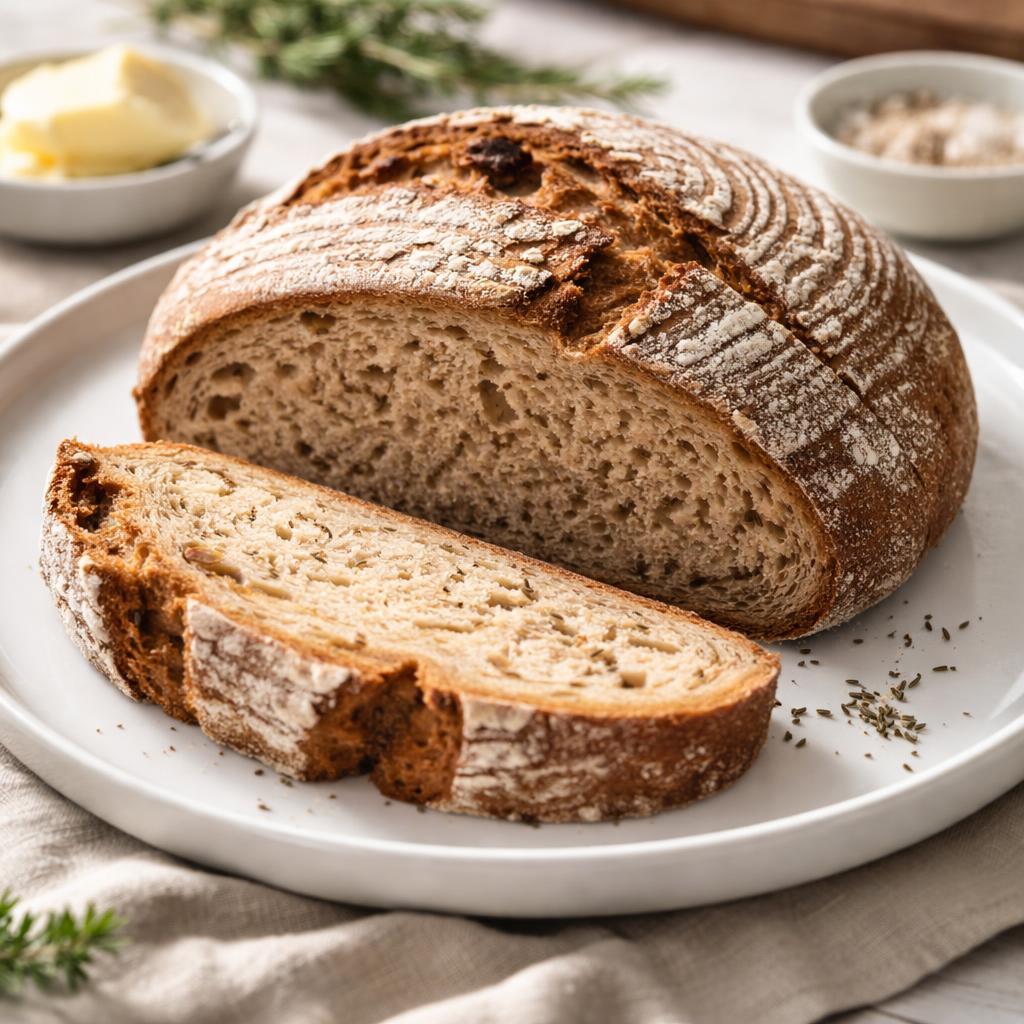
Sourdough Rye Bread
🎯 Quick Verdict
Sourdough rye bread is higher in protein and fiber, making it a more nutrient-dense choice. Sourdough bread, on the other hand, has fewer calories per serving, which may be better for calorie-conscious diets. Both breads are good sources of energy and can fit into plant-based and gluten-conscious diets depending on preparation style.

Smart Nutrition Tracking with SnapCalorie

📊 Nutritional Comparison
Macronutrients
| Nutrient | Food 1 | Food 2 | Winner |
|---|---|---|---|
| Calories | − | ||
| Protein | − | ||
| Carbs | − | ||
| Fat | − | ||
| Fiber | − |
Vitamins & Minerals
| Nutrient | Food 1 | Food 2 | Winner |
|---|---|---|---|
| Vitamin B6 | − | ||
| Magnesium | − | ||
| Iron | − |
🏆 Category Winners
Protein
Sourdough rye bread has 16% more protein per serving.
Fiber
Sourdough rye bread contains 100% more fiber per slice.
Calories
Sourdough bread is lower in calories by approximately 9% per serving.
Vitamins
Sourdough rye bread has higher levels of Vitamin B6, magnesium, and iron.
🥗 Diet Compatibility
Keto
Food 1: Unknown
Food 2: Unknown
Both are high in carbohydrates.
Vegan
Food 1: Unknown
Food 2: Unknown
Neither contains animal-derived ingredients.
Gluten Free
Food 1: Unknown
Food 2: Unknown
Both are made with gluten-containing flours.
Paleo
Food 1: Unknown
Food 2: Unknown
Neither conforms to paleo guidelines as they rely on grains.
Low Carb
Food 1: Unknown
Food 2: Unknown
Both contain over 40g of carbs per serving, exceeding low-carb limits.
💪 Health Benefits Comparison
Food 1 Benefits
Food 2 Benefits
✅ The Bottom Line
Sourdough rye bread is a better choice for those seeking higher nutrients like protein, fiber, and minerals, while sourdough bread is preferable for lighter calorie needs and a versatile base. Both options are excellent sources of energy but suit different nutritional goals.


