Slice Of Bread VS Sliced Bread
A detailed nutritional comparison
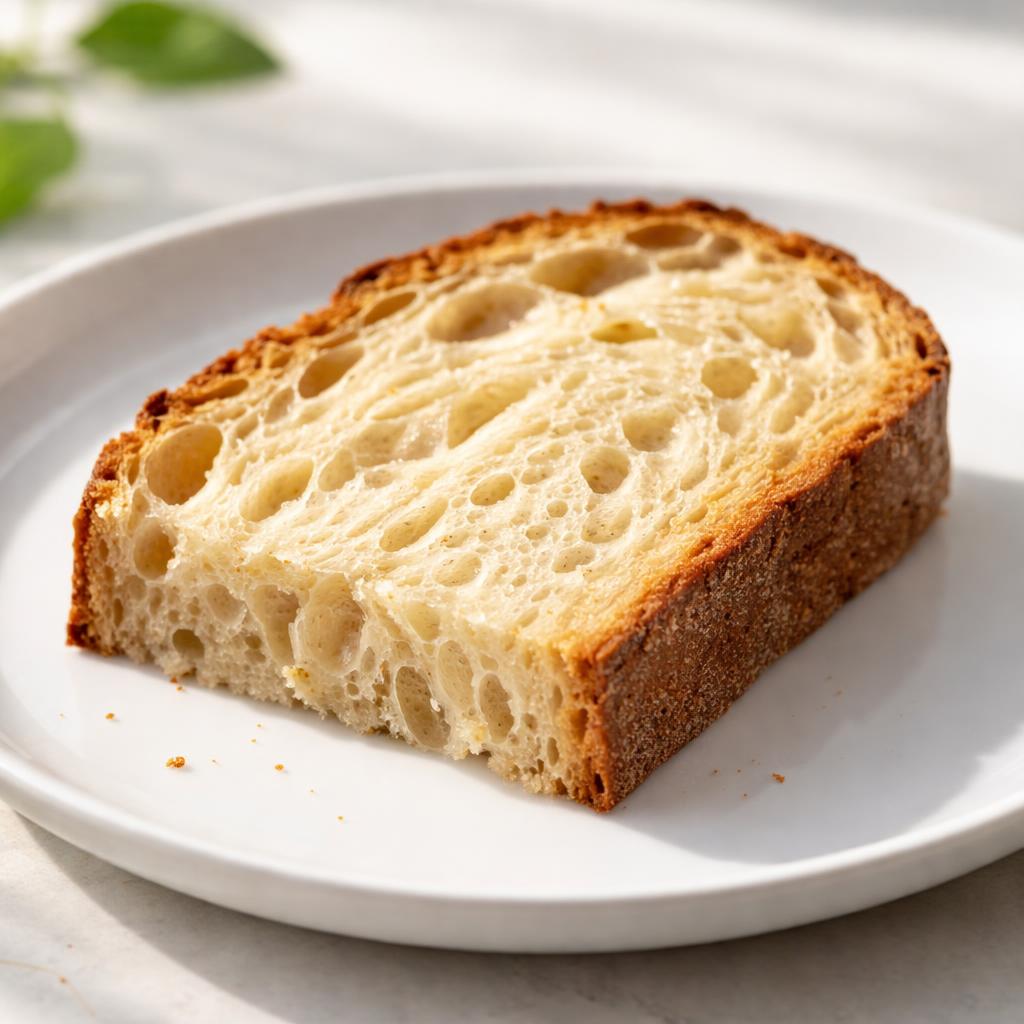
Slice Of Bread
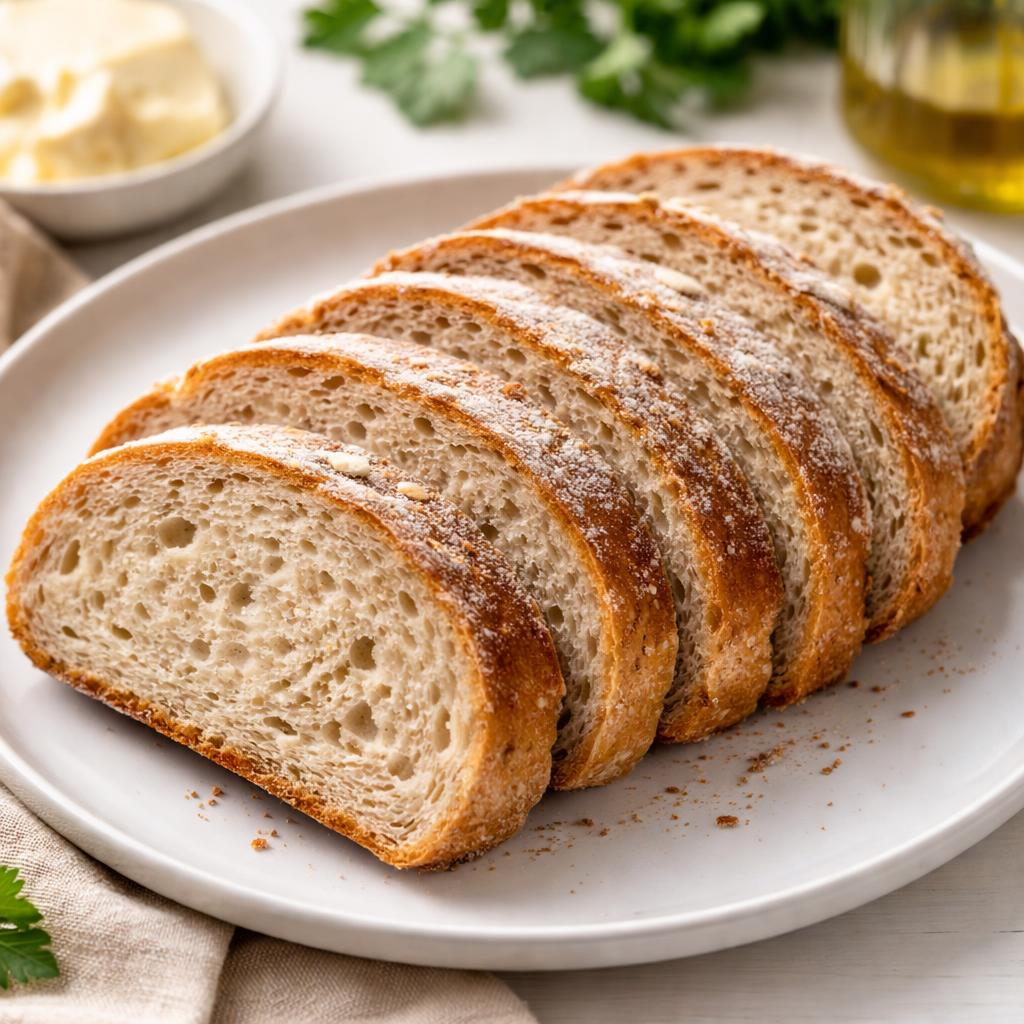
Sliced Bread
🎯 Quick Verdict
Food 1 (slice of bread) and Food 2 (sliced bread) are essentially the same nutritionally, as both refer to the same food in different phrasing. This comparison highlights typical nutritional data for white bread per slice. Minor differences may exist depending on the brand or type of bread, but for practical purposes, they are interchangeable in nutrition content.

Smart Nutrition Tracking with SnapCalorie

📊 Nutritional Comparison
Macronutrients
| Nutrient | Food 1 | Food 2 | Winner |
|---|---|---|---|
| Calories | 80 | 80 | − |
| Protein | 2g | 2g | − |
| Carbs | 15g | 15g | − |
| Fat | 1g | 1g | − |
| Fiber | 0.5g | 0.5g | − |
Vitamins & Minerals
| Nutrient | Food 1 | Food 2 | Winner |
|---|---|---|---|
| Vitamin D | 0mcg | 0mcg | − |
| Calcium | 30mg | 30mg | − |
| Iron | 0.8mg | 0.8mg | − |
🏆 Category Winners
Protein
Both contain identical protein levels at 2g per slice.
Fiber
Each option provides 0.5g of fiber per slice.
Calories
Calories per slice are the same for both foods.
🥗 Diet Compatibility
Keto
Food 1: Not Compatible
Food 2: Not Compatible
Both are high in carbs and not suitable for keto diets.
Vegan
Food 1: Compatible
Food 2: Compatible
Most bread varieties are vegan unless they include dairy or honey.
Gluten Free
Food 1: Not Compatible
Food 2: Not Compatible
Standard bread contains gluten from wheat flour.
Paleo
Food 1: Not Compatible
Food 2: Not Compatible
Bread is not paleo-friendly due to grains.
Low Carb
Food 1: Not Compatible
Food 2: Not Compatible
Bread provides 15g of carbs per slice, too high for a low-carb diet.
💪 Health Benefits Comparison
Food 1 Benefits
- Provides energy from carbohydrates
- Source of trace amounts of calcium and iron
- Convenient and versatile for meals
Food 2 Benefits
- Supports energy needs via fast-digesting carbs
- Contains small amounts of essential minerals
- Portable and easy to incorporate into snacks or meals
✅ The Bottom Line
Food 1 (slice of bread) and Food 2 (sliced bread) are nutritionally identical based on average values. Choose either for similar health benefits and dietary uses—perfect for quick snacks or meals for energy needs within standard diets.
Choose Food 1 for: Everyday meals, quick snacks
Choose Food 2 for: Convenience, sandwiches, portable meals


