Sandwich Bread VS Wholegrain Bread
A detailed nutritional comparison
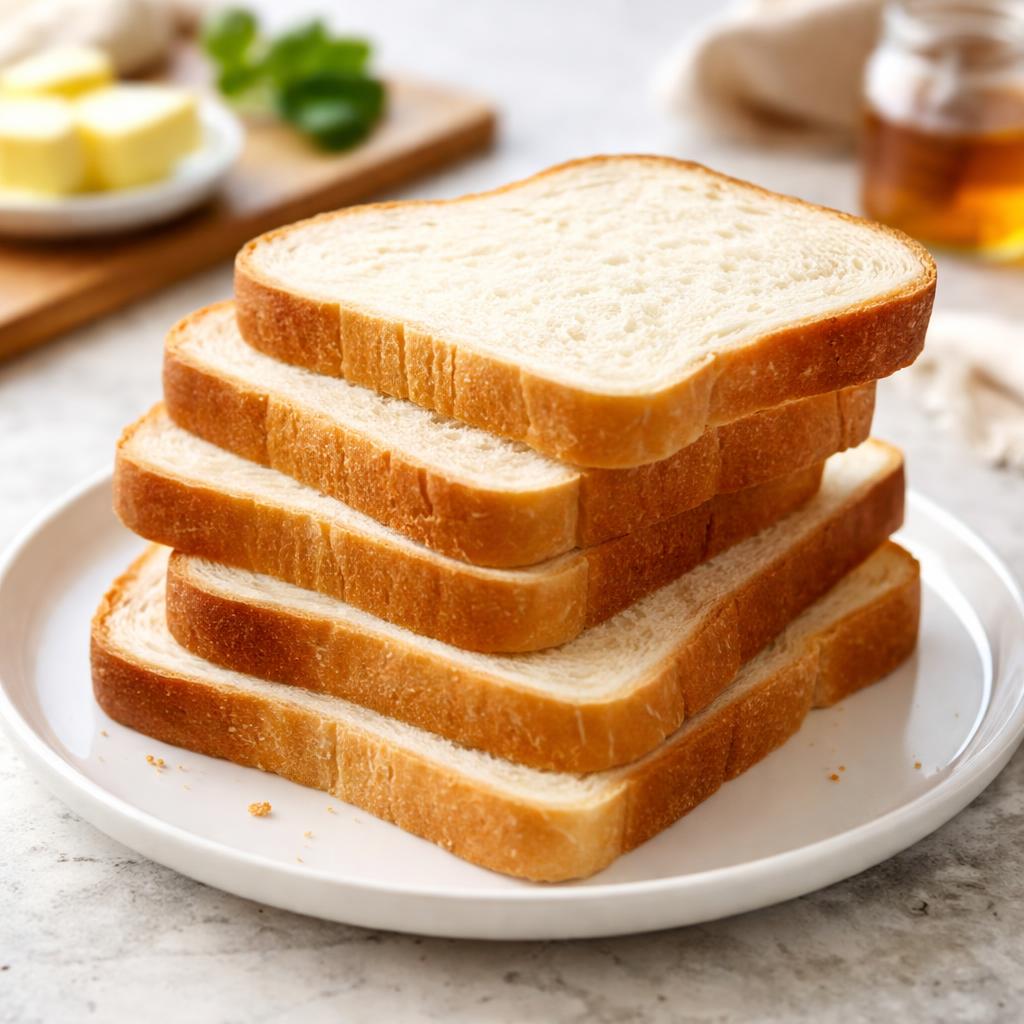
Sandwich Bread
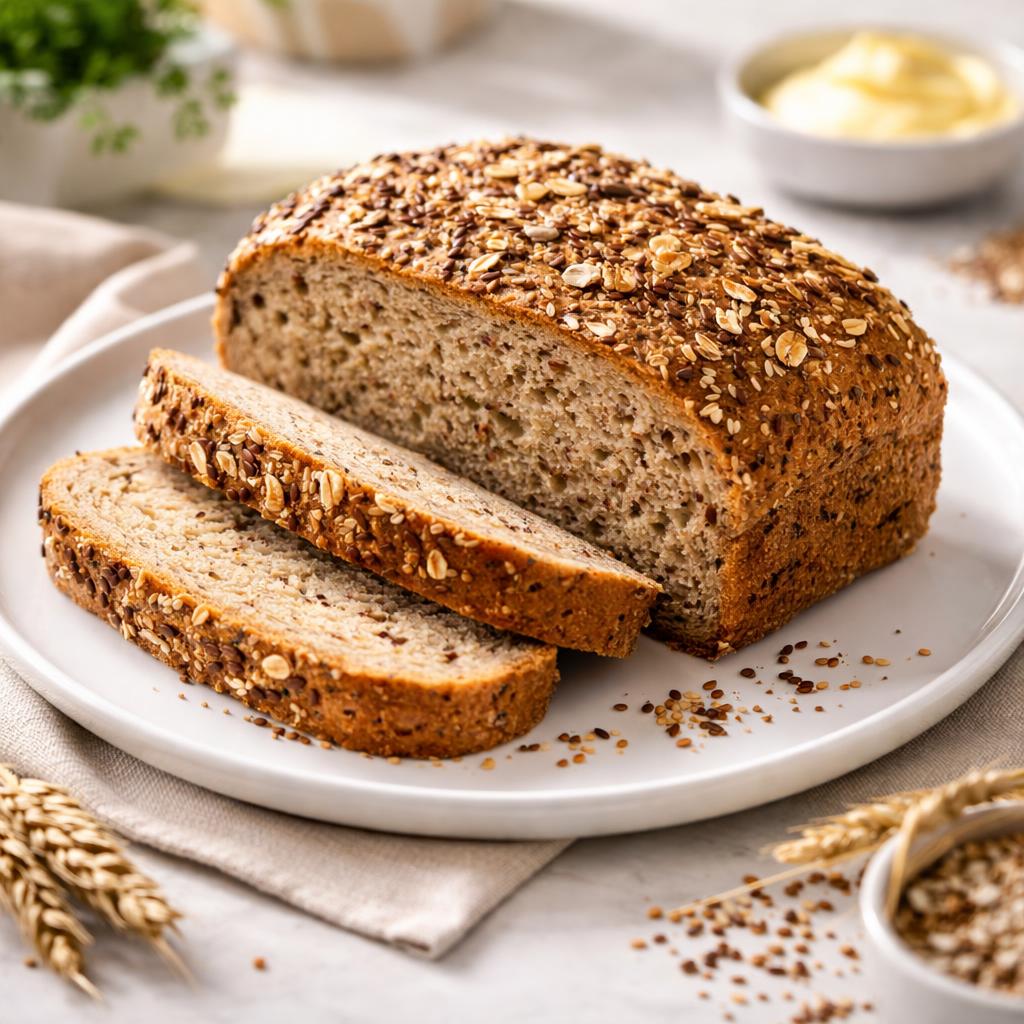
Wholegrain Bread
🎯 Quick Verdict
Wholegrain bread outshines sandwich bread in overall nutrition, offering significantly more fiber and slightly more vitamins and minerals. Sandwich bread, however, has fewer calories per slice and can still be a convenient choice for those prioritizing lower caloric intake. Wholegrain bread is ideal for improving satiety and digestive health, while sandwich bread works better when calories are restricted or for simple meals or snacks.

Smart Nutrition Tracking with SnapCalorie

📊 Nutritional Comparison
Macronutrients
| Nutrient | Food 1 | Food 2 | Winner |
|---|---|---|---|
| Calories | 70 | 110 | ✓ |
| Protein | 3g | 4g | − |
| Carbs | 13g | 18g | ✓ |
| Fat | 1g | 2g | ✓ |
| Fiber | 1g | 3g | ✓ |
Vitamins & Minerals
| Nutrient | Food 1 | Food 2 | Winner |
|---|---|---|---|
| Vitamin D | 0mcg | 0mcg | − |
| Calcium | 25mg | 40mg | ✓ |
| Iron | 0.5mg | 1mg | ✓ |
| Magnesium | 5mg | 25mg | ✓ |
🏆 Category Winners
Protein
Both breads are similar in protein with a small edge to wholegrain bread.
Fiber
Wholegrain bread offers 3x more fiber for better digestion and satiety.
Calories
Sandwich bread is 36% lower in calories per slice.
Vitamins
Wholegrain bread offers higher levels of iron, calcium, and magnesium.
🥗 Diet Compatibility
Keto
Food 1: Not Compatible
Food 2: Not Compatible
Both breads are high in carbs and not suitable for a keto diet.
Vegan
Food 1: Compatible
Food 2: Compatible
Both breads contain no animal products.
Gluten Free
Food 1: Not Compatible
Food 2: Not Compatible
Both breads are made with wheat and contain gluten.
Paleo
Food 1: Not Compatible
Food 2: Not Compatible
Grains are not allowed on a paleo diet.
Low-Carb
Food 1: Not Compatible
Food 2: Not Compatible
Both breads are moderate- to high-carb options.
💪 Health Benefits Comparison
Food 1 Benefits
- Lower in calories, making it better for calorie-restricted diets
- A convenient option for quick meals or snacks
- Moderate in carbohydrates for quick energy
Food 2 Benefits
- Higher fiber content helps with digestive health
- Lower glycemic impact compared to refined bread
- Provides essential nutrients like iron, magnesium, and calcium
- More filling, supporting satiety and long-term energy
✅ The Bottom Line
Choose wholegrain bread if you're looking for more fiber, nutrition, and satiety benefits. Opt for sandwich bread if you're managing calories and need a lighter choice. Wholegrain bread is ideal for heart health and long-term energy, while sandwich bread suits quick and lower-calorie meals.
Choose Food 1 for: Calorie restriction, quick meals, general convenience
Choose Food 2 for: Maintaining healthy digestion, nutrient density, sustained energy


