Sandwich Bread VS Turkish Bread
A detailed nutritional comparison
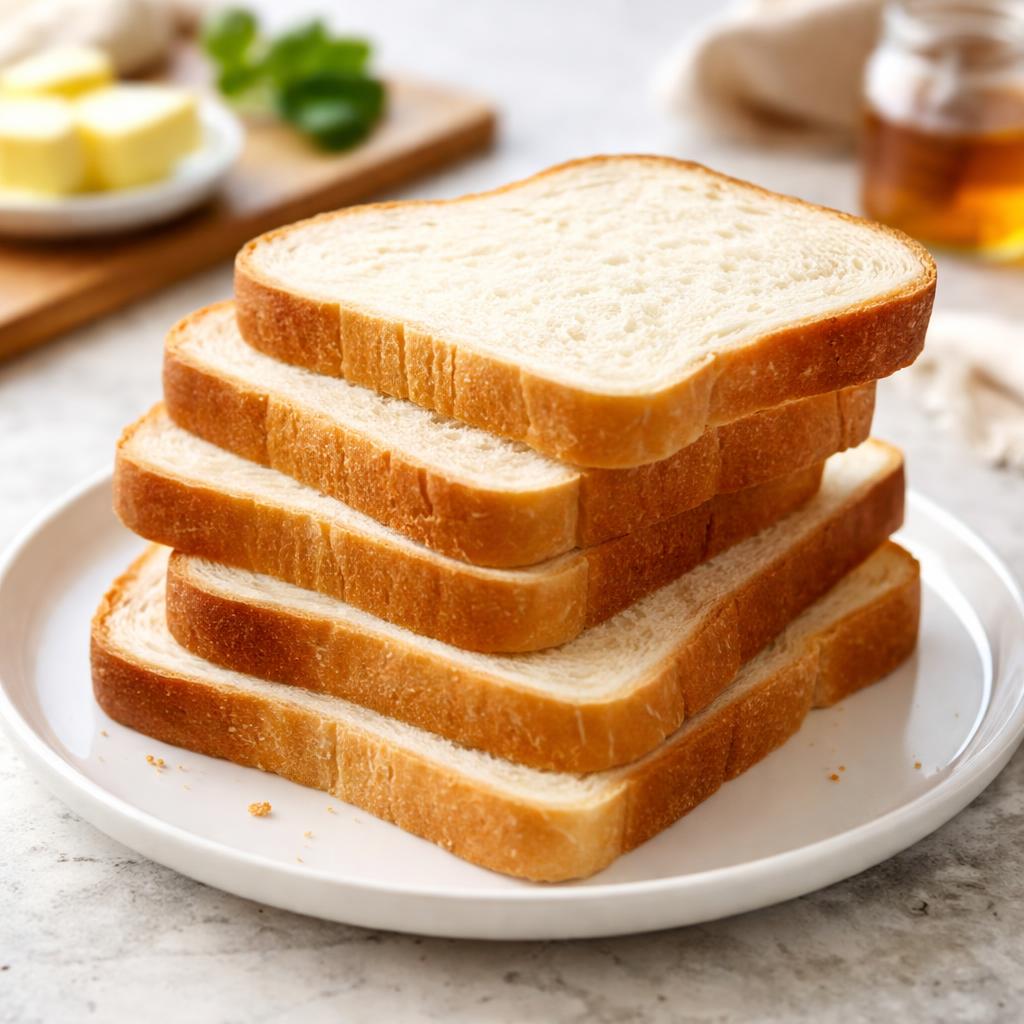
Sandwich Bread
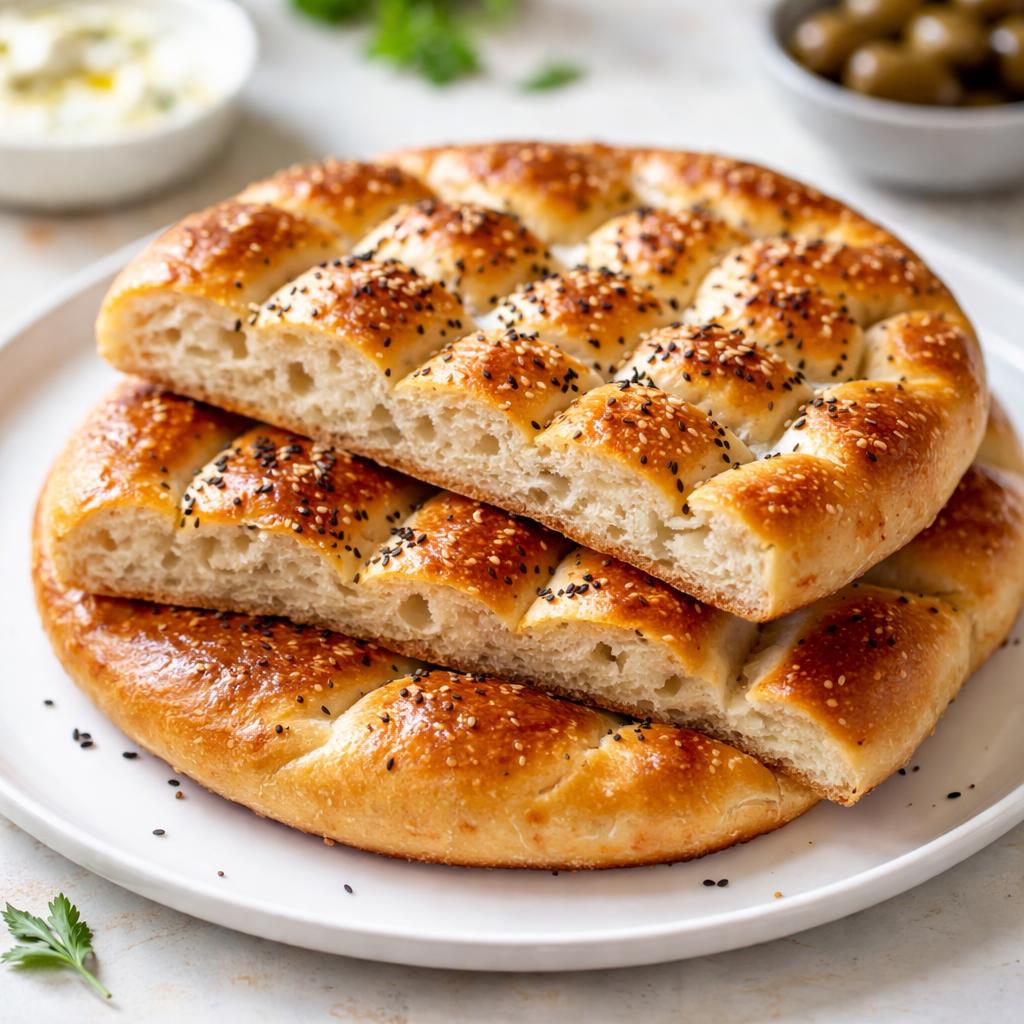
Turkish Bread
🎯 Quick Verdict
Sandwich bread is lighter calorie-wise and offers more protein and fiber per serving, making it a better choice for weight-conscious or nutrient-focused individuals. Turkish bread provides richer flavor, higher carbs, and is denser—great for energy needs or pairing with more robust meals.

Smart Nutrition Tracking with SnapCalorie

📊 Nutritional Comparison
Macronutrients
| Nutrient | Food 1 | Food 2 | Winner |
|---|---|---|---|
| Calories | 80 (per slice) | 230 (per 100g) | − |
| Protein | 3g | 2.6g | − |
| Carbs | 14g | 44g | − |
| Fat | 1g | 2g | − |
| Fiber | 1g | 0.7g | − |
Vitamins & Minerals
| Nutrient | Food 1 | Food 2 | Winner |
|---|---|---|---|
| Vitamin D | 0mcg | 0mcg | − |
| Calcium | 75mg | 40mg | − |
| Iron | 1.1mg | 1mg | − |
🏆 Category Winners
Protein
Sandwich bread has slightly more protein per serving, supporting muscle repair and maintenance.
Fiber
Sandwich bread contains 30% more fiber, aiding digestion and promoting satiety.
Calories
Sandwich bread is significantly lower in calories, making it ideal for weight management.
Vitamins
Sandwich bread has higher calcium and slightly more iron, important for bone and blood health.
🥗 Diet Compatibility
Keto
Food 1: Not Compatible
Food 2: Not Compatible
Both are high-carb foods.
Vegan
Food 1: Compatible
Food 2: Compatible
Both breads are typically vegan-friendly.
Gluten Free
Food 1: Not Compatible
Food 2: Not Compatible
Both are made from wheat and contain gluten.
Paleo
Food 1: Not Compatible
Food 2: Not Compatible
Grain-based breads are excluded from paleo diets.
Low Carb
Food 1: Not Compatible
Food 2: Not Compatible
Carbohydrate content is high in both foods.
💪 Health Benefits Comparison
Food 1 Benefits
- Low calorie option for weight management
- Good source of protein for muscle support
- Contains calcium and iron for bone health and oxygen transportation
Food 2 Benefits
- Provides quick energy from carbohydrates
- Rich texture and flavor suitable for hearty meals
- Contains trace minerals for overall nutrition
✅ The Bottom Line
Sandwich bread is ideal for those seeking lower calorie, higher fiber options for weight management and balanced nutrition. Turkish bread works better when taste and energy needs are prioritized, such as for physically active individuals or indulgent meals.
Choose Food 1 for: Weight control, light snacks, post-exercise recovery
Choose Food 2 for: Energy replenishment, flavor-rich meals, pairing with dips or robust dishes


