Sandwich Bread VS Rice Crispy
A detailed nutritional comparison
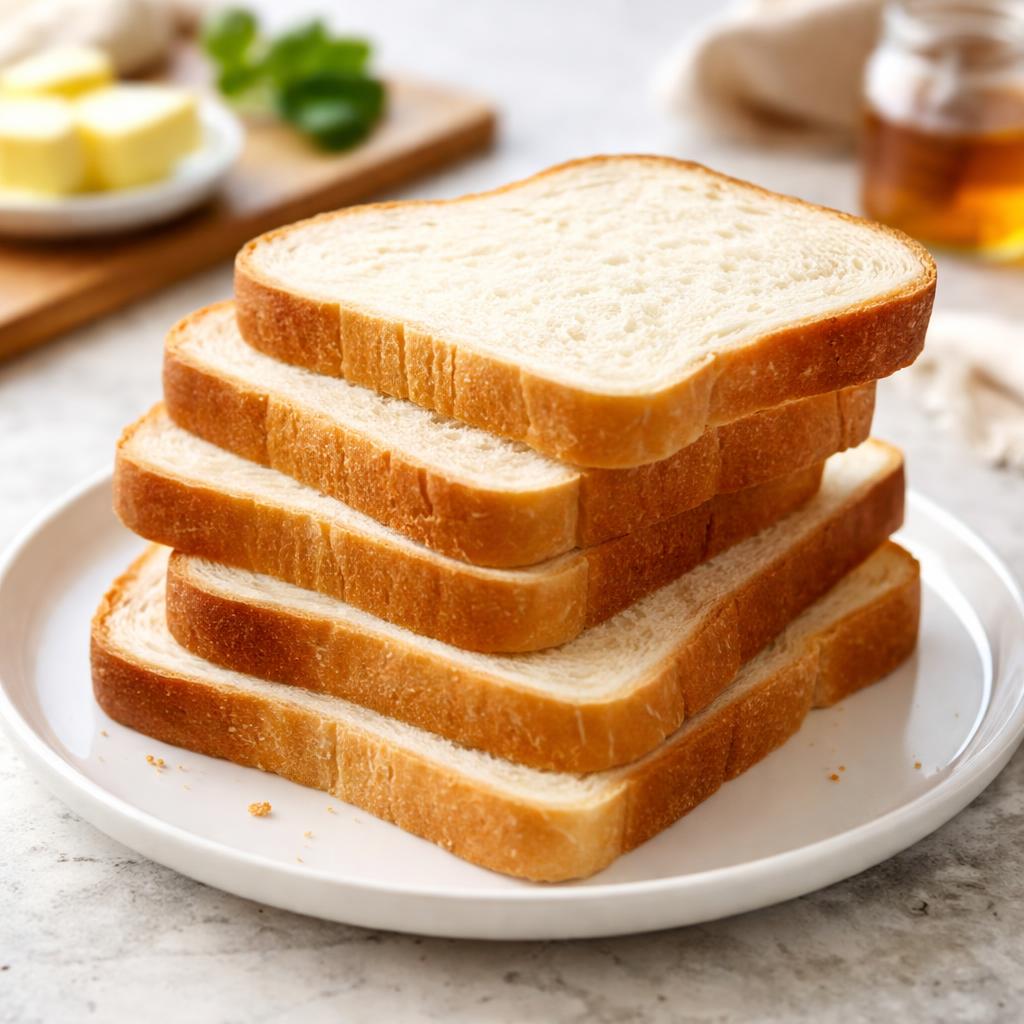
Sandwich Bread
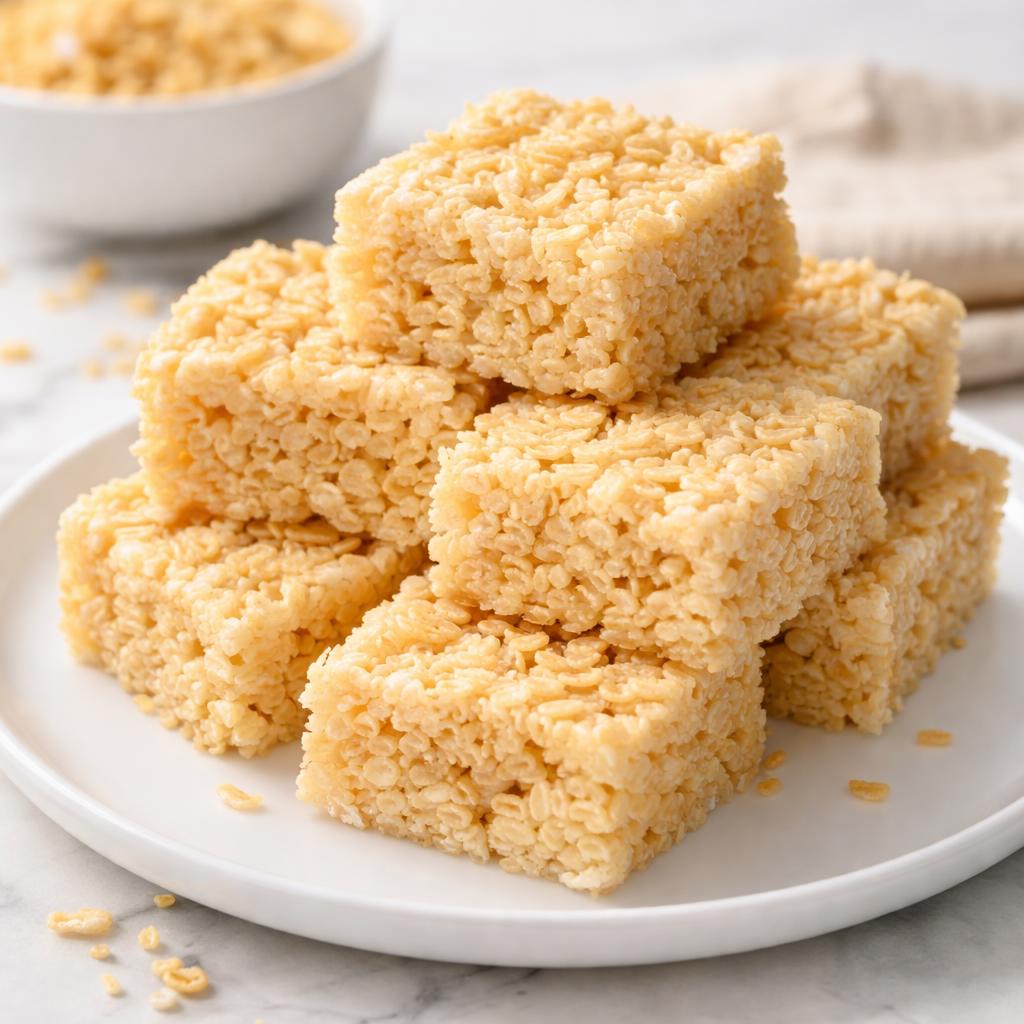
Rice Crispy
🎯 Quick Verdict
Sandwich bread generally offers more protein, fiber, and vitamins, making it a more nutrient-dense option suitable for balanced diets. Rice crispy treats are lower in calories and fat but offer limited nutritional benefits, mainly suitable as a quick energy snack or dessert. Consider bread for meals and rice crispy for occasional enjoyment.

Smart Nutrition Tracking with SnapCalorie

📊 Nutritional Comparison
Macronutrients
| Nutrient | Food 1 | Food 2 | Winner |
|---|---|---|---|
| Calories | 80 per slice | 130 per bar | ✓ |
| Protein | 4g per slice | 1g per bar | ✓ |
| Carbs | 15g per slice | 29g per bar | ✓ |
| Fat | 1g per slice | 3g per bar | ✓ |
| Fiber | 1.5g per slice | 0g per bar | ✓ |
Vitamins & Minerals
| Nutrient | Food 1 | Food 2 | Winner |
|---|---|---|---|
| Vitamin D | 0mcg | 0mcg | − |
| Calcium | 80mg | 0mg | ✓ |
| Iron | 1mg | 0.1mg | ✓ |
🏆 Category Winners
Protein
Sandwich bread contains 4g of protein per serving, significantly more than rice crispy's 1g.
Fiber
Sandwich bread has 1.5g of fiber compared to 0g in rice crispy treats.
Calories
Rice crispy treats are lower in calories per serving (130 calories vs. 80 per slice of bread).
🥗 Diet Compatibility
Keto
Food 1: Not Compatible
Food 2: Not Compatible
Both are high in carbohydrates and not suitable for keto diets.
Vegan
Food 1: Compatible
Food 2: Compatible
Neither contains animal products in standard forms.
Gluten Free
Food 1: Not Compatible
Food 2: Compatible
Sandwich bread typically contains gluten while rice crispy treats do not.
Paleo
Food 1: Not Compatible
Food 2: Not Compatible
Both are processed and contain grains, which are excluded on paleo diets.
Low-Carb
Food 1: Not Compatible
Food 2: Not Compatible
Both foods are moderate to high in carbs and unsuitable for strict low-carb diets.
💪 Health Benefits Comparison
Food 1 Benefits
- Rich in fiber for digestive health
- Provides a modest amount of protein for muscle maintenance
- Contains iron, supporting energy levels and oxygen transport
Food 2 Benefits
- Quick energy source due to high carbohydrate content
- Low fat compared to other sweet snacks
- Good for occasional indulgence without significantly affecting calorie intake
✅ The Bottom Line
Sandwich bread is the better choice for balanced meals due to its higher protein, fiber, and nutrient content. Rice crispy treats are suitable as a lower-nutrient snack or dessert in moderation. Choose bread for satiety and nutrition and rice crispy for quick energy or a treat.
Choose Food 1 for: Balanced meals, sandwiches, fiber-rich diets
Choose Food 2 for: Snack convenience, quick energy, occasional dessert


