Sandwich Bread VS Rice And Beans
A detailed nutritional comparison
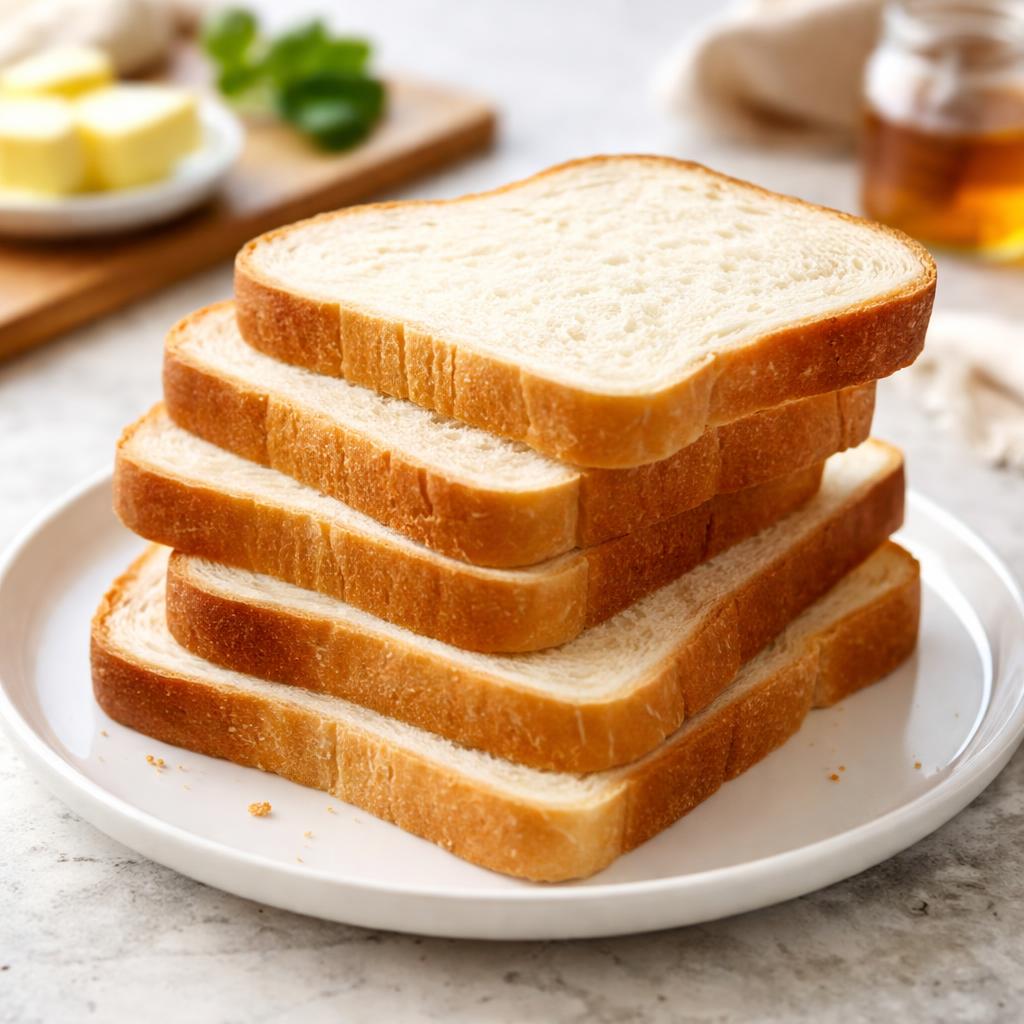
Sandwich Bread
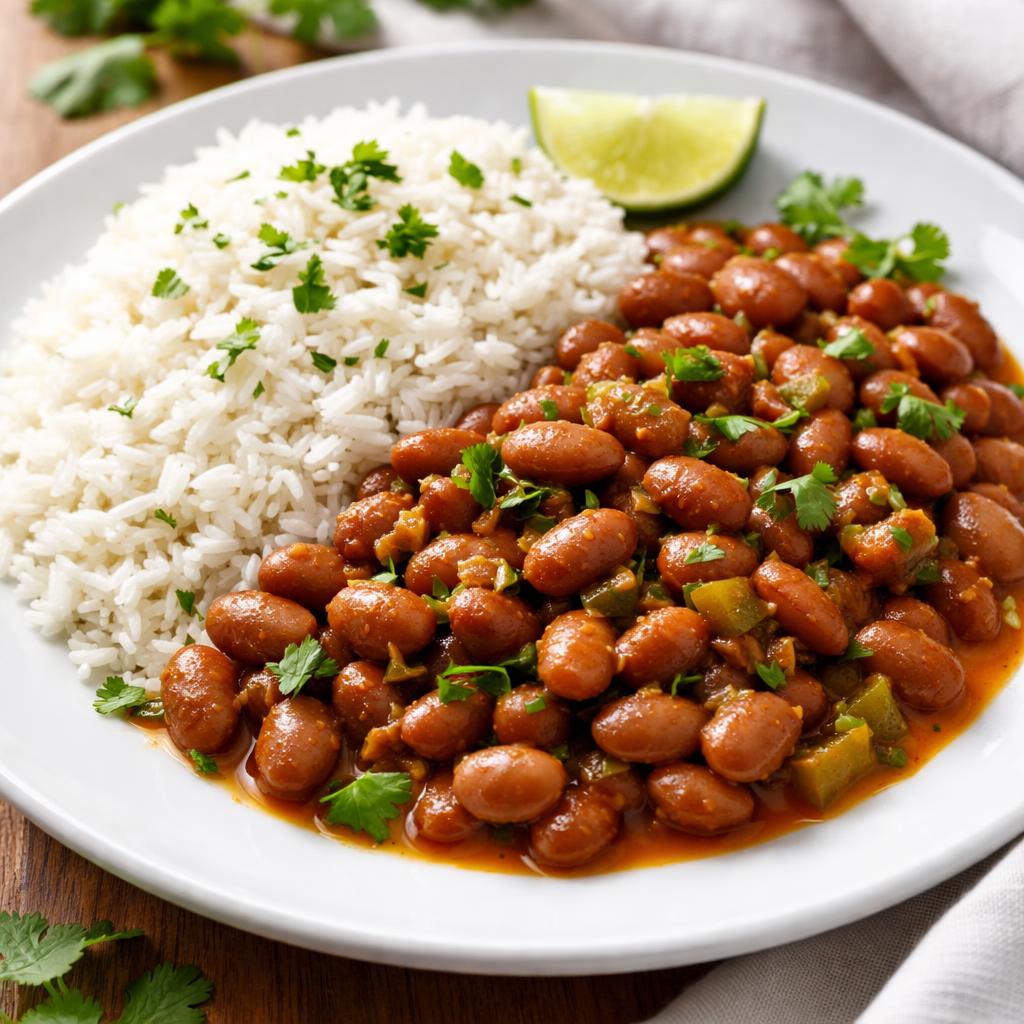
Rice And Beans
🎯 Quick Verdict
Rice and beans outshine sandwich bread in nutritional density, being higher in protein (8g per serving vs 4g) and dietary fiber (6g vs 2g), while having comparable calories. Sandwich bread is convenient for quick meals and sandwiches, but rice and beans provide a more nutrient-dense option, ideal for sustained energy and muscle support.

Smart Nutrition Tracking with SnapCalorie

📊 Nutritional Comparison
Macronutrients
| Nutrient | Food 1 | Food 2 | Winner |
|---|---|---|---|
| Calories | 150 | 150 | − |
| Protein | 4g | 8g | ✓ |
| Carbs | 28g | 31g | ✓ |
| Fat | 2g | 1g | ✓ |
| Fiber | 2g | 6g | ✓ |
Vitamins & Minerals
| Nutrient | Food 1 | Food 2 | Winner |
|---|---|---|---|
| Vitamin D | 0mcg | 0mcg | − |
| Calcium | 100mg | 50mg | ✓ |
| Iron | 1.5mg | 2mg | ✓ |
🏆 Category Winners
Protein
Rice and beans provide double the protein per serving.
Fiber
Rice and beans deliver three times the fiber of sandwich bread.
Calories
Both foods provide roughly 150 calories per serving.
Vitamins
Both offer a mix of nutrients but lack standout vitamin density.
🥗 Diet Compatibility
Keto
Food 1: Not Compatible
Food 2: Not Compatible
Both are high in carbs, making them unsuitable for keto.
Vegan
Food 1: Compatible
Food 2: Compatible
Both foods are plant-based and suitable for a vegan diet.
Gluten Free
Food 1: Not Compatible
Food 2: Compatible
Sandwich bread contains gluten unless gluten-free bread is used.
Paleo
Food 1: Not Compatible
Food 2: Not Compatible
Neither aligns with paleo due to grains and legumes.
Low Carb
Food 1: Not Compatible
Food 2: Not Compatible
Both exceed low-carb thresholds at 28-31g per serving.
💪 Health Benefits Comparison
Food 1 Benefits
- Convenient energy source
- Fortified with calcium for bone health in some cases
- Good base for sandwiches, providing versatility
Food 2 Benefits
- High in protein for muscle repair and maintenance
- Excellent source of fiber for improved digestion
- Rich in complex carbohydrates for sustained energy
- Contains essential minerals like iron and magnesium
✅ The Bottom Line
Choose rice and beans for superior nutritional value, especially when looking for higher protein and fiber. Sandwich bread is a convenient option for quick meals but lacks the nutrient density of rice and beans.
Choose Food 1 for: Convenience, quick snacks, sandwiches
Choose Food 2 for: Balanced meals, muscle building, long-lasting energy


