Sandwich Bread VS Olive Bread
A detailed nutritional comparison
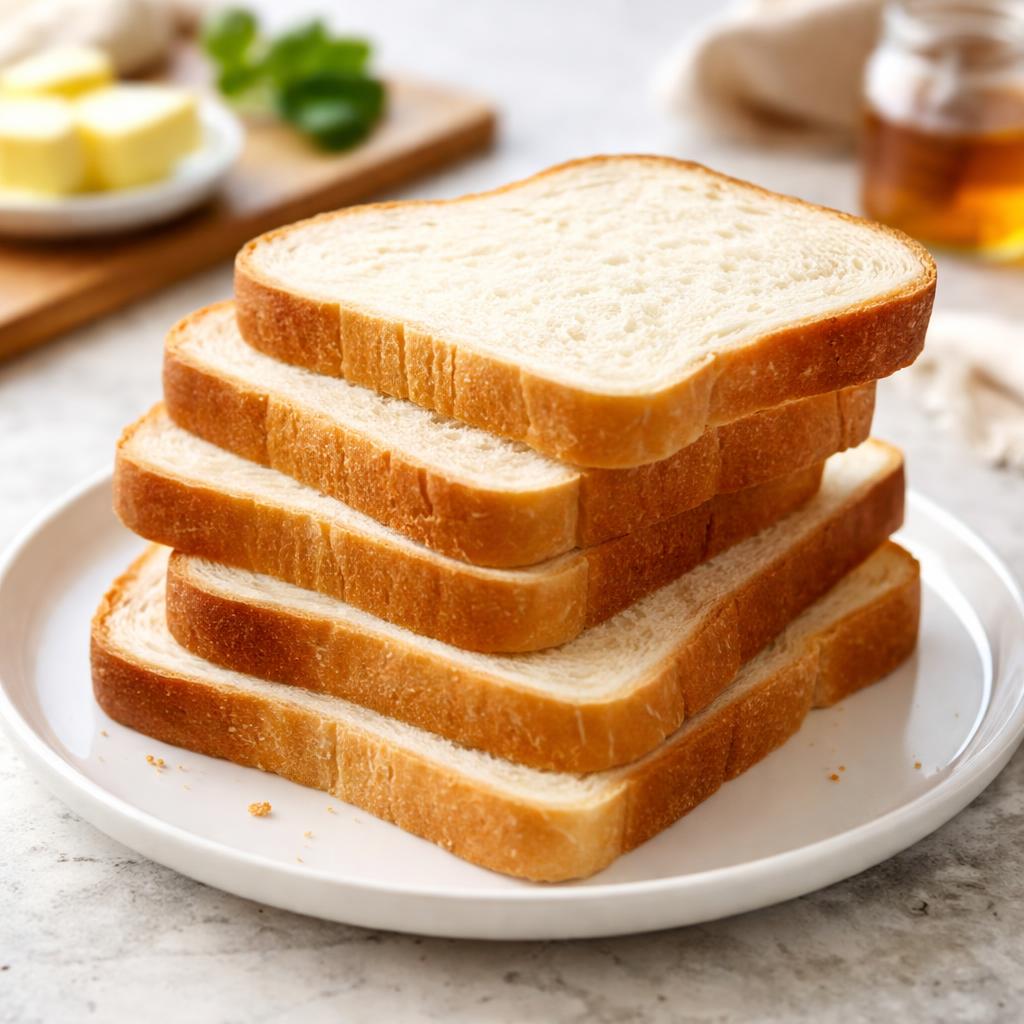
Sandwich Bread
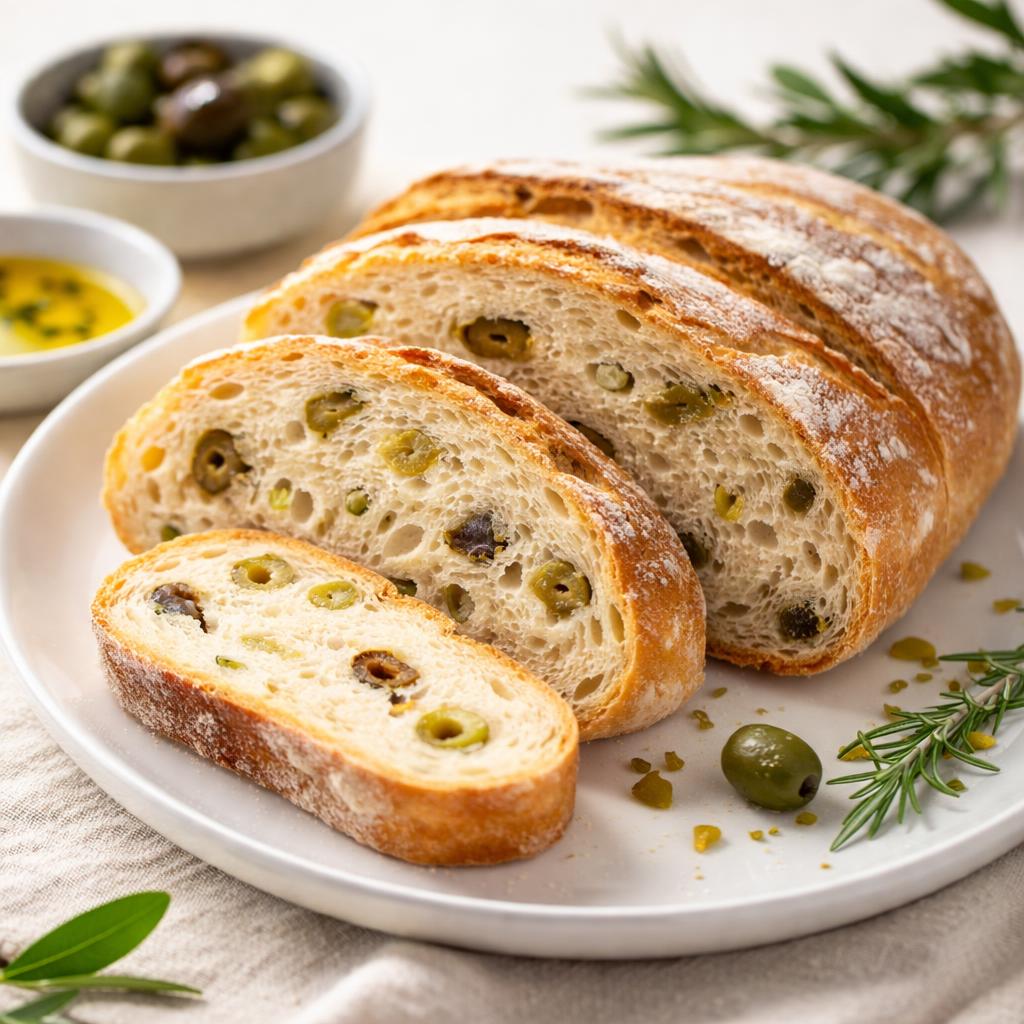
Olive Bread
🎯 Quick Verdict
Sandwich bread is lower in calories and slightly higher in protein compared to olive bread, making it better for low-calorie and structured daily diets. Olive bread shines with its higher fiber content and richer flavor profile, ideal for those seeking heart-healthy fats and more dietary fiber in a nutrient-dense option.

Smart Nutrition Tracking with SnapCalorie

📊 Nutritional Comparison
Macronutrients
| Nutrient | Food 1 | Food 2 | Winner |
|---|---|---|---|
| Calories | 70 per slice | 100 per slice | ✓ |
| Protein | 3g per slice | 3g per slice | − |
| Carbs | 13g per slice | 15g per slice | ✓ |
| Fat | 1g per slice | 4g per slice | ✓ |
| Fiber | 1g per slice | 2g per slice | ✓ |
Vitamins & Minerals
| Nutrient | Food 1 | Food 2 | Winner |
|---|---|---|---|
| Vitamin E | 0.1mg | 0.8mg | ✓ |
| Calcium | 50mg | 30mg | ✓ |
| Iron | 0.8mg | 0.5mg | ✓ |
| Sodium | 150mg | 200mg | ✓ |
🏆 Category Winners
Protein
Both foods contain the same 3g of protein per slice.
Fiber
Olive bread contains 2g of fiber per slice, doubling sandwich bread's content.
Calories
Sandwich bread is 30% lower in calories per slice.
Vitamins
Olive bread has significantly more Vitamin E and other antioxidants.
🥗 Diet Compatibility
Keto
Food 1: Not Compatible
Food 2: Not Compatible
Both foods are high-carb and unsuitable for keto diets.
Vegan
Food 1: Compatible
Food 2: Compatible
Neither bread contains animal-derived ingredients.
Gluten Free
Food 1: Not Compatible
Food 2: Not Compatible
Both are made with gluten-containing wheat.
Paleo
Food 1: Not Compatible
Food 2: Not Compatible
Bread is not allowed in paleo diets due to grain content.
Low-Carb
Food 1: Not Compatible
Food 2: Not Compatible
Both are relatively high in carbohydrates, making them unsuitable for low-carb diets.
💪 Health Benefits Comparison
Food 1 Benefits
- Lower in calories, supporting weight loss goals.
- Source of carbohydrates for quick energy.
- Relatively low fat content for heart-healthy diets.
Food 2 Benefits
- Contains heart-healthy fats from olives.
- Rich source of dietary fiber for digestive health.
- Includes Vitamin E and antioxidants to reduce inflammation.
✅ The Bottom Line
Choose sandwich bread for lower-calorie meals and structured diets that emphasize portion control. Opt for olive bread when looking for a more nutrient-dense choice with heart-healthy fats and a richer flavor profile.
Choose Food 1 for: Low-calorie diets, basic sandwiches, everyday energy needs
Choose Food 2 for: Heart health, gourmet sandwiches, fiber-rich meals


