Sandwich Bread VS Multigrain Bread
A detailed nutritional comparison

Sandwich Bread
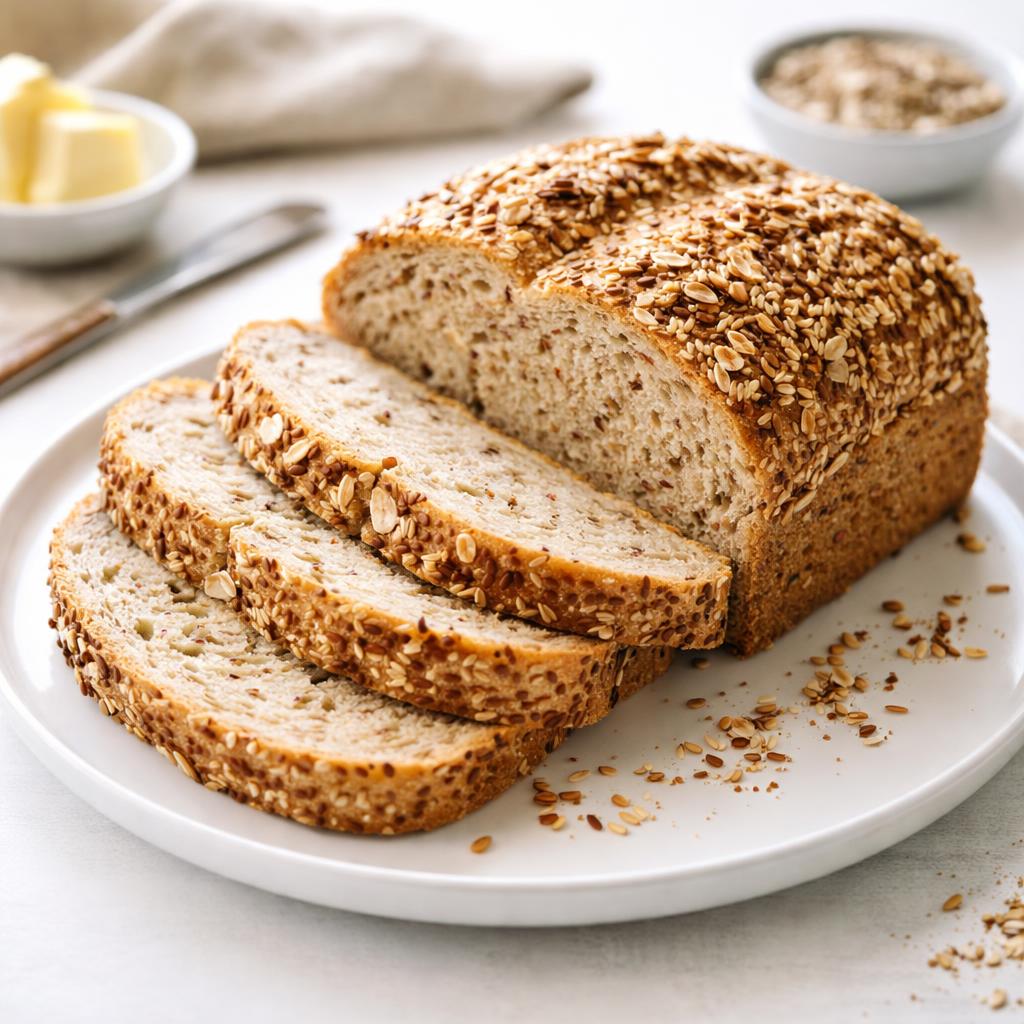
Multigrain Bread
🎯 Quick Verdict
Multigrain bread generally offers better nutritional benefits compared to sandwich bread. It is higher in fiber, protein, and certain vitamins due to its diverse grains. Sandwich bread, while lower in nutrient density, may serve as a lighter option for those on controlled calorie diets. Multigrain bread is ideal for enhancing heart health and digestive support due to its nutrient-rich profile.

Smart Nutrition Tracking with SnapCalorie

📊 Nutritional Comparison
Macronutrients
| Nutrient | Food 1 | Food 2 | Winner |
|---|---|---|---|
| Calories | 80 (per slice) | 80 (per slice) | − |
| Protein | 2g | 4g | ✓ |
| Carbs | 14g | 15g | ✓ |
| Fat | 1g | 2g | ✓ |
| Fiber | 1g | 3g | ✓ |
Vitamins & Minerals
| Nutrient | Food 1 | Food 2 | Winner |
|---|---|---|---|
| Vitamin B6 | 0.02mg | 0.1mg | ✓ |
| Magnesium | 5mg | 20mg | ✓ |
| Iron | 0.5mg | 1.2mg | ✓ |
🏆 Category Winners
Protein
Multigrain bread offers twice the protein per slice compared to sandwich bread.
Fiber
Multigrain bread contains more fiber, which aids digestion and keeps you fuller longer.
Calories
Both types of bread have identical caloric content per slice.
Vitamins
Multigrain bread provides higher levels of magnesium, iron, and Vitamin B6.
🥗 Diet Compatibility
Keto
Food 1: Not Compatible
Food 2: Not Compatible
Both are high in carbohydrates and unsuitable for keto diets.
Vegan
Food 1: Compatible
Food 2: Compatible
Both breads typically contain no animal products.
Gluten Free
Food 1: Not Compatible
Food 2: Not Compatible
Both contain gluten unless specifically labeled gluten-free.
Paleo
Food 1: Not Compatible
Food 2: Not Compatible
Bread is excluded in paleo diets.
Low Carb
Food 1: Not Compatible
Food 2: Not Compatible
Both types of bread are relatively high in carbohydrates.
💪 Health Benefits Comparison
Food 1 Benefits
- Provides quick energy through carbohydrates
- Low in fat for lighter meal options
- Serves as a convenient base for sandwiches
Food 2 Benefits
- Higher fiber supports healthy digestion and satiety
- Diverse grains offer a broader range of vitamins and minerals
- Protein boosts muscle maintenance and repair
- Good source of heart-healthy nutrients like magnesium
✅ The Bottom Line
Multigrain bread is the better choice nutritionally, offering higher protein, fiber, and micronutrients important for heart and digestive health. Choose sandwich bread if you are looking for a lighter option or prefer a simpler base for sandwiches.
Choose Food 1 for: Light meals, casual sandwiches, calorie-controlled diets
Choose Food 2 for: Heart health, high-protein snacks, digestive regularity


