Sandwich Bread VS Light Bread
A detailed nutritional comparison
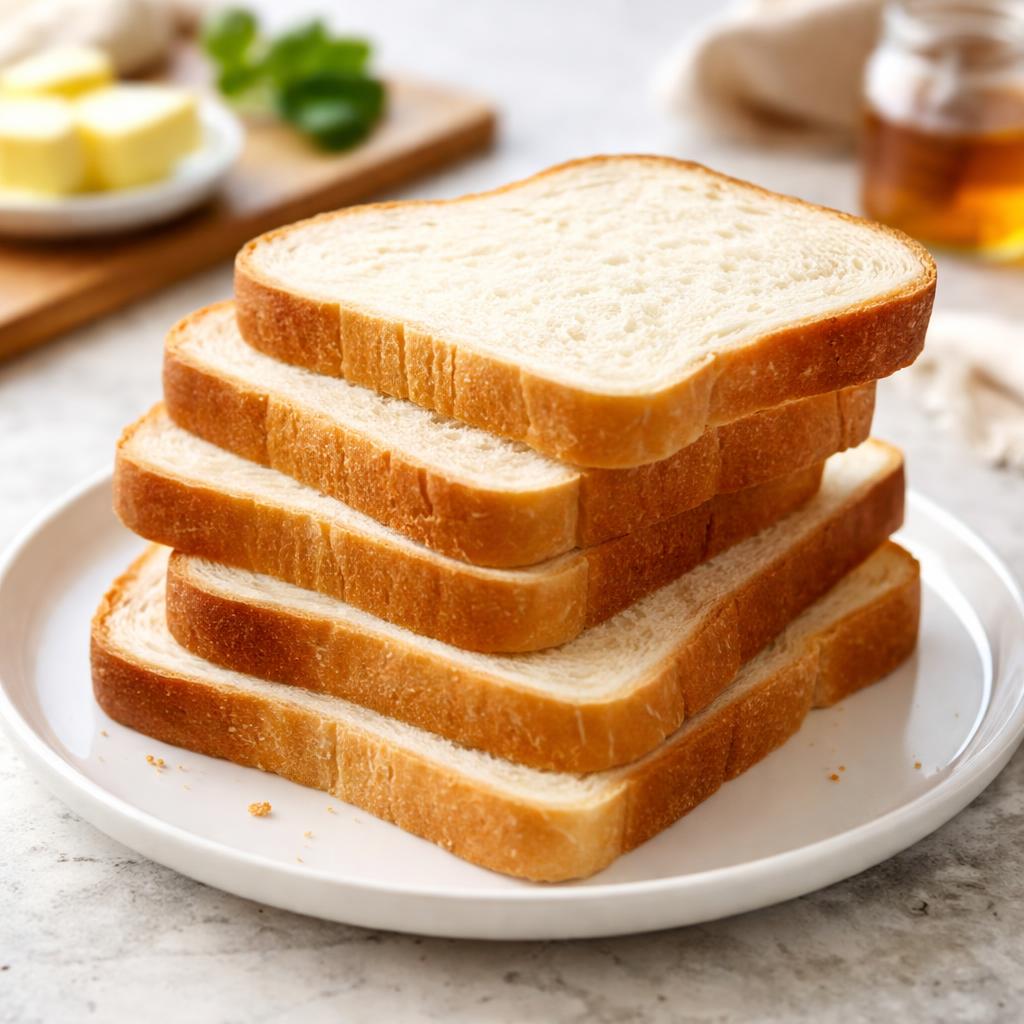
Sandwich Bread
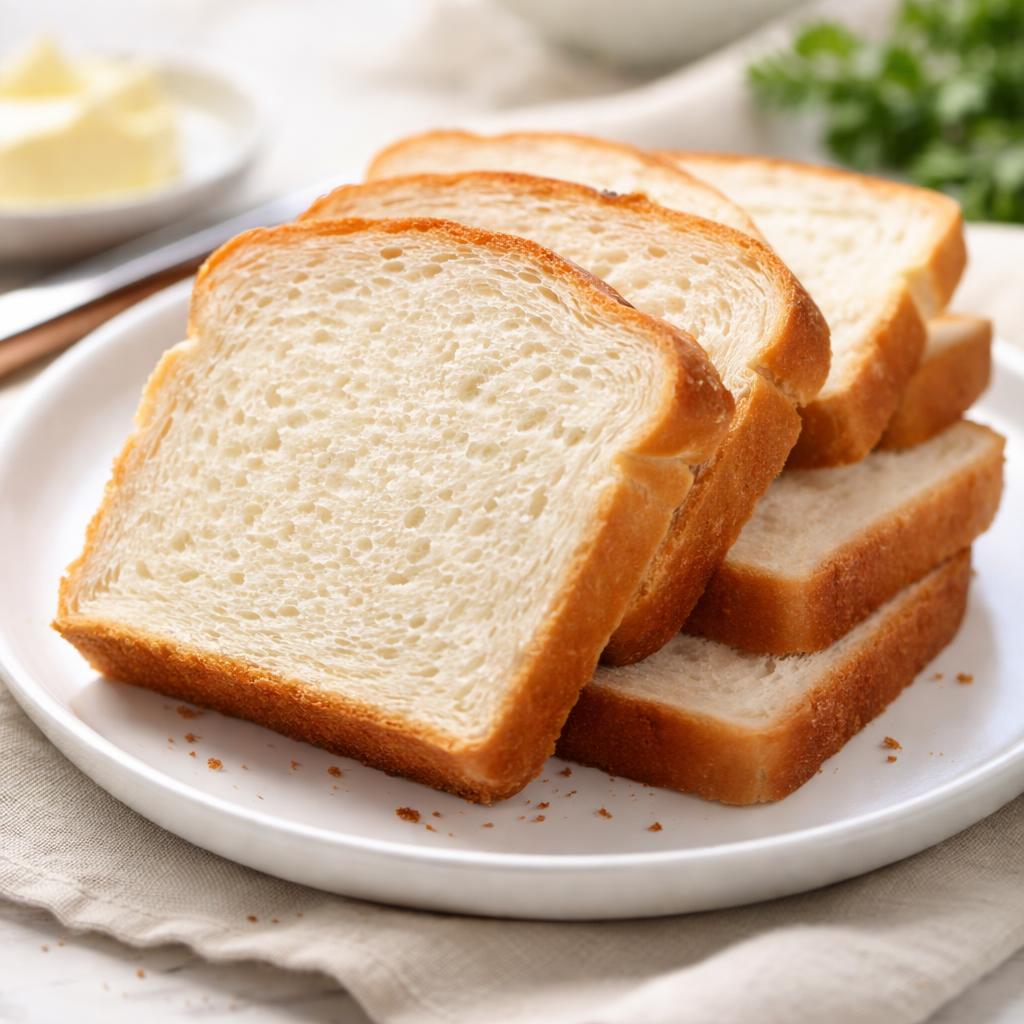
Light Bread
🎯 Quick Verdict
Sandwich bread and light bread both serve as staples for various diets, but light bread is lower in calories and has more fiber, making it ideal for weight-conscious individuals. Sandwich bread, however, offers versatility and slightly more nutrients per slice for everyday use, especially in moderate calorie diets.

Smart Nutrition Tracking with SnapCalorie

📊 Nutritional Comparison
Macronutrients
| Nutrient | Food 1 | Food 2 | Winner |
|---|---|---|---|
| Calories | 80 | 40 | ✓ |
| Protein | 3g | 3g | − |
| Carbs | 15g | 9g | ✓ |
| Fat | 1g | 0.5g | ✓ |
| Fiber | 1g | 2g | ✓ |
Vitamins & Minerals
| Nutrient | Food 1 | Food 2 | Winner |
|---|---|---|---|
| Vitamin D | 0mcg | 0mcg | − |
| Calcium | 50mg | 30mg | ✓ |
| Iron | 0.4mg | 0.6mg | ✓ |
🏆 Category Winners
Protein
Both foods provide the same amount of protein per serving (3g).
Fiber
Light bread provides twice as much fiber as sandwich bread per slice.
Calories
Light bread contains 50% fewer calories than sandwich bread.
Vitamins
Vitamin levels are similar between these breads, with slight differences in calcium and iron.
🥗 Diet Compatibility
Keto
Food 1: Not Compatible
Food 2: Not Compatible
Both contain too many carbs to fit into a strict keto diet.
Vegan
Food 1: Compatible
Food 2: Compatible
Both are plant-based and free from animal products.
Gluten Free
Food 1: Not Compatible
Food 2: Not Compatible
Both contain gluten unless specifically labeled as gluten-free.
Paleo
Food 1: Not Compatible
Food 2: Not Compatible
Neither fits into the paleo diet which excludes grains.
Low-Carb
Food 1: Not Compatible
Food 2: Compatible
Light bread is lower in carbs and better suited for low-carb diets.
💪 Health Benefits Comparison
Food 1 Benefits
- Source of energy from carbohydrates
- Provides moderate protein for muscle support
- Contains some calcium for bone health
Food 2 Benefits
- Low-calorie option for weight management
- Higher fiber for improved digestion
- Contains iron to support healthy blood oxygen levels
✅ The Bottom Line
Light bread is the better choice for weight-conscious individuals or those looking for a lower-carb option, while sandwich bread is suitable for balanced diets focusing on moderate calories and versatility in meals.
Choose Food 1 for: General-purpose diets, balanced nutrient intake, sandwiches
Choose Food 2 for: Weight loss, low-calorie diets, improved digestion


