Sandwich Bread VS Gluten-Free Bread
A detailed nutritional comparison
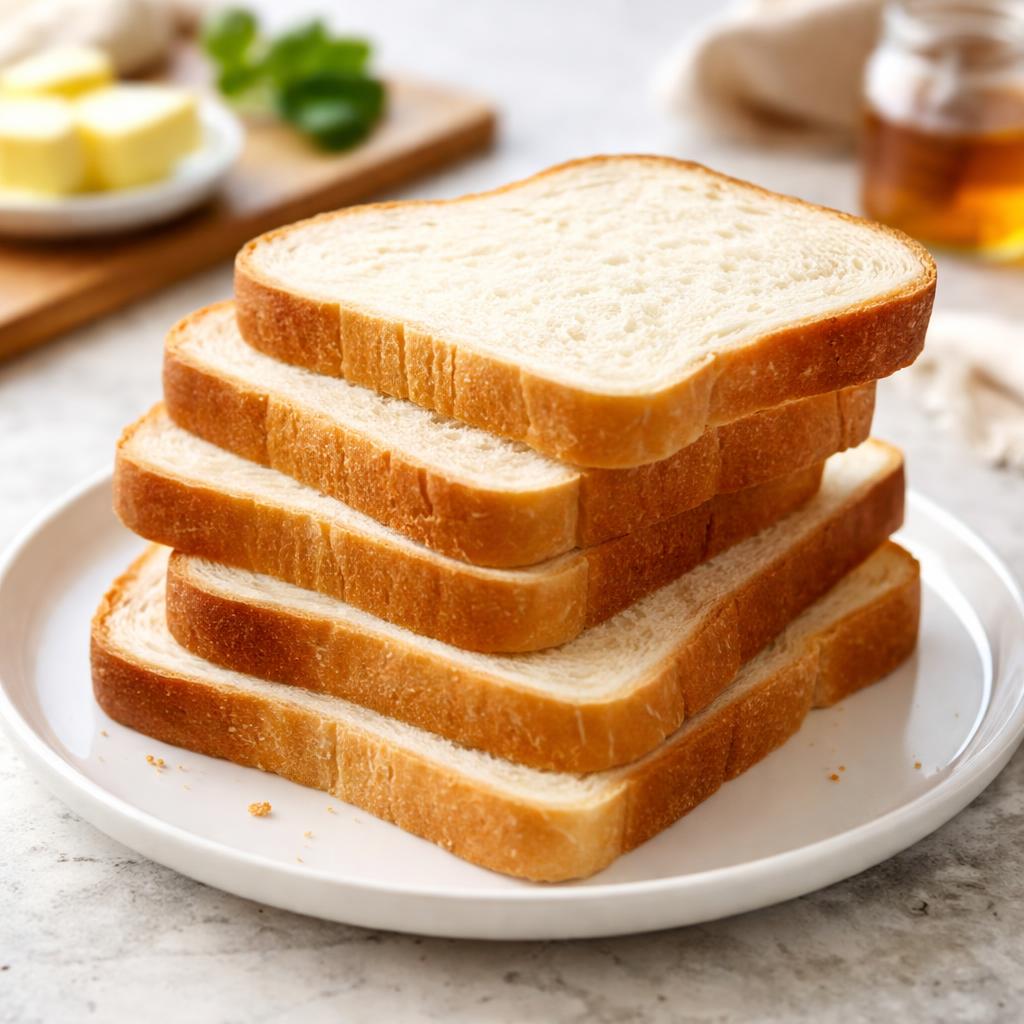
Sandwich Bread
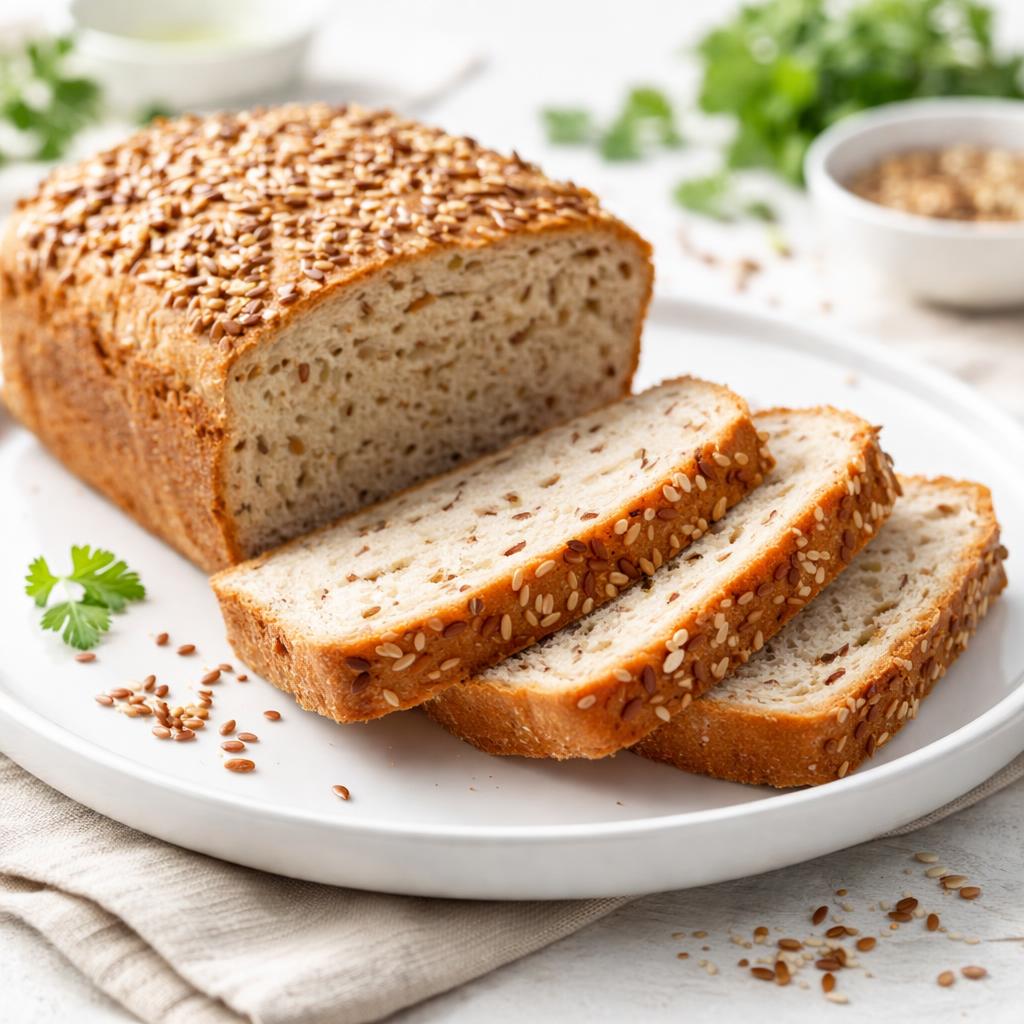
Gluten-Free Bread
🎯 Quick Verdict
Sandwich bread typically offers slightly higher protein and fiber content compared to gluten-free bread, making it a better choice for general nutrition and energy. However, gluten-free bread is crucial for individuals with celiac disease or gluten sensitivity. Both are relatively similar in calories, but sandwich bread provides greater overall nutritional value per slice unless gluten-free is required for dietary needs.

Smart Nutrition Tracking with SnapCalorie

📊 Nutritional Comparison
Macronutrients
| Nutrient | Food 1 | Food 2 | Winner |
|---|---|---|---|
| Calories | 80 | 85 | − |
| Protein | 4g | 2g | ✓ |
| Carbs | 15g | 18g | ✓ |
| Fat | 1g | 3g | ✓ |
| Fiber | 2g | 1g | ✓ |
Vitamins & Minerals
| Nutrient | Food 1 | Food 2 | Winner |
|---|---|---|---|
| Vitamin D | 0mcg | 0mcg | − |
| Calcium | 100mg | 80mg | ✓ |
| Iron | 1mg | 0.5mg | ✓ |
🏆 Category Winners
Protein
Food1 has twice the protein per slice compared to food2.
Fiber
Food1 contains double the fiber content of food2 per serving.
Calories
Both foods provide nearly identical calories per serving.
Vitamins
Food1 has consistently higher calcium and iron content per slice.
🥗 Diet Compatibility
Keto
Food 1: Not Compatible
Food 2: Not Compatible
Both are high-carb, unsuitable for keto diets.
Vegan
Food 1: Compatible
Food 2: Compatible
Both breads are traditionally plant-based.
Gluten Free
Food 1: Not Compatible
Food 2: Compatible
Food2 is specifically gluten-free; food1 contains gluten.
Paleo
Food 1: Not Compatible
Food 2: Not Compatible
Neither food aligns with paleo restrictions.
Low Carb
Food 1: Not Compatible
Food 2: Not Compatible
Neither food is low in carbohydrates.
💪 Health Benefits Comparison
Food 1 Benefits
- Better protein content for maintaining muscle
- Higher fiber content for improved digestion
- Provides more calcium for bone health
Food 2 Benefits
- Suitable for gluten-intolerant individuals
- Contains healthy fats for energy
- Lower sodium content supporting heart health
✅ The Bottom Line
Choose sandwich bread for general nutrition and higher protein and fiber needs. Gluten-free bread is essential if you have celiac disease or gluten sensitivities, though it provides slightly fewer nutrients overall.
Choose Food 1 for: Balanced diets, energy, and nutrient density
Choose Food 2 for: Gluten-free diets, heart health, and individuals with food sensitivities


