Sandwich Bread VS Black Bread
A detailed nutritional comparison
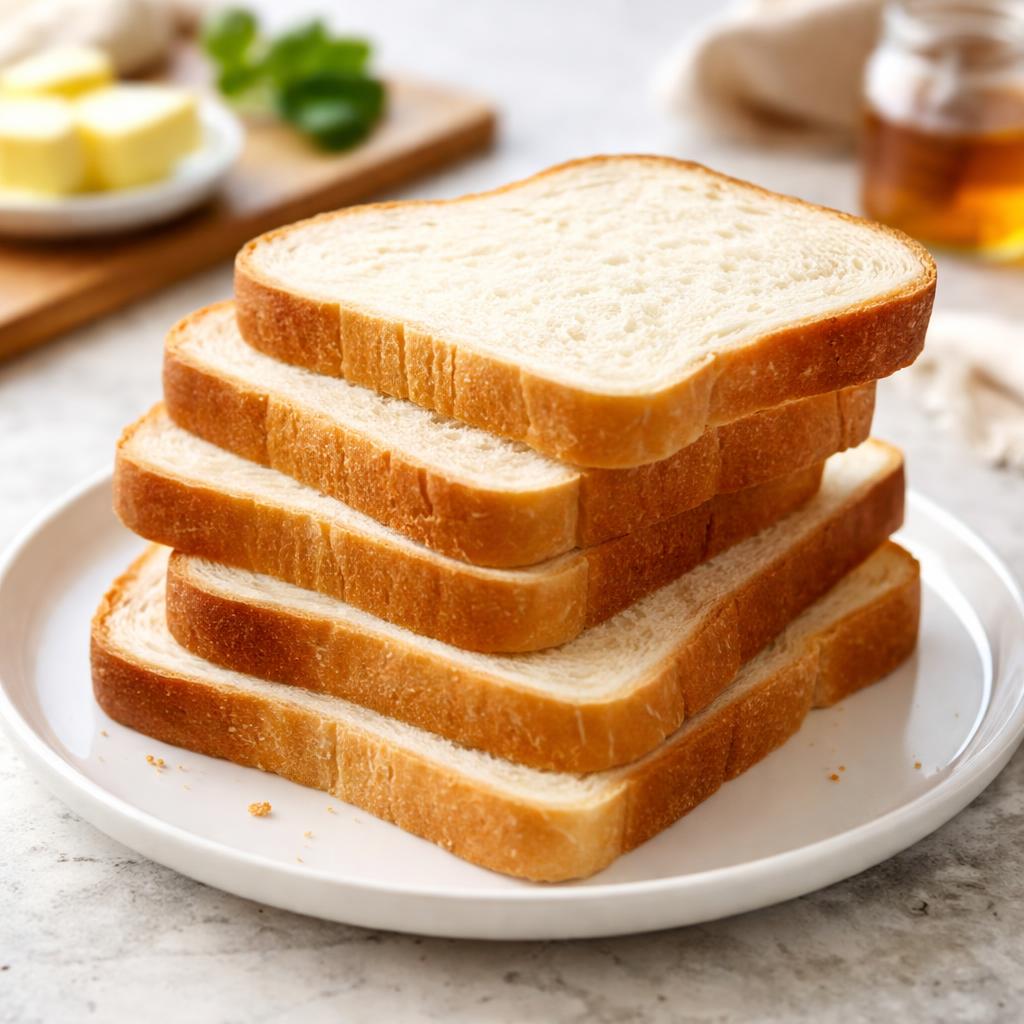
Sandwich Bread
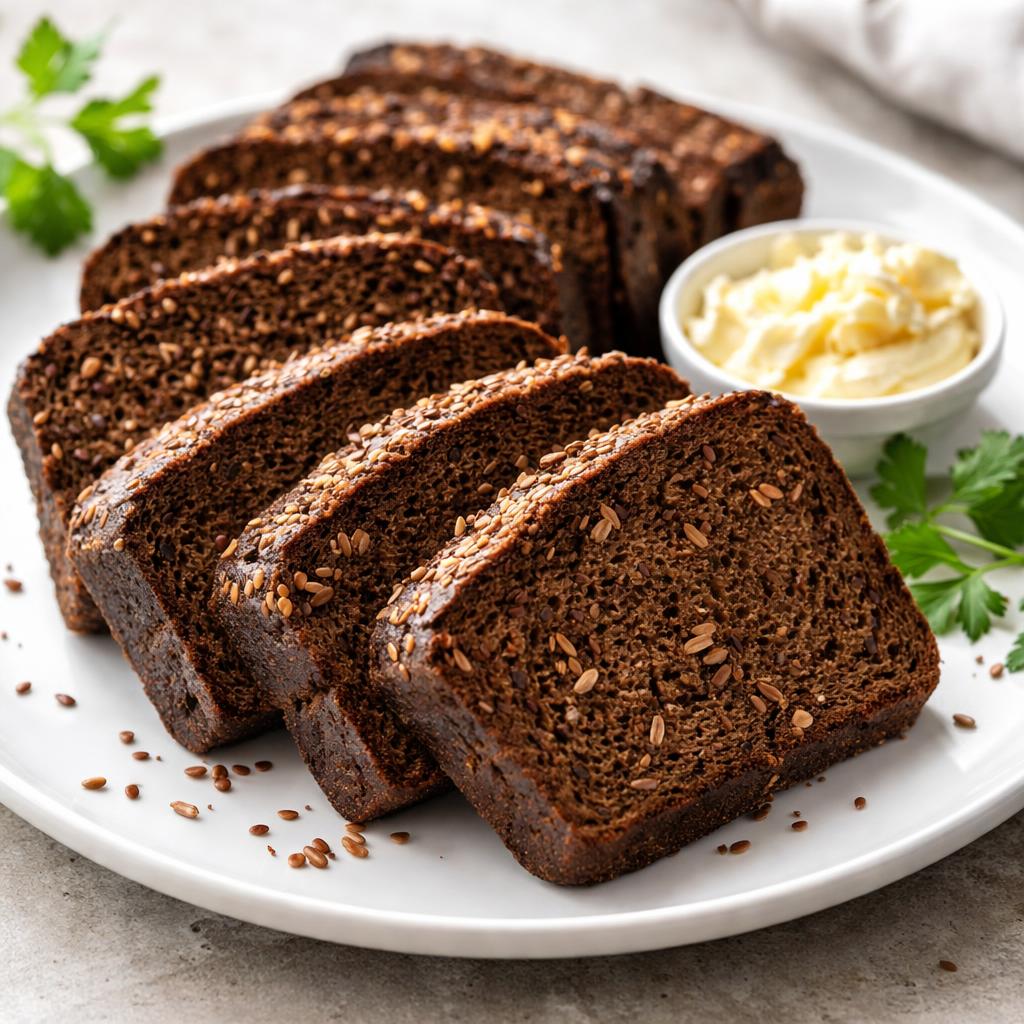
Black Bread
🎯 Quick Verdict
Sandwich bread and black bread differ notably in their nutritional profiles. Black bread is lower in calories, higher in protein and fiber, and richer in vitamins and minerals, making it the healthier choice overall. Sandwich bread may be suitable for quick energy but lacks the nutrient density of black bread.

Smart Nutrition Tracking with SnapCalorie

📊 Nutritional Comparison
Macronutrients
| Nutrient | Food 1 | Food 2 | Winner |
|---|---|---|---|
| Calories | 80 per slice | 65 per slice | ✓ |
| Protein | 2g | 4g | ✓ |
| Carbs | 15g | 12g | ✓ |
| Fat | 1g | 0.5g | ✓ |
| Fiber | 0.8g | 2g | ✓ |
Vitamins & Minerals
| Nutrient | Food 1 | Food 2 | Winner |
|---|---|---|---|
| Vitamin B6 | 0.04mg | 0.1mg | ✓ |
| Vitamin E | 0.02mg | 0.3mg | ✓ |
| Magnesium | 5mg | 25mg | ✓ |
| Potassium | 30mg | 80mg | ✓ |
🏆 Category Winners
Protein
Black bread contains 2x the protein of sandwich bread.
Fiber
Black bread provides 2.5x more fiber per serving.
Calories
At 65 calories per slice, black bread is 19% lower in calories.
Vitamins
Black bread is richer in vitamin B6, vitamin E, magnesium, and potassium.
🥗 Diet Compatibility
Keto
Food 1: Not Compatible
Food 2: Not Compatible
Both are high in carbs and unsuitable for keto diets.
Vegan
Food 1: Compatible
Food 2: Compatible
Both breads are plant-based and free of animal products.
Gluten Free
Food 1: Not Compatible
Food 2: Not Compatible
Both breads contain gluten as they are made from wheat and rye.
Paleo
Food 1: Not Compatible
Food 2: Not Compatible
Bread grains are excluded from paleo diets.
Low-Carb
Food 1: Not Compatible
Food 2: Not Compatible
Both have relatively high carbohydrate content for low-carb diets.
💪 Health Benefits Comparison
Food 1 Benefits
- Provides quick energy with simple carbohydrates
- A convenient option for sandwich-making
- Fortified with some nutrients (depending on the brand)
Food 2 Benefits
- Higher in fiber to support digestion and gut health
- Contains more protein for muscle maintenance and satiety
- Rich in minerals like magnesium and potassium for cardiovascular health
- Lower in calories, making it suitable for weight management
✅ The Bottom Line
Black bread is the superior option in terms of nutrient density, with higher protein, fiber, vitamin, and mineral content, while also being lower in calories. Sandwich bread offers simplicity and quick energy but falls short in comparison to black bread for overall health benefits.
Choose Food 1 for: Quick snacks, simple sandwiches, energy boosts
Choose Food 2 for: Healthy eating, nutrient-dense meals, weight control


