Salad VS Veggies
A detailed nutritional comparison
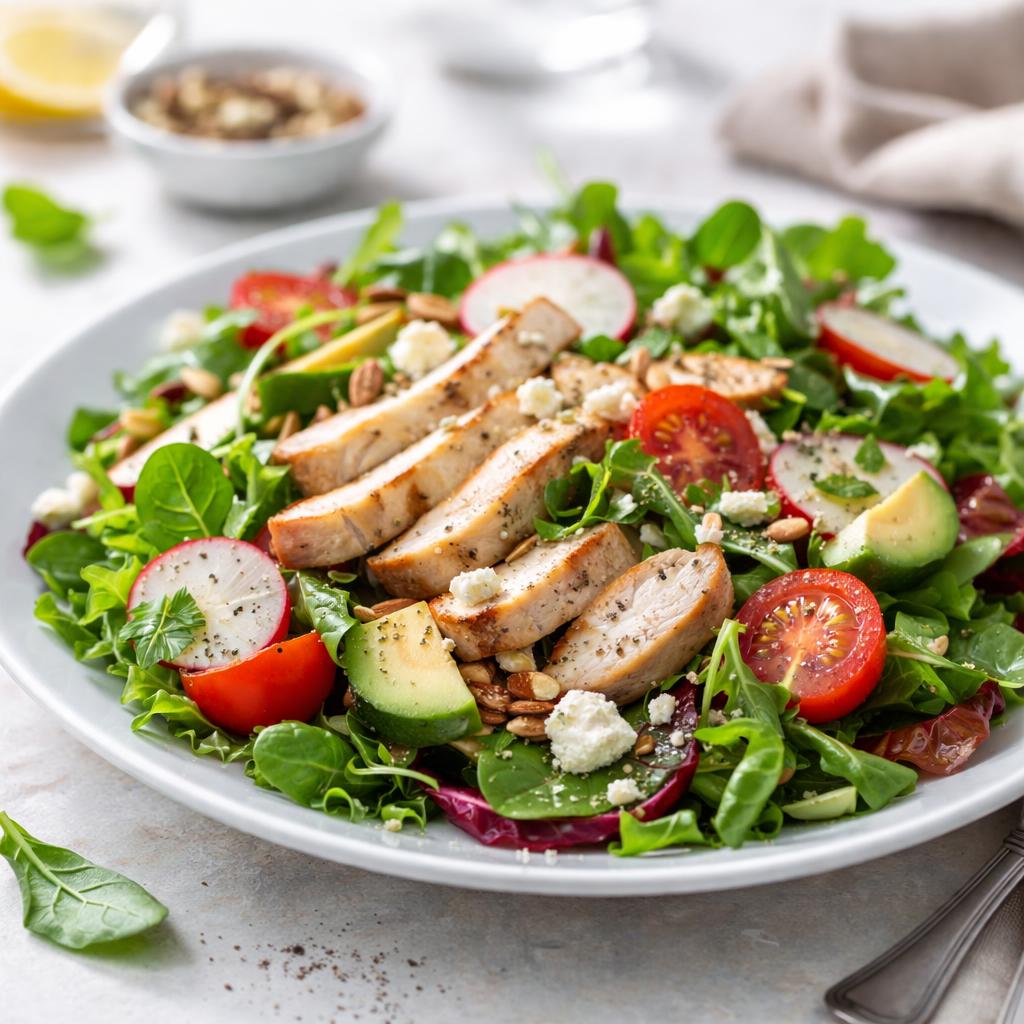
Salad
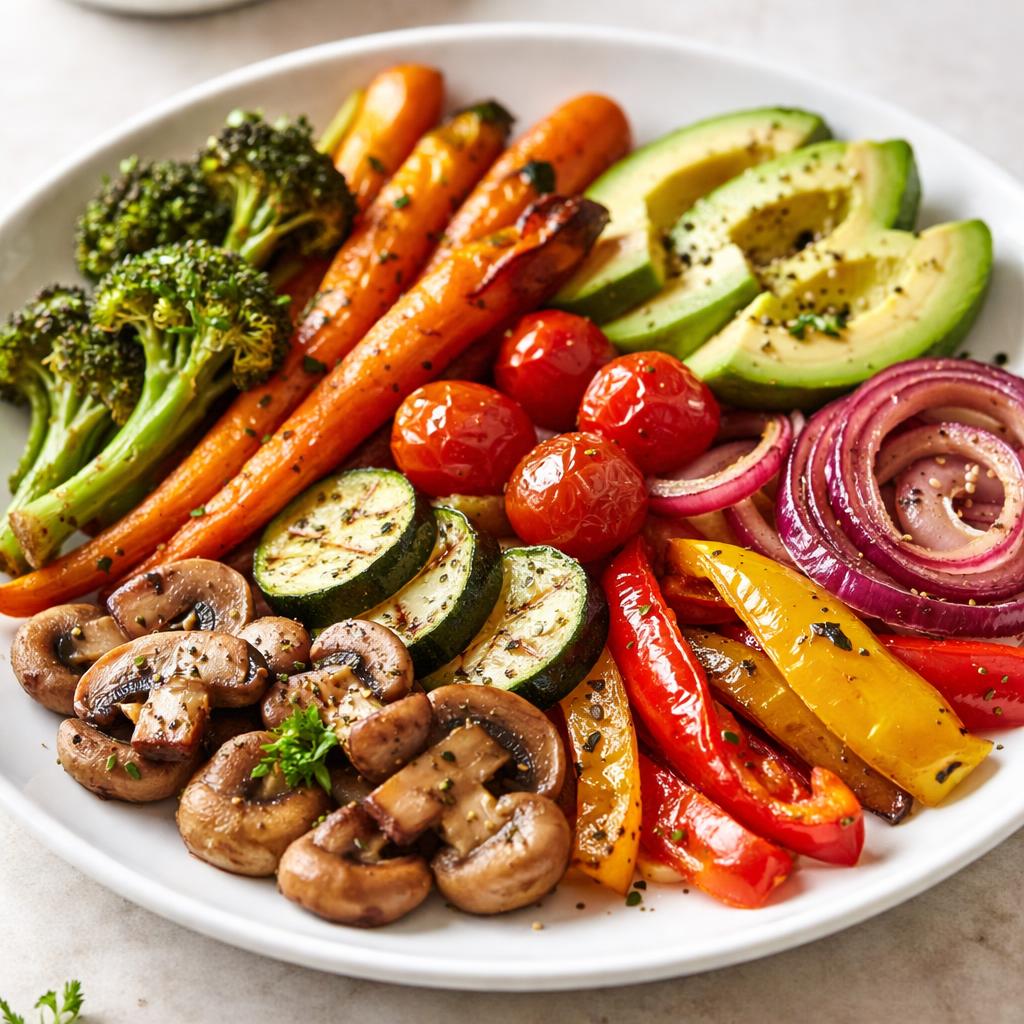
Veggies
🎯 Quick Verdict
Salad (food1) is lower in calories and offers slightly more diverse micronutrient content depending on ingredients, making it great for weight loss diets. Vegetables (food2) typically provide more protein and fiber per serving, which is ideal for digestive health and satiety. Both are nutritious and versatile in meal preparation.

Smart Nutrition Tracking with SnapCalorie

📊 Nutritional Comparison
Macronutrients
| Nutrient | Food 1 | Food 2 | Winner |
|---|---|---|---|
| Calories | 50 | 80 | ✓ |
| Protein | 2g | 3g | ✓ |
| Carbs | 8g | 10g | ✓ |
| Fat | 0.5g | 0.3g | ✓ |
| Fiber | 1g | 3g | ✓ |
Vitamins & Minerals
| Nutrient | Food 1 | Food 2 | Winner |
|---|---|---|---|
| Vitamin C | 10mg | 20mg | ✓ |
| Vitamin K | 40mcg | 30mcg | ✓ |
| Vitamin A | 1500IU | 2000IU | ✓ |
| Folate | 50mcg | 70mcg | ✓ |
🏆 Category Winners
Protein
Vegetables offer 50% more protein per serving compared to salad.
Fiber
Vegetables contain more than triple the fiber content of salad.
Calories
Salad is significantly lower in calories, ideal for weight management.
Vitamins
Vegetables provide higher levels of key vitamins like Vitamin A and Vitamin C.
🥗 Diet Compatibility
Keto
Food 1: Compatible
Food 2: Compatible
Both are low-carb and fit well into keto diets.
Vegan
Food 1: Compatible
Food 2: Compatible
Both foods are naturally plant-based and vegan-friendly.
Gluten Free
Food 1: Compatible
Food 2: Compatible
Neither salad nor vegetables contain gluten inherently.
Paleo
Food 1: Compatible
Food 2: Compatible
Both align with paleo principles as whole, unprocessed foods.
Low Carb
Food 1: Compatible
Food 2: Compatible
Both are low in carbohydrates and suitable for low-carb diets.
💪 Health Benefits Comparison
Food 1 Benefits
- Low-calorie option for weight management
- Rich in Vitamin K to support bone health
- Provides hydration due to high water content
- Versatile base for nutrient-dense meals
Food 2 Benefits
- High fiber content aids digestion and satiety
- Rich source of antioxidants like Vitamin C
- Supports vision and immunity with Vitamin A
- Contains essential minerals like potassium
✅ The Bottom Line
Both salad and vegetables are highly nutritious and contribute to a healthy diet. Choose salad when focusing on calorie-conscious meals or as a versatile base for nutrient additions. Pick vegetables when seeking more fiber, protein, and vitamin content for overall health and satiety.
Choose Food 1 for: Weight management, light meals, customizable nutrient-dense dishes
Choose Food 2 for: Digestive health, nutrient-dense meals, sustained satiety


