Salad VS Turkey Bacon
A detailed nutritional comparison
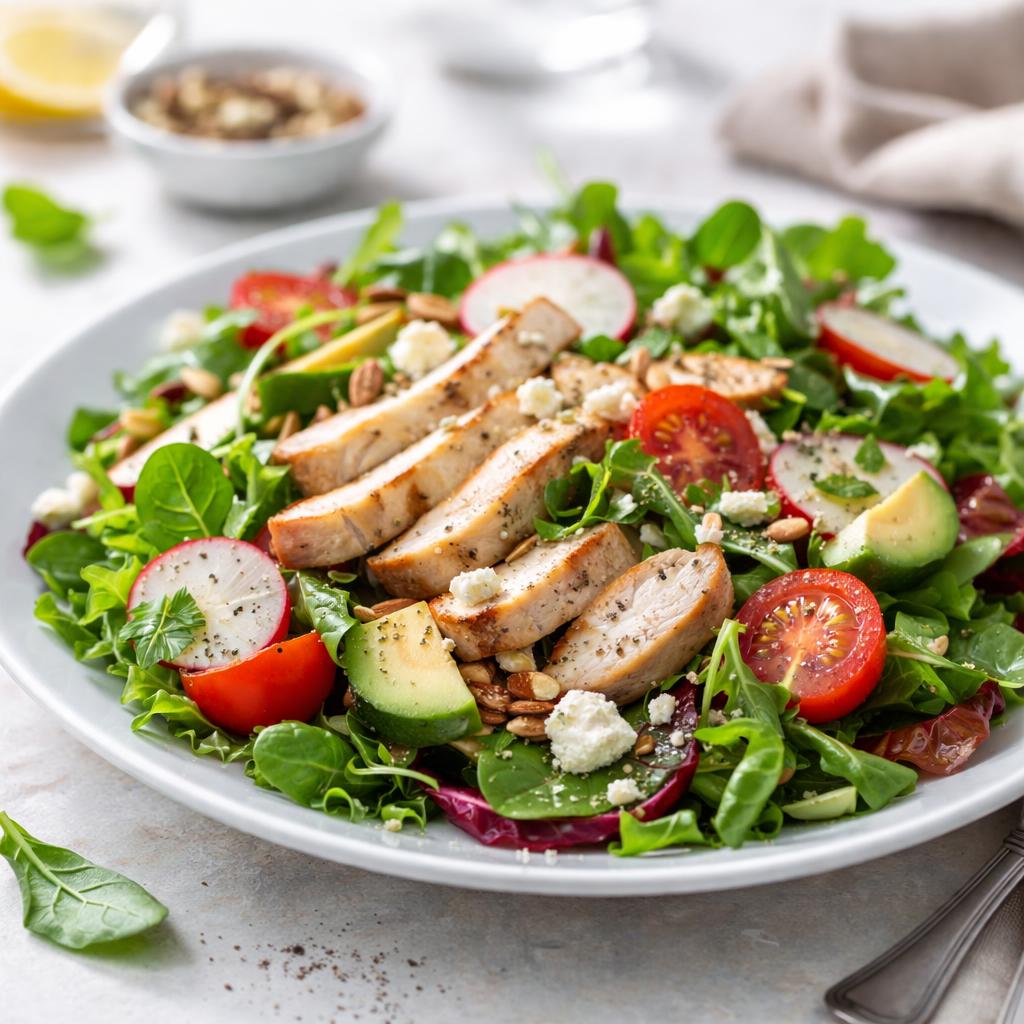
Salad
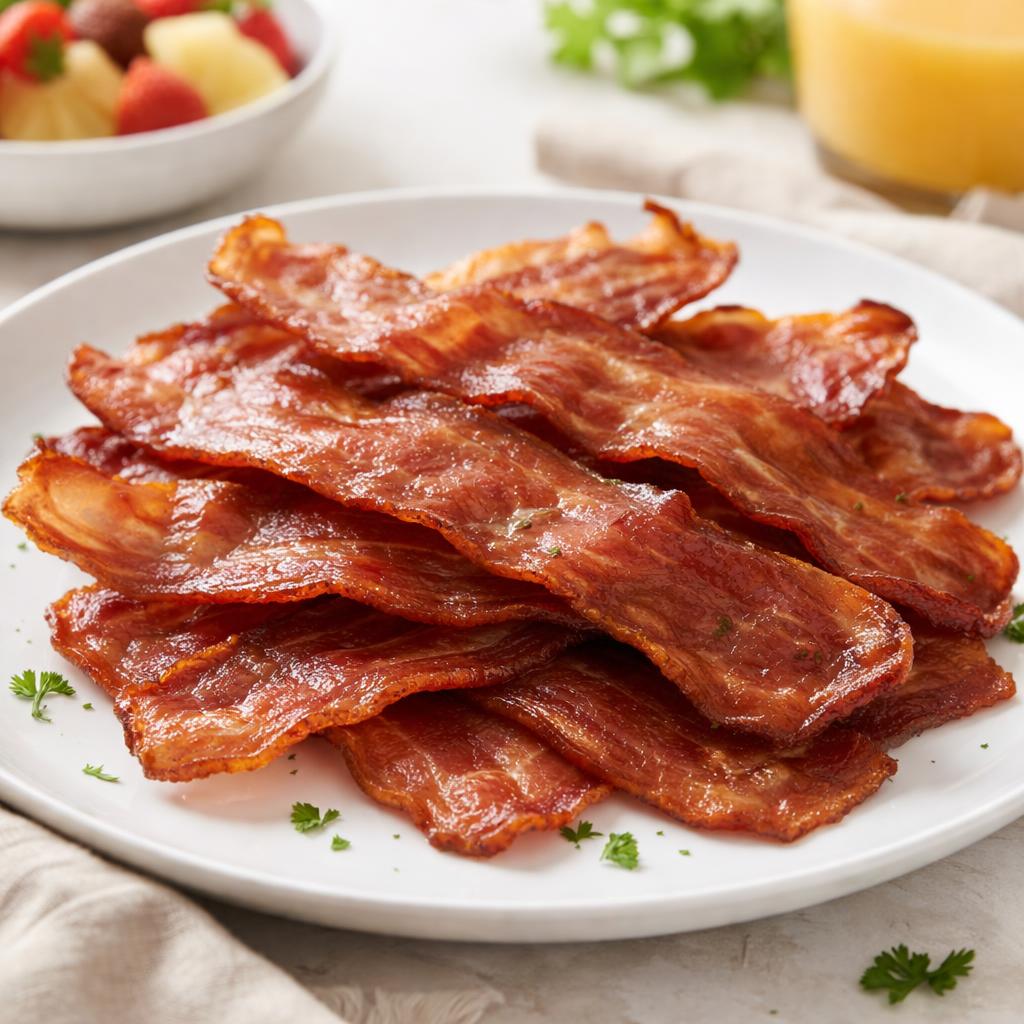
Turkey Bacon
🎯 Quick Verdict
Salad is a low-calorie, high-fiber food ideal for weight loss and gut health, while turkey bacon is protein-rich and better suited for muscle maintenance diets. Salad is plant-based and nutrient-dense, whereas turkey bacon is animal-based with moderate sodium content. Both have unique benefits depending on dietary goals.

Smart Nutrition Tracking with SnapCalorie

📊 Nutritional Comparison
Macronutrients
| Nutrient | Food 1 | Food 2 | Winner |
|---|---|---|---|
| Calories | 30 | 60 | ✓ |
| Protein | 1g | 5g | ✓ |
| Carbs | 7g | 0g | ✓ |
| Fat | 0g | 4g | ✓ |
| Fiber | 2g | 0g | ✓ |
Vitamins & Minerals
| Nutrient | Food 1 | Food 2 | Winner |
|---|---|---|---|
| Vitamin A | 1500 IU | 0 IU | ✓ |
| Vitamin C | 9mg | 0mg | ✓ |
| Vitamin D | 0 IU | 25 IU | ✓ |
| Iron | 0.7mg | 0.5mg | ✓ |
| Sodium | 25mg | 250mg | ✓ |
🏆 Category Winners
Protein
Turkey bacon contains 5g of protein per serving compared to only 1g in salad.
Fiber
Salad provides 2g of fiber, while turkey bacon has none.
Calories
Salad is extremely low-calorie at just 30 calories per serving compared to 60 in turkey bacon.
Vitamins
Salad delivers significantly more vitamins A and C, beneficial for immune and eye health.
🥗 Diet Compatibility
Keto
Food 1: Compatible
Food 2: Compatible
Turkey bacon is very low carb, and salad is naturally low-carb.
Vegan
Food 1: Compatible
Food 2: Not Compatible
Salad is plant-based, whereas turkey bacon is animal-derived.
Gluten Free
Food 1: Compatible
Food 2: Compatible
Both foods are naturally gluten-free.
Paleo
Food 1: Compatible
Food 2: Compatible
Both foods align with paleo principles.
Low Carb
Food 1: Compatible
Food 2: Compatible
Both foods have very low carbohydrate content.
💪 Health Benefits Comparison
Food 1 Benefits
- Rich in fiber for digestive health
- Contains vitamin A for eye health
- Provides vitamin C for immune system support
- Low calorie for weight loss-friendly meals
Food 2 Benefits
- High protein for muscle repair and growth
- Low carb, making it suitable for keto diets
- Provides vitamin D for bone health
- Contains healthy fats promoting satiety
✅ The Bottom Line
Choose salad when focusing on weight loss, fiber intake, and consuming nutrient-dense plant-based meals. Opt for turkey bacon when seeking a protein boost, especially in a low-carb or high-protein diet setting. Both are excellent choices depending on individual goals and dietary preferences.
Choose Food 1 for: Low-calorie meals, plant-based diets, digestive health
Choose Food 2 for: Keto-friendly meals, high-protein diets, post-workout recovery


